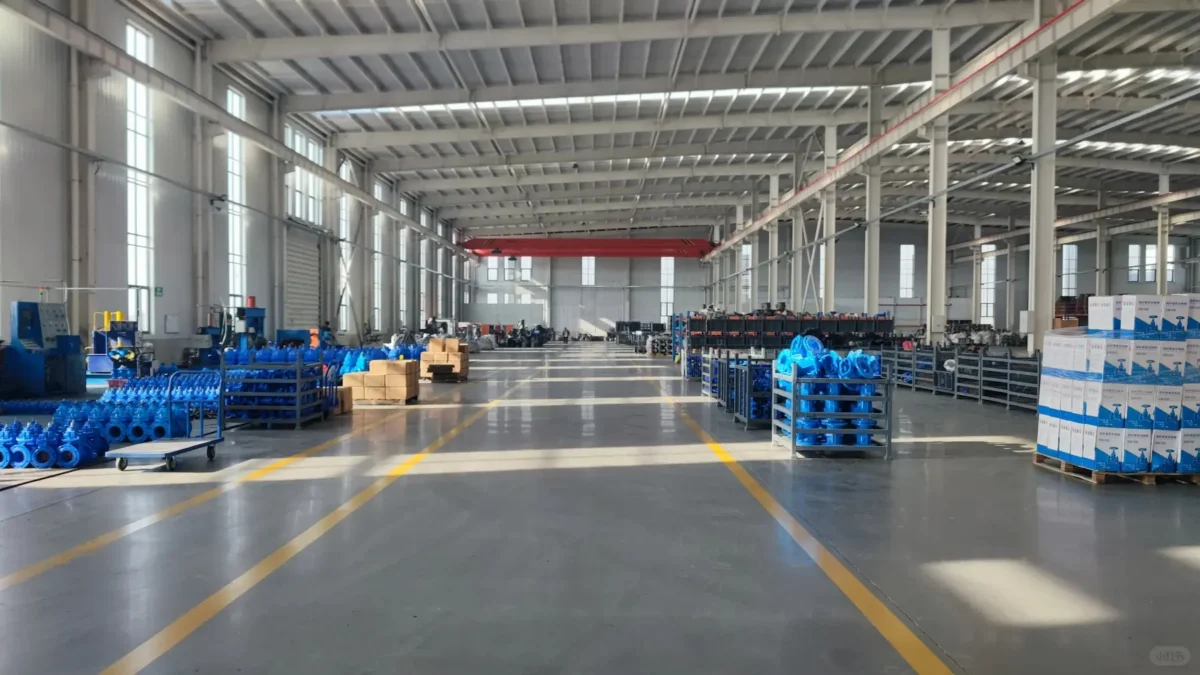
Water & Wastewater Applications
Water & Wastewater Valve Solutions — Isolation, Pump Protection & Process Control
Valve options for raw-water intake, treatment processes, pumping, distribution, wastewater handling and sludge-transfer systems. Share the process stage, actual medium, solids data, pressure conditions, installation and project specification for a configuration review by zpvevlave.

Common Water & Wastewater Valve Applications
Six project locations where valve duty should be reviewed against the actual medium, solids data, chemical exposure, pressure conditions and installation.

Raw-Water Intake & Wastewater Headworks
Isolate and control influent at intake works, screens, channels and headworks before downstream treatment.

Coagulation, Sedimentation & Clarifiers
Control and isolate process lines serving chemical dosing, clarification and settled-water transfer.

Filtration, Backwash & Disinfection
Manage filter isolation, backwash cycles and lines exposed to disinfectants or treatment chemicals.

Pump Stations, Force Mains & Distribution
Combine isolation and backflow protection around pumps, rising mains and clean-water distribution lines.

Biological Treatment & Secondary Clarifiers
Review valve duty on aeration, recirculation and secondary-treatment pipework against actual process conditions.

Sludge Thickening, Digestion & Dewatering
Assess solids concentration, fibres, grit, viscosity and operating cycle before selecting the flow path and actuation.
Service Conditions That Drive Valve Selection
The actual water or wastewater stream—not the industry label—defines the valve configuration.
Solids, Fibres & Sludge Concentration
Use total suspended solids (TSS) for liquid streams and total solids (%) for sludge. Include fibres, rags, viscosity and settling behaviour.
Grit, Sand & Abrasive Particles
Particle concentration, size, hardness and velocity affect wear at the disc, seat and other wetted surfaces.

H₂S, pH, Chlorides & Treatment Chemicals
Confirm sulfide exposure, pH, chlorides, chemical concentration, temperature and contact time before material and lining review.
Pressure, Surge, Air & Operating Cycle
Minimum, normal and maximum flow, pressure, pump starts, close time and line profile influence check, air and actuation requirements.
Valve Categories for Common Water & Wastewater Duties
Clean-Water Isolation
For on/off isolation in raw-water intake, treated-water, utility and distribution lines.
View Valve Categories ···
Wastewater & Sludge Isolation
For screened wastewater and sludge duties where solids and fibres are compatible with the selected flow path.
View Valve Categories ···
Pump Discharge & Backflow Prevention
For protecting pumps and connected pipework from reverse flow at pump stations and force mains.
View Check Valves ···
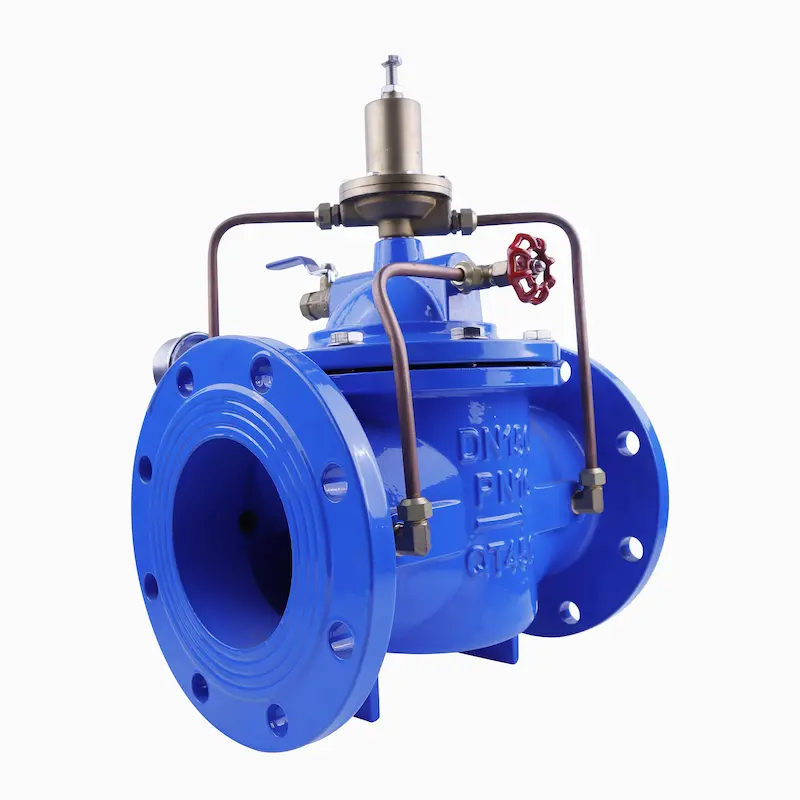
Pressure, Flow & Level Control
For modulating duty in adequately screened or clean process streams where isolation alone is not enough.
View Valve Categories ···
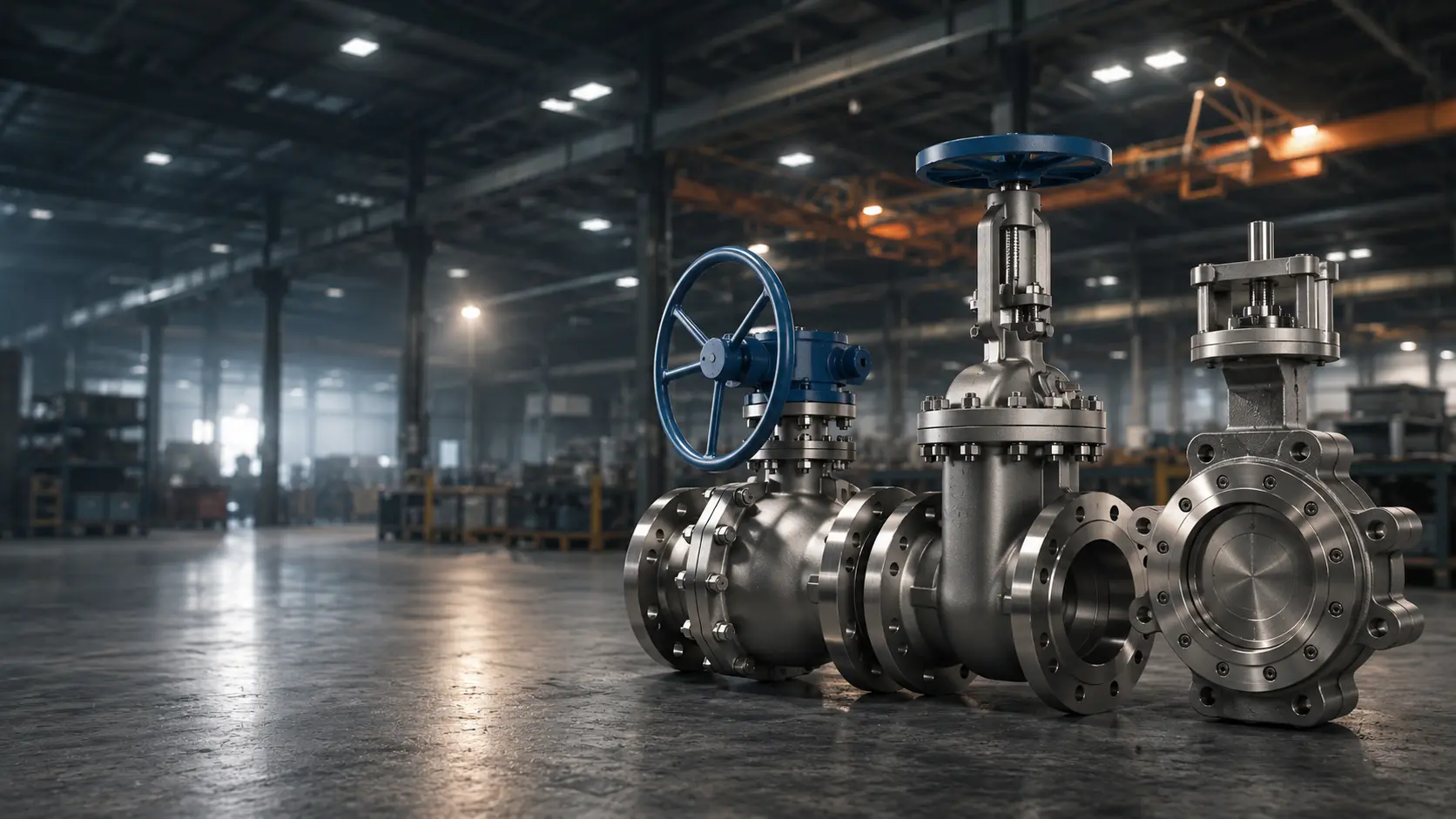
Valve Manufacturing, Testing & Technical Support
Industrial Valve Manufacturing For Water & Wastewater Projects
zpvevlave supports water-treatment, wastewater and pumping projects with butterfly, ball, gate, globe, check and hydraulic control valve categories.
Each confirmed valve configuration is reviewed against the stated process stage, actual medium, solids information, service pressure, connection, operation and documentation requirements. zpvevlave supports EPC contractors, distributors and procurement teams with technical information and quotation support based on confirmed project requirements.
Valve Configuration
Valve type, materials, connection and actuation reviewed against the confirmed water or wastewater service conditions.
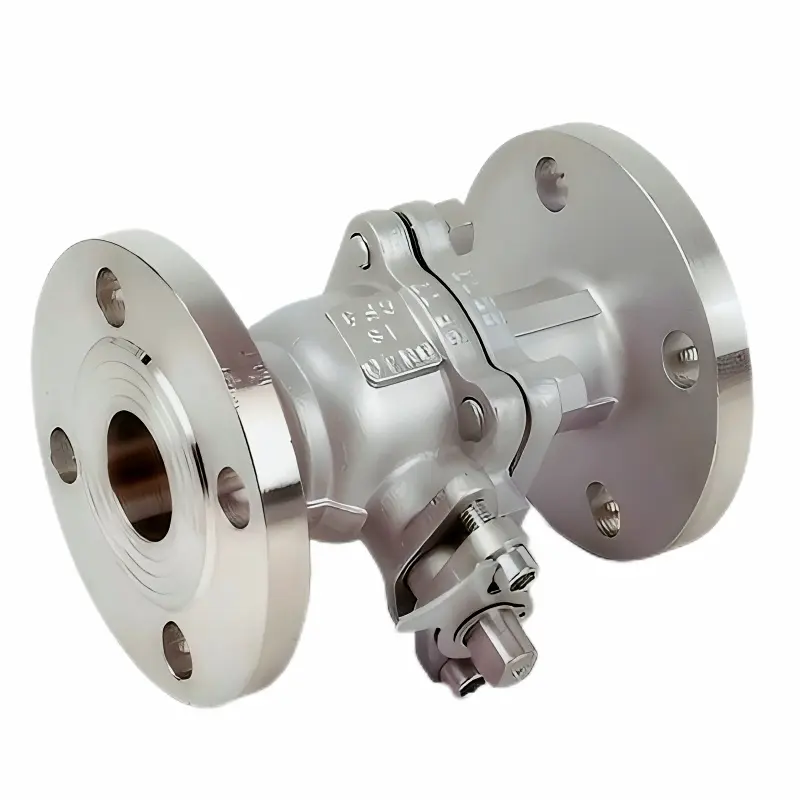
Inspection & Testing
Selected valves undergo the relevant material, dimensional, assembly and pressure-test checks.
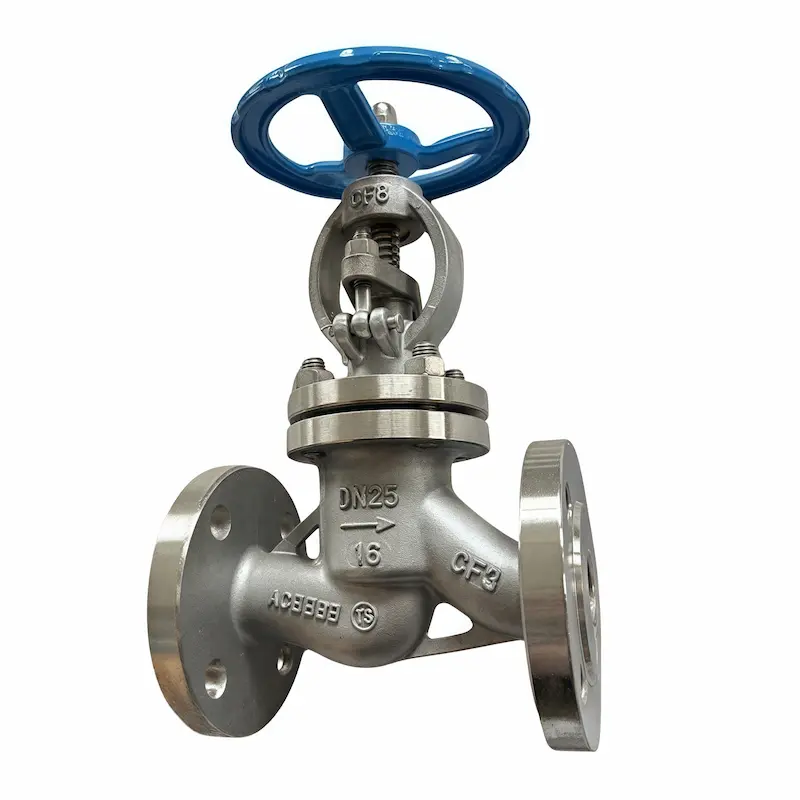
Valve Product Range
Butterfly, ball, gate, globe, check and hydraulic control valves for water and wastewater pipeline duties.
Project Support
Technical information, product selection and quotation support for EPC, distributor and procurement teams.