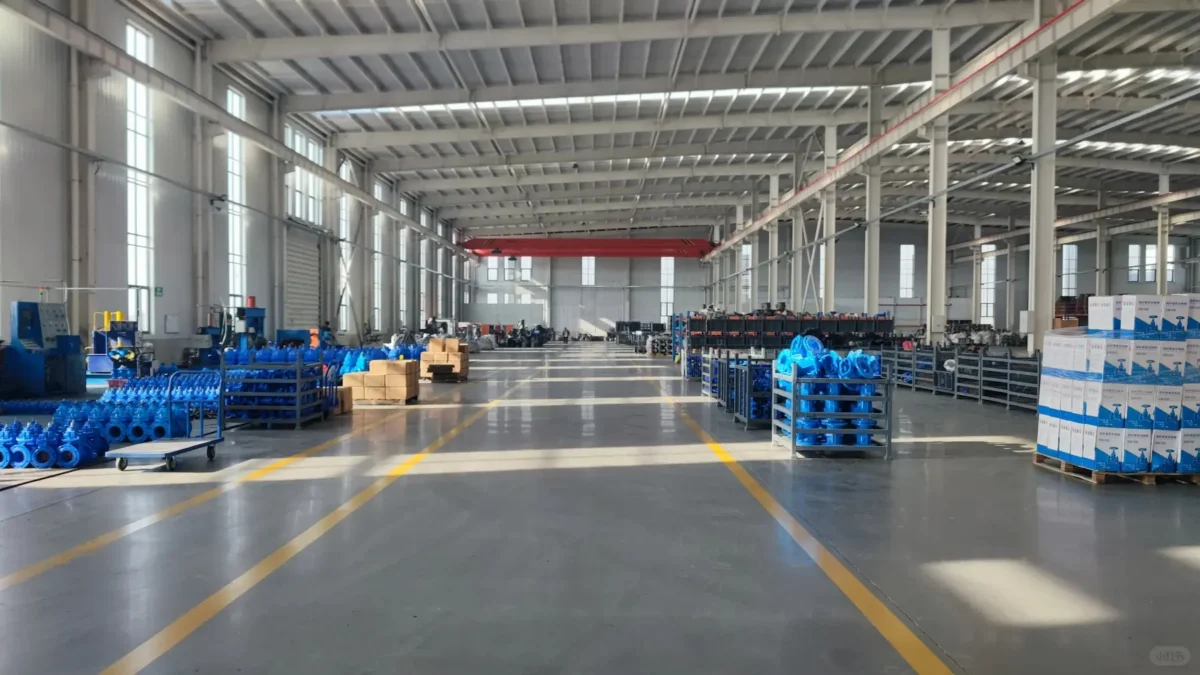
Chemical & Petrochemical Applications
Chemical & Petrochemical Valve Solutions — Material Compatibility, Process Isolation & Flow Control
Valve options for chemical processing, petrochemical production, storage and utility systems. Share the complete medium composition, concentration, pressure–temperature conditions, valve duty and project specification for a configuration review by zpvevlave.

Common Chemical & Petrochemical Valve Applications
Six common process locations where valve duty should be reviewed against the complete chemical composition, pressure-temperature conditions, operating cycle and project specification.

Raw-Material & Feed Lines
Isolate and regulate raw materials, monomers, catalysts and other process feeds between storage, preparation systems and production equipment.

Reactor Inlet & Outlet Lines
Support feed isolation, reactor isolation, cooling connections and product transfer around batch or continuous reaction systems.

Distillation & Separation Trains
Control and isolate feed, reflux, bottoms and product lines around distillation columns and connected separation equipment.

Heat Exchangers & Utility Lines
Isolate and regulate process fluids, steam, condensate, cooling water and thermal services connected to heat-transfer equipment.

Pump & Compressor Process Lines
Provide equipment isolation and reverse-flow protection on suction, discharge and connected process lines.

Storage Tanks, Manifolds & Loading Lines
Control tank connections, transfer manifolds and loading or unloading lines for raw materials, intermediates and finished products.
Service Conditions That Drive Chemical Valve Selection
The full chemical composition and operating envelope—not the general industry label—define the valve configuration.
Chemical Composition & Concentration
Confirm the chemical name, concentration, water content, contaminants, phase and temperature before reviewing wetted materials.
Volatile & Toxic Media
Define external-leakage criteria, stem sealing, body-joint requirements and inspection scope for hazardous process media.

Solids, Viscosity & Polymerization
Suspended solids, catalyst residue, viscosity, crystallization and polymer build-up affect valve cavities, seats, torque and operating cycles.
Pressure, Temperature & Operating Cycle
Inlet and outlet pressure, flow rate, vapor pressure, temperature and cycling frequency determine sizing, sealing and actuation requirements.
Valve Categories for Common Chemical & Petrochemical Duties
Process & Reactor Isolation
For on/off isolation around reactors, process equipment and connected chemical process lines.
View Valve Categories ···
Tank & Transfer Isolation
For tank connections, transfer manifolds and loading or unloading lines handling raw materials, intermediates and finished products.
View Valve Categories ···
Flow & Temperature Regulation
For controlled process, utility and heat-transfer duties where simple on/off isolation is not enough.
View Globe Valves ···
Reverse-Flow Prevention
For protecting pumps, compressors and connected process equipment from reverse flow in chemical process and utility lines.
View Check Valves ···
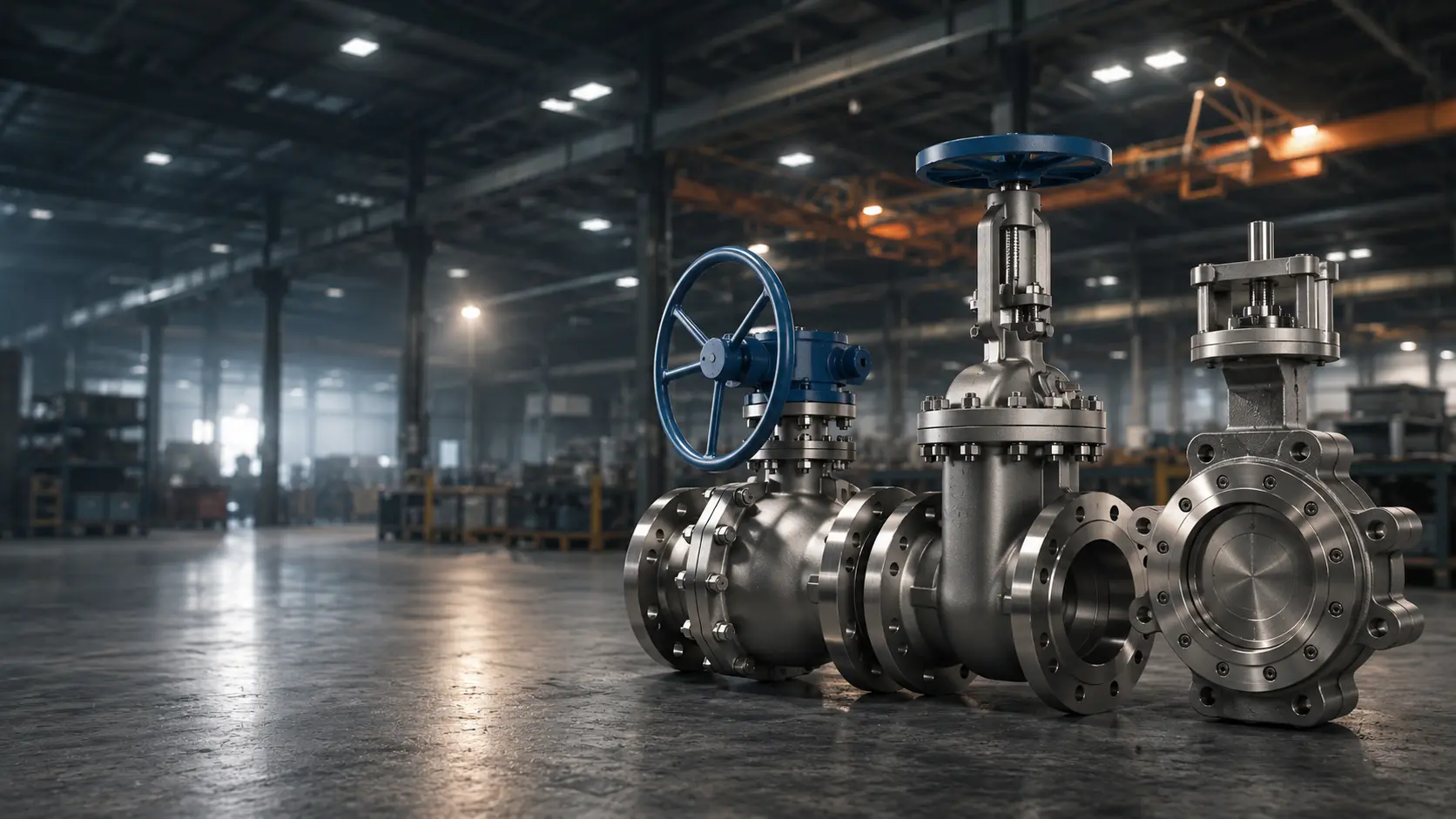
Valve Manufacturing, Testing & Technical Support
Industrial Valve Manufacturing For Chemical & Petrochemical Projects
zpvevlave is an industrial valve manufacturer supporting chemical, petrochemical and process-pipeline projects. Our product range covers butterfly, ball, gate, globe, check and hydraulic control valve categories.
Each confirmed valve configuration connects project specifications, material requirements, inspection criteria and technical records. zpvevlave supports EPC contractors, distributors and procurement teams with product selection, technical information and quotation support based on confirmed project requirements.
Valve Configuration
Valve type, material, connection and actuation reviewed against the confirmed service conditions and project requirements.
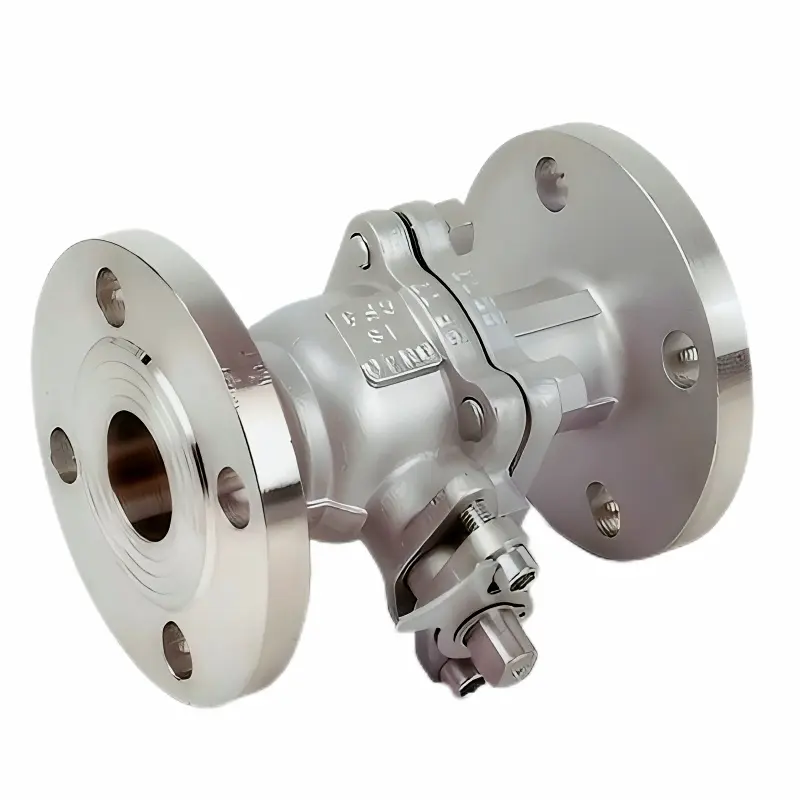
Inspection & Testing
Selected valves undergo the relevant material, dimensional, assembly and pressure-test checks.
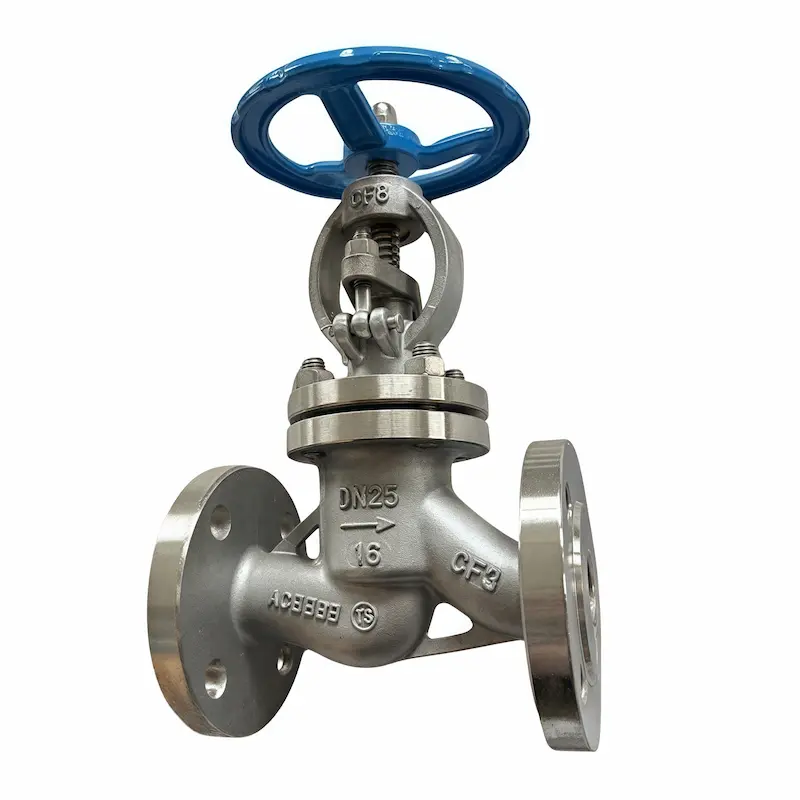
Valve Product Range
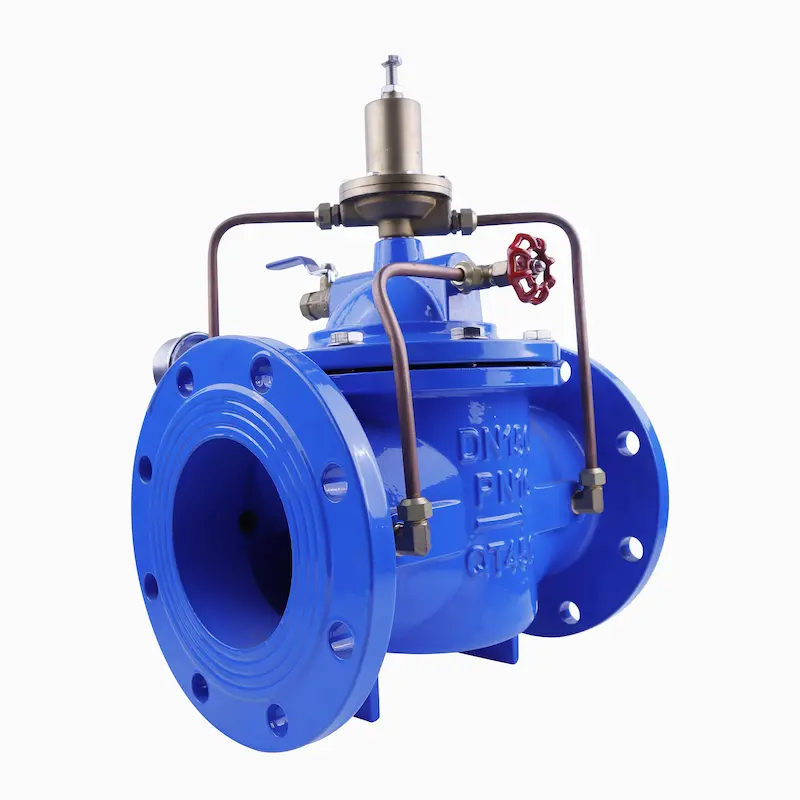
Butterfly, ball, gate, globe, check and hydraulic control valves for chemical, petrochemical and industrial pipeline duties.
Project Support
Technical information, product selection and quotation support for EPC, distributor and procurement teams.