
Pharma & Biotech Applications
Pharma & Biotech Valve Solutions — Clean Utilities, Hygienic Transfer & Process Control
Valve configuration review for purified-water and WFI loops, CIP/SIP circuits, clean steam, media and buffer transfer, bioreactor support and downstream process systems. Share the service classification, process medium, cleaning or sterilization cycle, pressure–temperature conditions and project specification for review by zpvevlave.
Common Pharma & Biotech Valve Applications
Six common application areas where valve configuration should be reviewed against product-contact classification, cleaning or sterilization cycles, drainability, wetted materials and project requirements.
Purified Water & WFI Distribution
Manage loop isolation and point-of-use routing where product-contact surfaces, drainability and dead-leg control require review.
CIP/SIP Supply & Return
Route cleaning solutions, steam and return media through circuits exposed to chemical cleaning and repeated thermal cycles.
Media & Buffer Preparation
Support vessel isolation, ingredient transfer and utility connections around media and buffer preparation systems.
Bioreactors & Fermentation
Handle process feeds, gas and liquid utilities, sampling connections and harvest lines around bioreactor systems.
Filtration & Chromatography Skids
Direct product, buffer and cleaning flows through downstream separation equipment while controlling hold-up and cross-contamination risks.
Formulation & Aseptic Filling
Support final formulation, batch transfer and equipment isolation where aseptic classification and cleanability must be confirmed.
Service Conditions That Drive Valve Selection
The actual service classification—not the “pharma” label—defines the valve configuration.
Product-Contact & Aseptic Classification
Confirm whether the valve is product-contact, part of a sterile boundary or limited to a non-product utility before reviewing its construction.
Drainability, Dead Legs & Hold-Up
Valve geometry, installation orientation and branch layout influence retained liquid, cleaning coverage and contamination risk.
CIP/SIP Chemical & Thermal Cycling
Cleaning agents, concentration, temperature, steam conditions and cycle frequency affect material and seal compatibility.
Wetted Materials, Surface Finish & Seals
Process-medium compatibility, required surface condition and seal specification must be confirmed for the intended service.
Valve Categories for Pharma & Biotech Duties
Non-Product Utility Isolation
For on/off isolation in cooling-water, compressed-air and other non-product utility lines.
View Valve Categories ···
PW/WFI & CIP Loop Isolation
For isolating distribution loops and cleaning circuits where drainability and hygienic configuration require project review.
Request Configuration Review ···
Flow & Temperature Control
For regulating flow or temperature in non-product utilities and project-reviewed process services.
View Globe Valves ···
Backflow Prevention
For preventing reverse flow in utility systems; product-contact and hygienic loops require a separately reviewed configuration.
View Check Valves ···
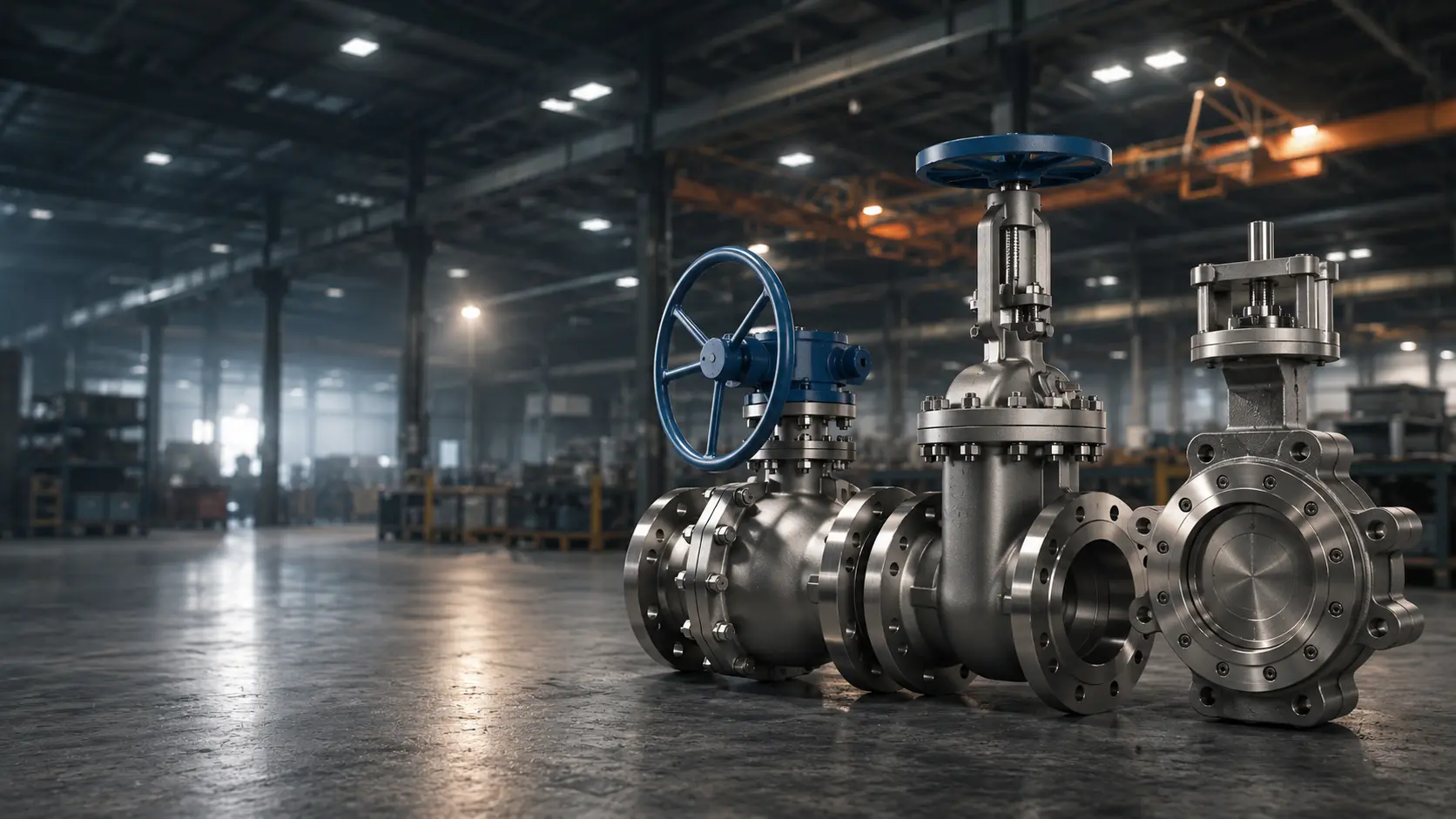
Valve Manufacturing, Testing & Technical Support
Industrial Valve Support For Pharma & Biotech Projects
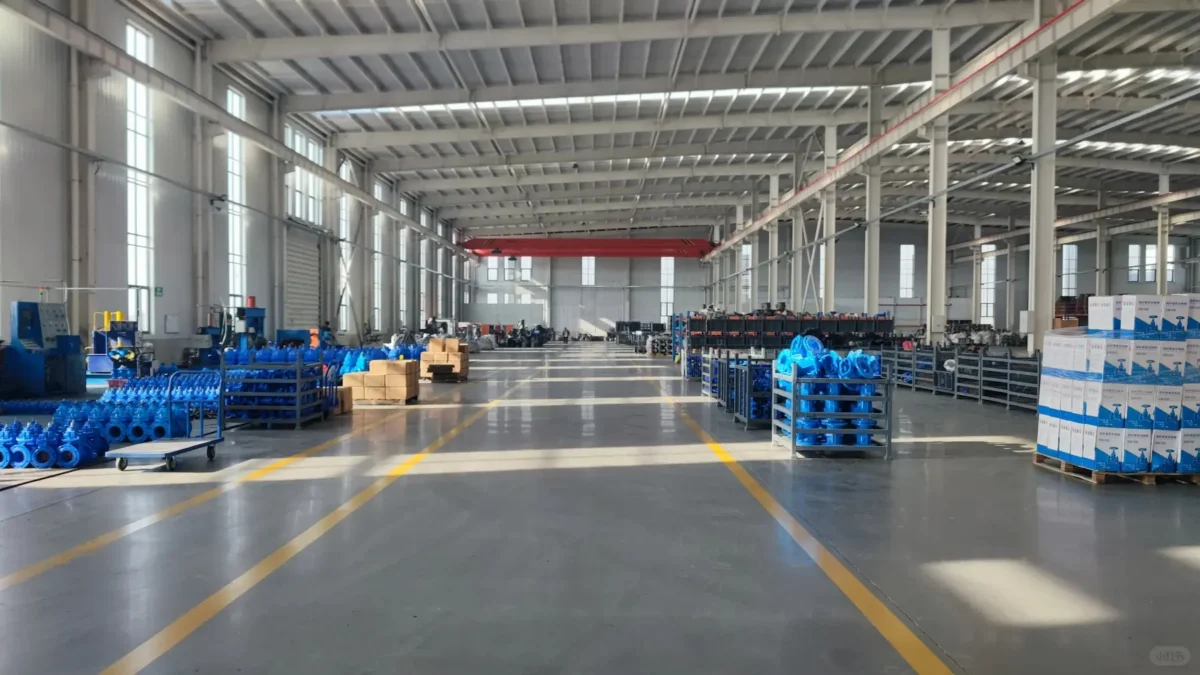
zpvevlave is an industrial valve manufacturer supporting waterworks, utility and process-pipeline projects. For pharmaceutical and biotechnology facilities, our butterfly, ball, gate, globe, check and hydraulic control valve categories can be reviewed for non-product utilities and other project-specified duties.
Product-contact, hygienic and aseptic services require separate confirmation against the project specification. Each valve review connects the service classification, process medium, wetted materials, seals, end connections, cleaning or sterilization conditions, inspection scope and required technical records.
Project Requirements Review
Service classification, medium, operating conditions, connections and actuation reviewed against the submitted project requirements.
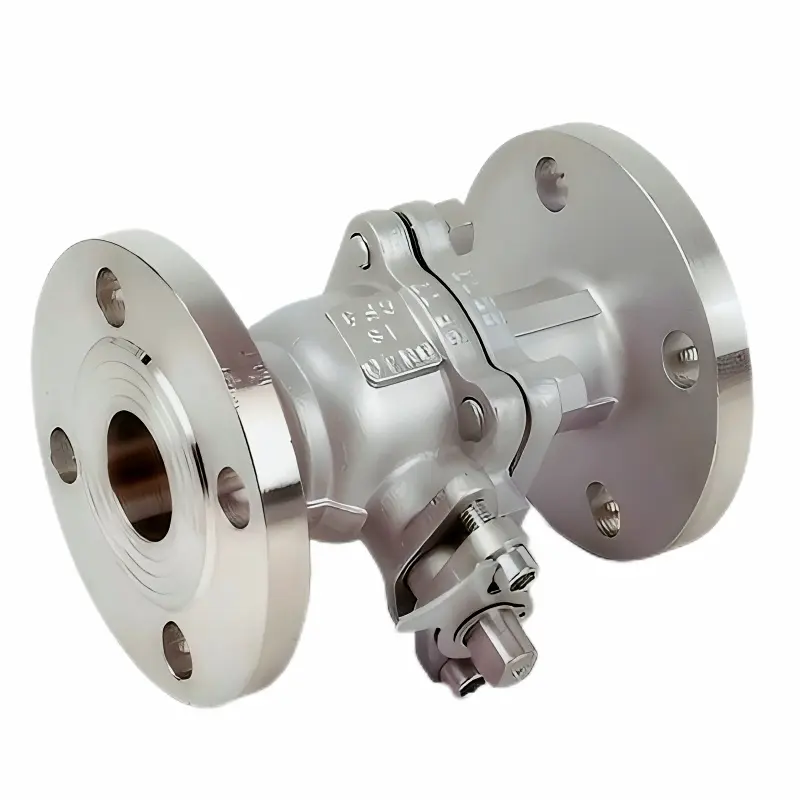
Inspection & Testing
Confirmed valves undergo the applicable material, dimensional, assembly, operational and pressure-test checks.
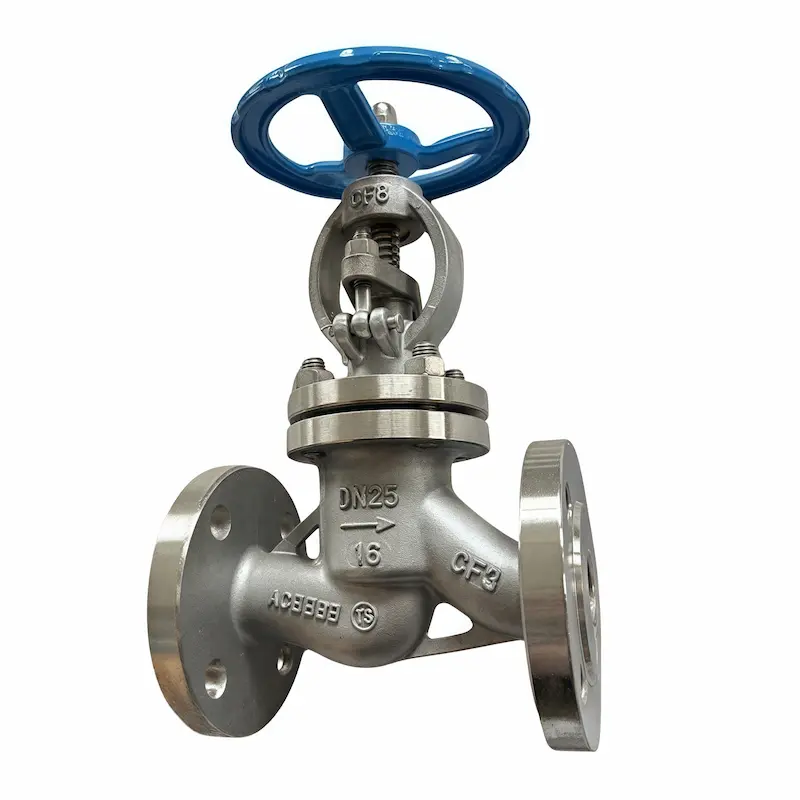
Industrial Valve Range
Butterfly, ball, gate, globe, check and hydraulic control valves for utility and project-confirmed process duties.
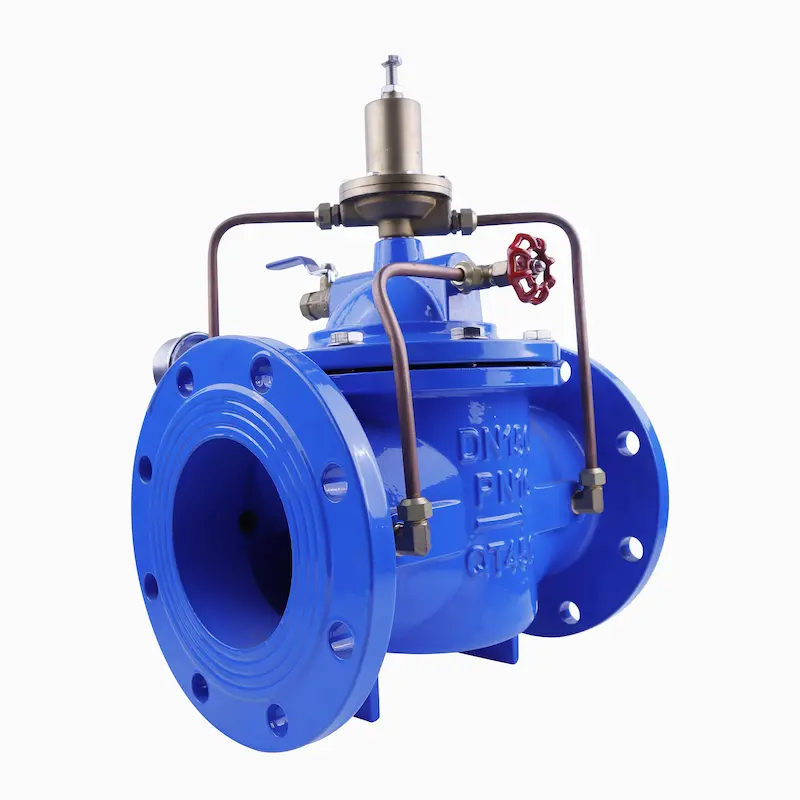
Documentation & Quotation Support
Available technical information, inspection records and quotation details coordinated around the confirmed valve configuration.
01 What information should I send for a pharma or biotech valve quotation?
Send the service classification, product-contact status, process medium, valve duty, size or required flow, operating and design pressure-temperature conditions, end connection, wetted material, seal requirements, actuation and document scope. For cleaned or sterilized systems, include the CIP/SIP conditions. Attach the URS, P&ID, valve schedule or datasheet when available so missing and conflicting requirements can be identified before quotation.
02 Can a standard stainless steel ball or butterfly valve be used in a product-contact line?
Stainless steel alone does not make a valve suitable for product-contact service. The review must also cover internal geometry, cavities and crevices, drainability, wetted-surface condition, seal materials, end connections, cleanability and the required hygienic or aseptic classification. A standard industrial valve should therefore not be substituted into a product-contact line only because its body material appears to match the piping specification.
03 What is the difference between a hygienic valve and an aseptic valve?
A hygienic valve is selected around cleanability, drainability and control of product-retaining spaces. An aseptic valve must additionally support the sterile boundary and the specified sterilization conditions. The terms should not be treated as interchangeable. The required category depends on the contamination risk, process stage, cleaning or sterilization method and the governing project specification.
04 Does FDA require every WFI valve to be manufactured from 316L stainless steel?
FDA guidance does not prescribe 316L as the only acceptable material for WFI equipment. Product-contact surfaces must be suitable for the intended service and must not react with, add to or absorb from the process material in a way that affects product quality. Material selection should therefore follow the URS, water chemistry, sanitization method, temperature-pressure conditions and required documentation. If the project specifies 316L, the grade and material records should be confirmed before ordering.
05 Which CIP and SIP details are needed before selecting valve seals and materials?
Provide each cleaning chemical, concentration, maximum temperature, contact time and cycle frequency. For SIP, include the steam temperature, pressure, duration and expected number of cycles. Also identify whether the valve is operated during the cycle and whether cleaning media can remain trapped after draining. These conditions must be reviewed together because a seal that is compatible with the process fluid may not be suitable for repeated chemical or thermal cycling.
06 How should valve drainability and dead-leg risk be reviewed?
Review the valve together with the installed piping arrangement. The P&ID and layout should identify flow direction, branch geometry, connection position, valve orientation, low points and instrument branches. The valve body, seat area and connected fittings should then be checked for liquid hold-up. Meeting a branch-length target does not by itself prove that the complete installed assembly will drain or clean effectively.
07 Which valve documents should be agreed before a pharmaceutical project order?
Agree the document scope during technical review rather than after manufacturing. Depending on the confirmed project requirements, this may include approved datasheets and drawings, material information, inspection and pressure-test records, seal information and any specified surface-condition records. Witness points, third-party inspection and certificate requirements should also be stated before the purchase order is released.
08 Can zpvevlave review our URS, P&ID or valve schedule before quotation?
Yes. Send the available URS, P&ID, valve schedule, datasheet or marked specification. zpvevlave can review the stated duty, industrial valve category, materials, connections, actuation, testing and document requirements, then identify parameters requiring confirmation. Any hygienic, aseptic, surface-finish or certification requirement must be supported by the confirmed valve configuration and included explicitly in the technical quotation.
Request a quote
Request a Valve Quotation
Send us the medium, size and pressure for your project. Our engineers reply with a valve recommendation, a datasheet and a quotation.
- Quote within 24 hours for standard items, three working days for custom specifications
- Factory-direct pricing, with no trading company margin
- Non-standard sizes, materials and end connections accepted
- Third-party inspection welcome before shipment
Prefer email or WhatsApp? lucas@zpvevlave.com · +86 182 0323 5561