Pulp & Paper Applications
Pulp & Paper Valve Solutions — Stock Handling, Chemical Service & Steam Control
Valve configuration options for pulp preparation, cooking and washing, bleaching, chemical recovery, paper machines and mill utility systems. Share the stock consistency or chemical composition, pressure–temperature conditions and project specifications for review by zpvevlave.

Common Pulp & Paper Valve Applications
Stock Preparation & Pulp Transfer
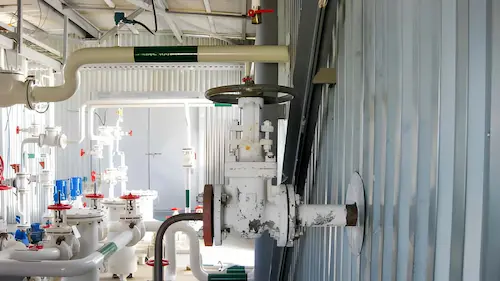
Isolate or control stock between repulpers, stock chests, refiners and transfer pumps. Confirm stock consistency, pulp type, contaminants, flow range and flushing arrangements.
Digesters, Blow Lines & Washing
Review cooking liquor, steam, cooked pulp and black-liquor filtrate around digesters, blow tanks, washers and screening systems for chemical pulp mill duties.
Bleaching & Oxygen Delignification
Isolate or control pulp, wash liquor and bleaching chemicals through reaction, washing and storage stages. Review chemical concentration, pH, chloride and temperature.
Chemical Recovery & Recausticizing
Review weak and strong black liquor, green liquor, white liquor, lime mud and wash streams where Kraft chemical recovery is used. Confirm solids, temperature and scaling tendency.
Paper Machine & Approach Flow
Control thin stock, dilution water, whitewater, fillers, additives, headbox feed, basis-weight adjustment and broke-return systems under defined flow and differential-pressure conditions.
Steam, Utilities & Effluent
Control dryer steam and condensate, and provide isolation or backflow protection in mill water, cooling water, vacuum, pump and effluent lines.
Service Conditions That Drive Pulp & Paper Valve Selection
The process stream—not the mill label—defines the valve configuration.
Stock Consistency, Pulp Type & Contaminants
Fiber concentration, pulp type, velocity and entrained debris affect dewatering, plugging risk, flow passage, control sizing and operating torque.
Liquor Solids, Temperature & Scaling
Black-liquor viscosity and scaling tendency increase as dry solids rise. Confirm weak or strong liquor, solids, temperature, phase and flushing requirements.
Bleaching Chemistry & Corrosion
Confirm the bleaching chemical, concentration, residual oxidizer, chloride level, pH and maximum temperature before reviewing wetted materials.
Differential Pressure, Cycling & Cleaning
Differential pressure, operating range, cycle frequency, shutoff direction and boil-out chemistry affect sizing, actuation, sealing and compatibility.
Valve Categories for Common Pulp & Paper Duties
Fibrous Stock Isolation
For repulpers, stock chests, broke systems and pulp-transfer lines where fiber passage, dewatering and buildup risk must be reviewed before valve selection.
View Valve Categories ···
Stock & Basis-Weight Control
For thin-stock, dilution, approach-flow and headbox duties where stable modulation is required across the actual minimum-to-maximum operating flow range.
View Valve Categories ···
Chemical & Liquor Isolation
For cooking liquor, bleaching chemicals, black liquor, green liquor, white liquor and wash lines after the exact process medium and its chemistry are confirmed.
View Globe Valves ···
Steam, Water & Pump Protection
For dryer steam and condensate, mill water, cooling-water, vacuum, pump and effluent systems requiring control, isolation or reverse-flow protection.
View Check Valves ···
Valve Manufacturing, Testing & Technical Support
Industrial Valve Manufacturing For Pulp & Paper Process Systems
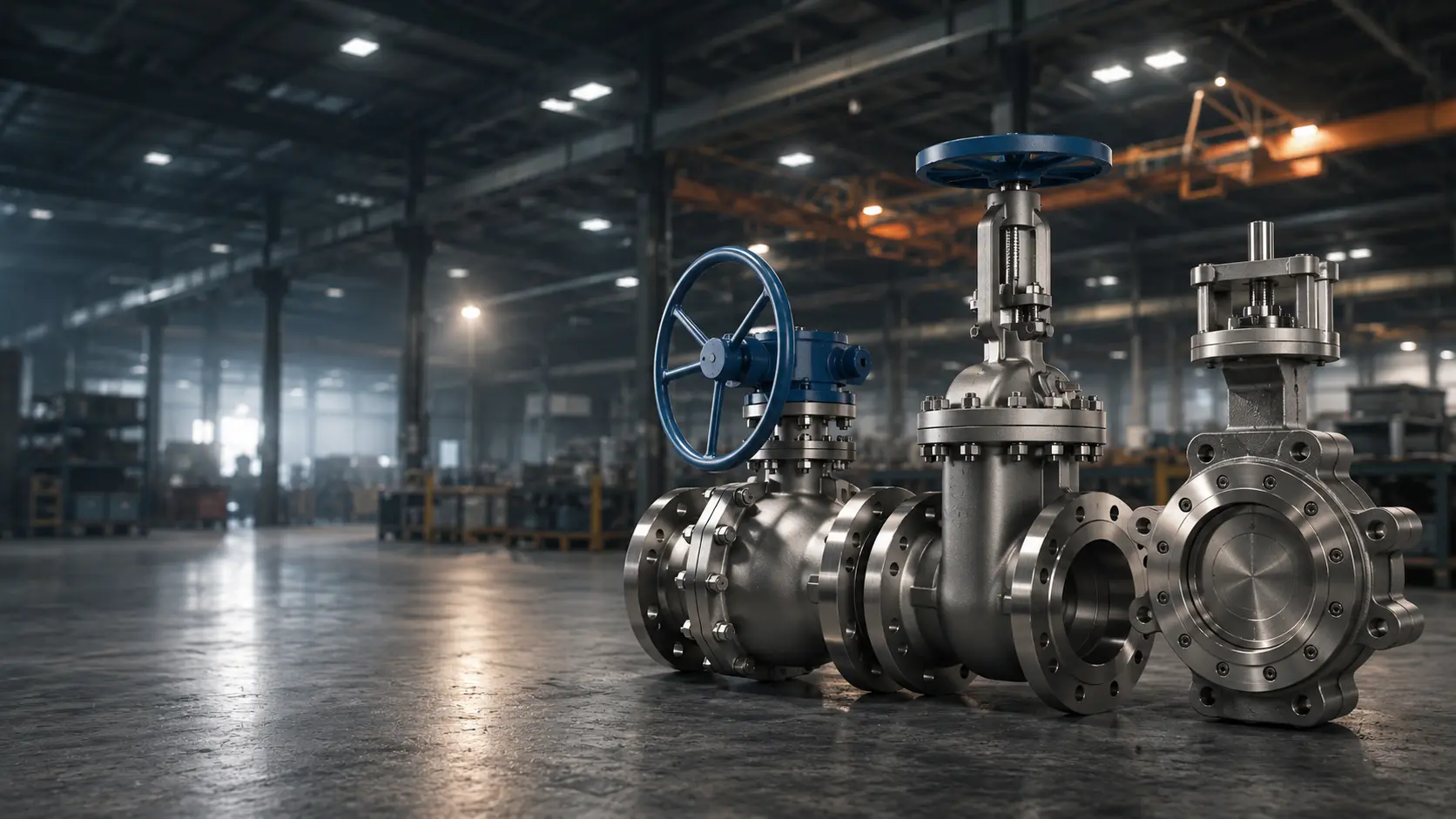
zpvevlave supports industrial valve projects across stock preparation, pulp production, paper-machine and mill-utility systems. The documented product scope includes gate, globe, ball, butterfly, control, check, slurry and related flow-control valve categories.
Each confirmed valve configuration connects project specifications, material requirements, inspection criteria and technical records. zpvevlave supports EPC contractors, distributors and procurement teams with product selection, technical information and quotation support based on confirmed project requirements.
Valve Configuration
Valve type, material, connection and actuation reviewed against the confirmed stock, chemical or utility service.
Inspection & Testing
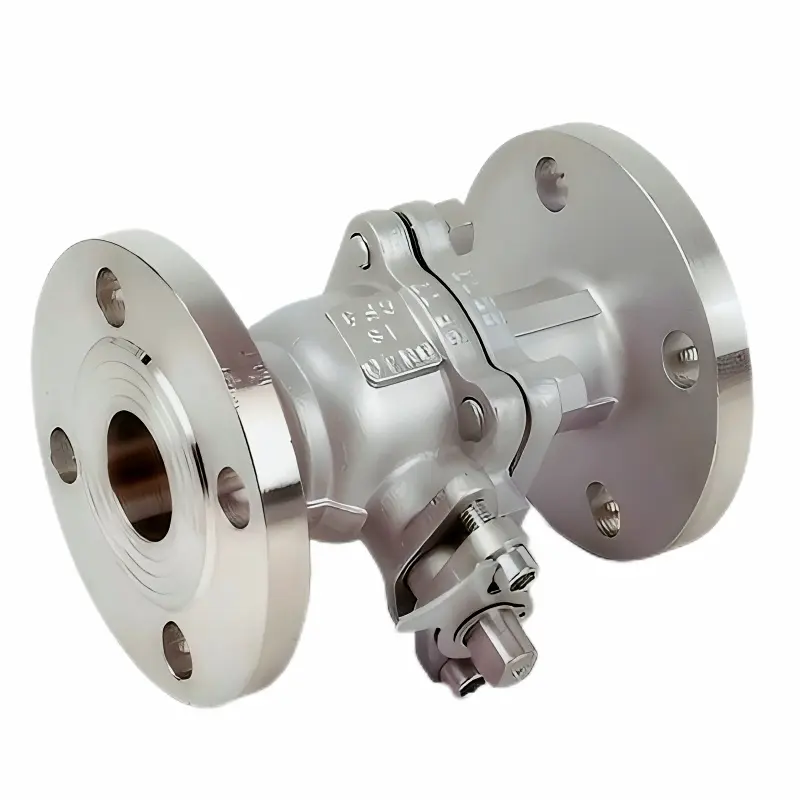
Selected valves undergo the relevant material, dimensional, assembly and pressure-test checks.
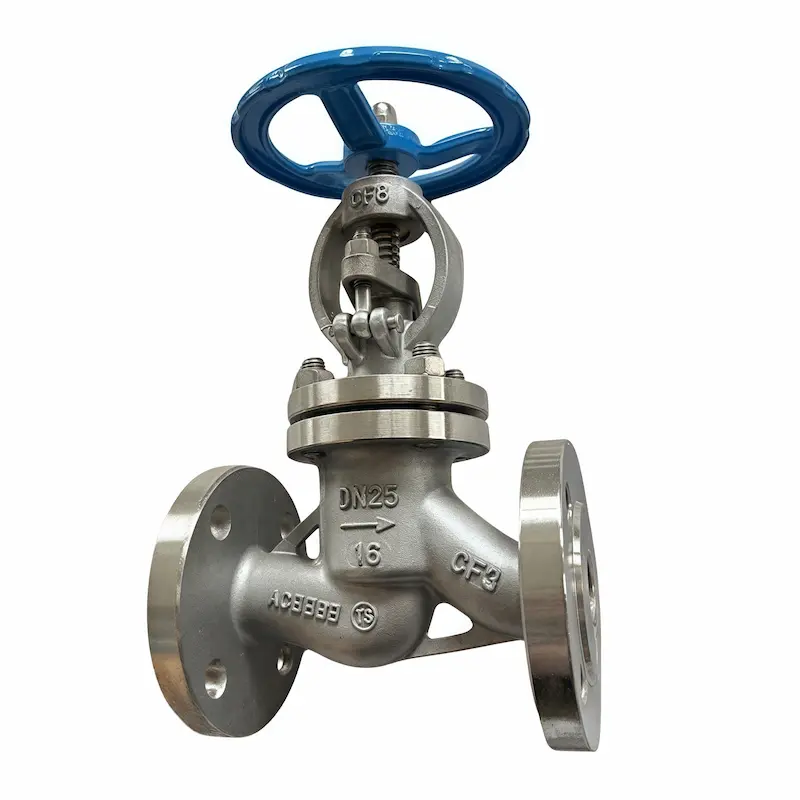
Valve Product Range
Gate, globe, ball, butterfly, control, check, slurry and related flow-control valve categories for confirmed project duties.
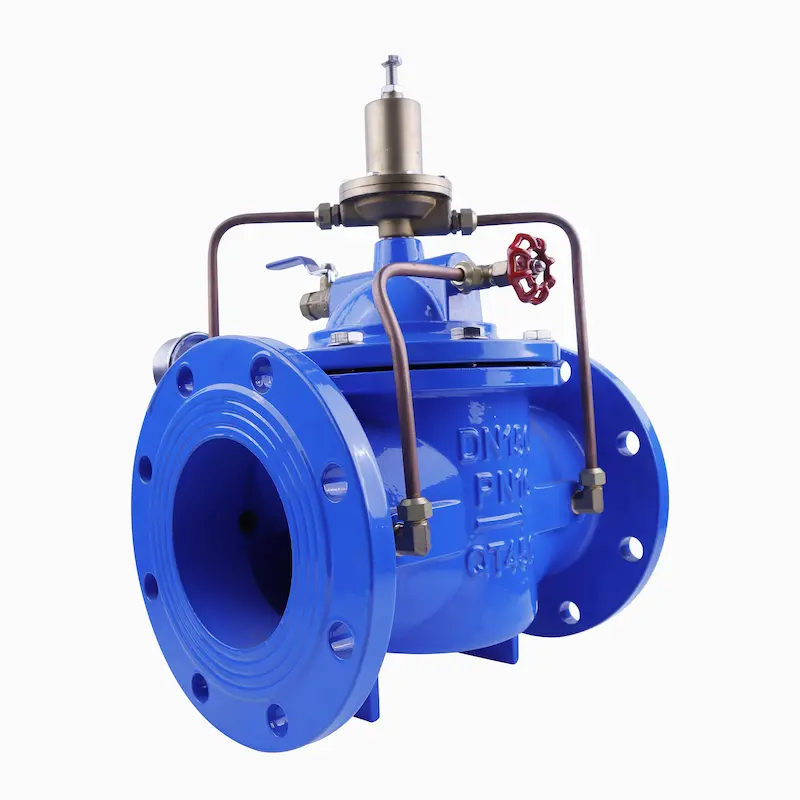
Project Support
Technical information, product selection and quotation support for EPC, distributor and procurement teams.