Food & Beverage Applications
Valves for Food & Beverage Processing — Product Lines, CIP & Plant Utilities
Valve solutions for ingredient transfer, mixing, thermal processing, storage, filling, cleaning circuits and plant utilities. Tell us whether the valve is in direct product contact, CIP-wetted service or a non-product utility line, together with the medium, cleaning method, pressure–temperature range, connection and documentation requirements.

Where Valves Work Across Food & Beverage Production

Ingredient Receiving & Transfer
At unloading, storage and transfer points, valve selection starts with direct product-contact status, product viscosity, particles and cleaning requirements.

Mixing, Blending & Dosing
Routing into mixers and dosing points must account for batch changeovers, recipe cross-contact, operating frequency and cleanability.

Pasteurization & Thermal Processing
Product, hot-water, steam and cooling circuits around thermal equipment must be classified separately before isolation or control valve selection.

Fermentation, Storage & Tank Transfer
Tank inlet, outlet and transfer valves require review of drainability, product hold-up, operating sequence and cleaning access.

Filling & Packaging Lines
High-cycle filling and packaging lines require confirmation of actuation, shut-off consistency, cleaning conditions and applicable hygienic requirements.

CIP, Water, Steam & Cooling Utilities
Cleaning and utility circuits need medium, temperature and system-boundary review, especially where a valve forms part of a product-contact cleaning path.
Food & Beverage Valve Challenges Defined Before Selection
Product Contact & Cleanability
For any product-contact position, material grade alone is not enough. Internal geometry, drainability, seals, end connections and required hygiene documents must be reviewed together.
Send Product Details ···
CIP/SIP Chemistry & Temperature
Cleaning chemicals, concentration, temperature, exposure time and cycle frequency can affect valve-body, trim and elastomer compatibility. Review the cleaning process with the product.
Send Cleaning Conditions ···
Viscosity, Solids & Product Retention
Syrups, edible oils, dairy products, plant-based beverages and juices with pulp do not behave like water. Define viscosity, solids, temperature and acceptable product hold-up before selection.
Send Medium Details ···
Product Separation, Changeovers & Operating Cycle
Recipe changes, allergen control, product-to-CIP separation and filling sequences may require defined shut-off, fail position, valve feedback and cleanable routing.
Send Your P&ID ···
Food & Beverage Valve Challenges — Defined Before Selection
The product-contact classification, cleaning method and medium—not the industry label—define the valve configuration.
Product Contact & Cleanability
For product-contact valve positions, review internal geometry, drainability, seals, end connections and required hygienic documentation—not material grade alone.
CIP/SIP Chemistry & Temperature
Cleaning chemicals, concentration, temperature, exposure time and cycle frequency affect body, trim and elastomer compatibility.

Viscosity, Solids & Product Retention
Viscosity, solids, particles, product temperature and acceptable hold-up affect the flow path, drainage and valve configuration.
Product Separation & Operating Cycle
Recipe changeovers, allergen control, product-to-CIP separation, fail position and cycle frequency define the required shut-off and automation arrangement.
Valve Categories for Food & Beverage Process Duties
Product-Contact Isolation & Routing
For direct product-contact positions only when hygienic construction, cleanability and required project documentation are confirmed.
Send Product Requirements ···
CIP Supply & Return Isolation
For cleaning solution and rinse-water circuits. Review the full cleaning process and whether the valve belongs to the product-contact path.
Send Cleaning Conditions ···
Steam, Hot Water & Cooling Control
For defined steam, hot-water and cooling-water duties around thermal processing, heat exchange and plant utility systems.
View Globe Valves ···
Backflow & Utility Protection
For protecting pumps and connected utility equipment from reverse flow. Product-contact positions require separately confirmed hygienic construction.
View Check Valves ···
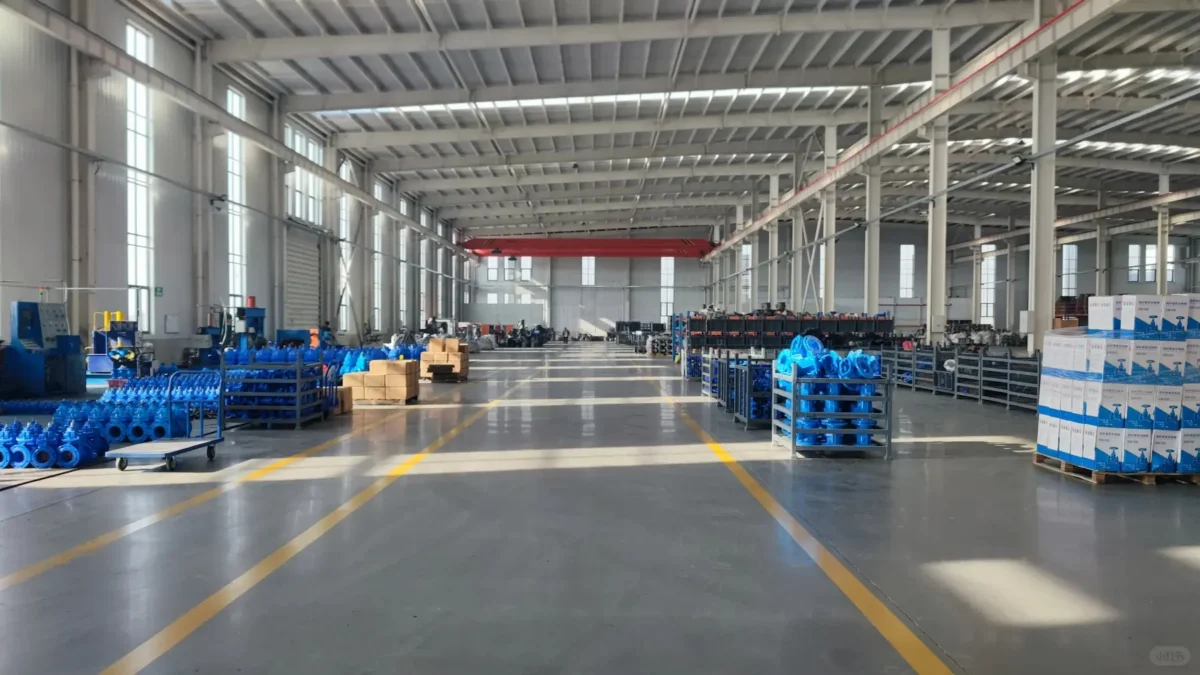
Valve Manufacturing, Testing & Technical Support
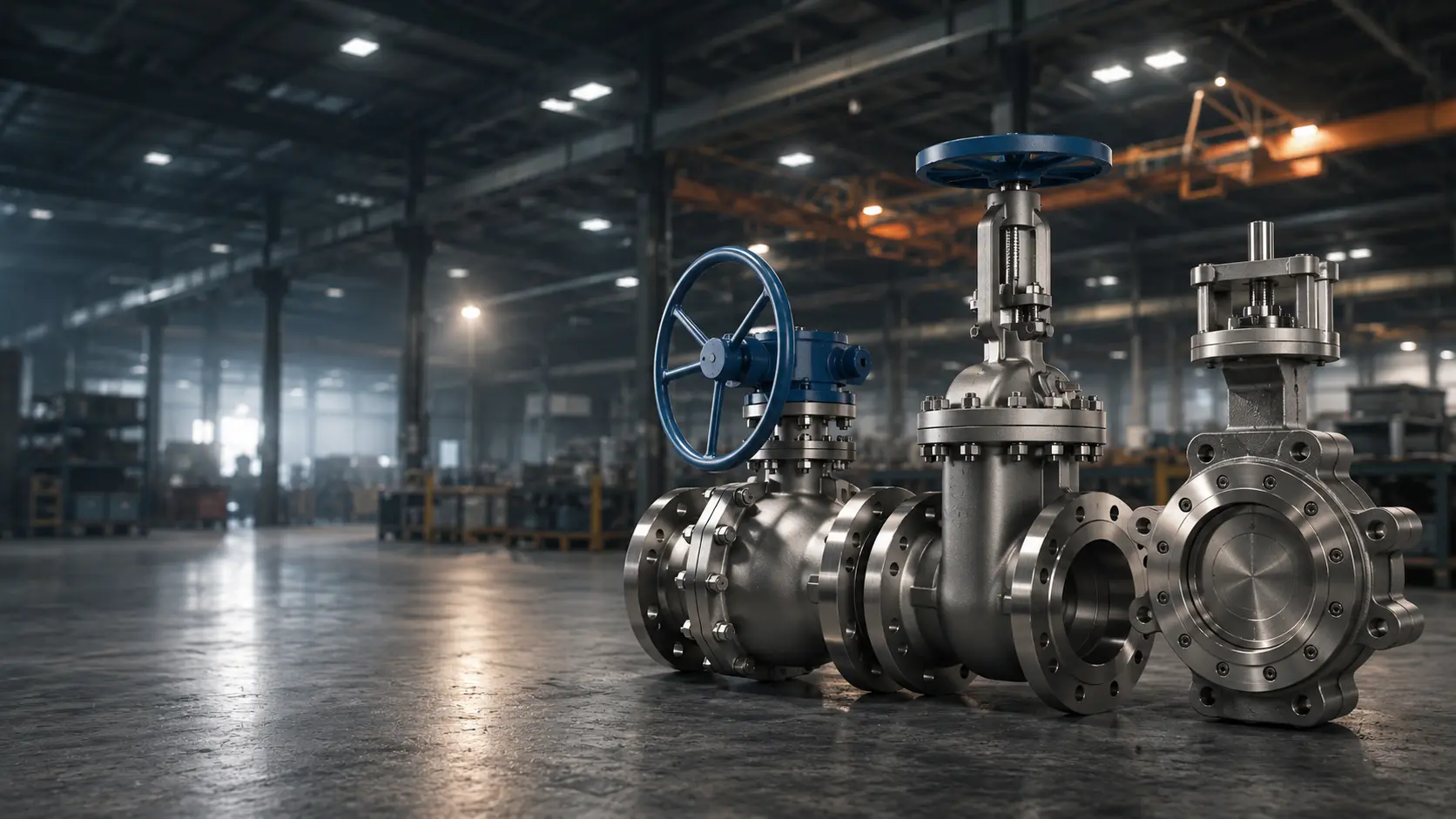
Industrial Valve Manufacturing For Food & Beverage Process & Utility Projects
zpvevlave is an industrial valve manufacturer supporting process and utility pipeline projects. For food and beverage enquiries, the review begins by identifying whether each valve is in direct product contact, CIP-wetted service or a non-product utility line.
Each confirmed configuration is reviewed against the medium, cleaning method, pressure-temperature conditions, material and seal requirements, connection, actuation and required technical documentation. Product-contact hygienic suitability or certification is confirmed only against the selected valve model and project specification.
Service Classification
Product-contact, CIP-wetted and non-product utility positions separated before valve configuration review.
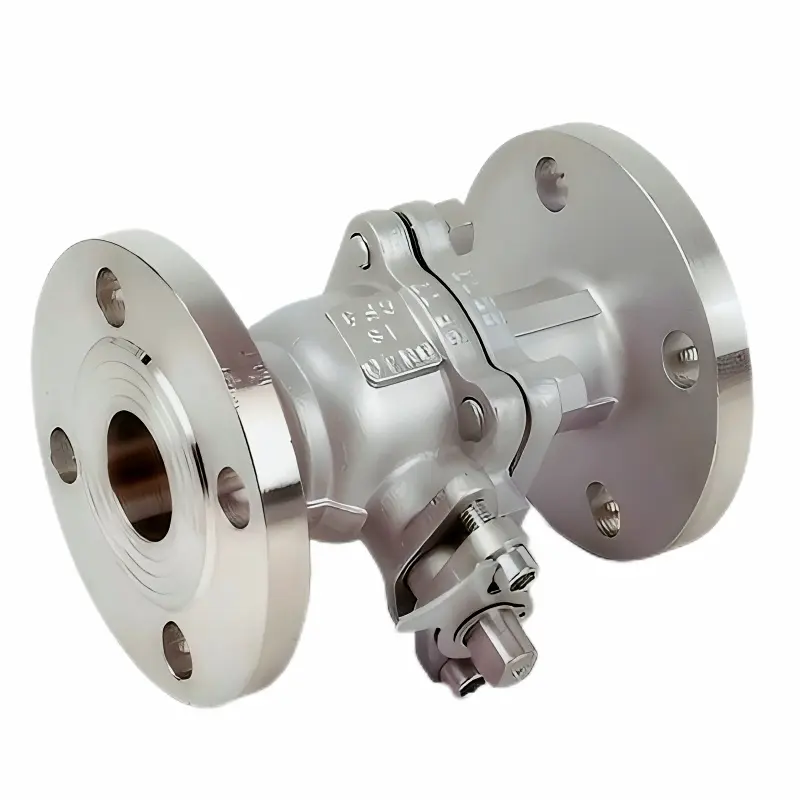
Valve Configuration
Valve type, material, seal, connection and actuation reviewed against the confirmed medium and cleaning conditions.
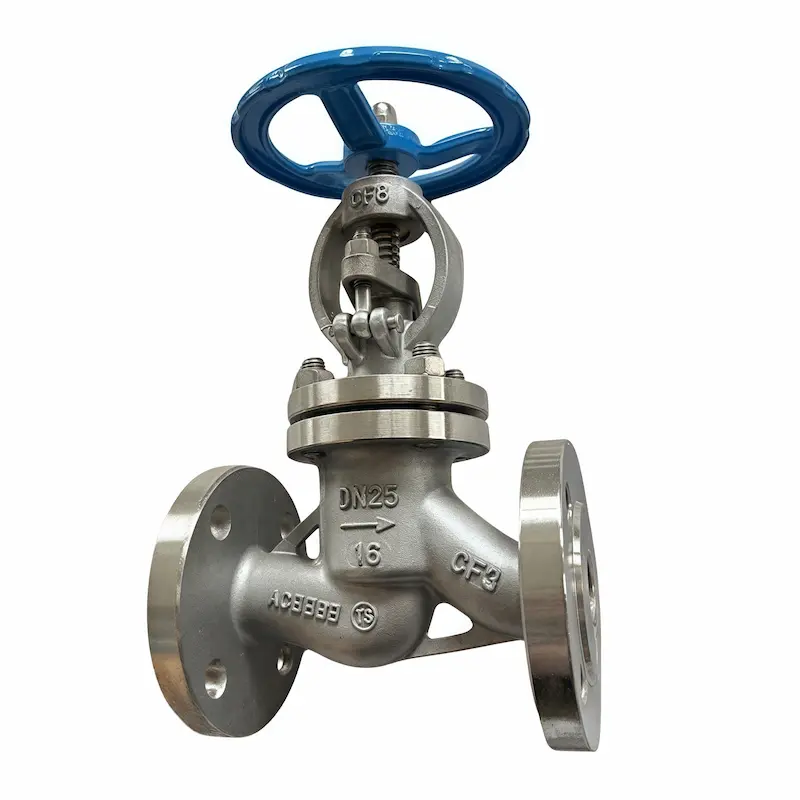
Inspection & Testing
Selected valves undergo the relevant material, dimensional, assembly and pressure-test checks.
Documentation & Quotation Support
Technical information and available project records prepared around the confirmed valve configuration.