Lift Check
Needs a horizontal line, or a vertical line with upward flow only. The disc rides in a guide against gravity, so orientation isn't optional.

ZPVE manufactures swing, lift, dual-plate and ball check valves from DN6 to DN3000, Class 150 to 4500. Bodies in ductile iron, carbon steel and stainless steel, with metal or resilient seats.
Each valve closes on reverse flow by line pressure, disc weight or spring assist, with no actuator and no power supply. We confirm disc type, seat material and end connection against your line conditions before we quote.
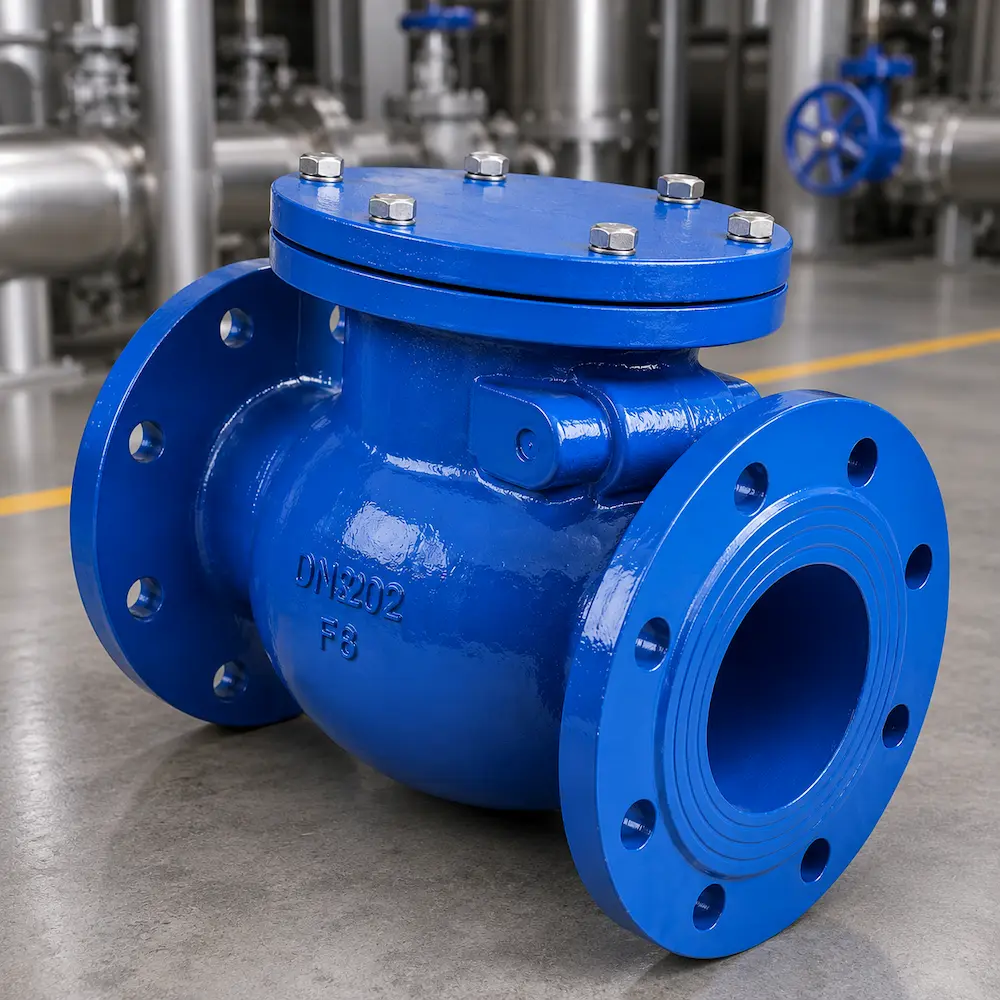
Body, seat, disc, hinge and spring — what each part does, and what it's made of, on our swing, lift, dual-plate and ball check valves.
Houses the flow path and carries the pressure boundary. Cast in ductile iron, carbon steel or stainless steel to match the line.
Bolted or welded closure that gives access to the internals for maintenance without removing the valve from the line.
The sealing surface the disc closes against — machined into the body or fitted as a ring, in metal or resilient material.
The moving element — swing plate, lift disc or ball — that opens on forward flow and returns to the seat on reverse flow.
Locates and directs the disc through its travel. Swing types use a hinge arm; lift and ball types use a guide.
Fitted on dual-plate and some lift designs to accelerate closure and reduce water hammer on pump trip.
Bolts, studs and nuts holding bonnet and body together, matched in grade to the body for the design pressure.
Large-bore main lines — the disc swings fully clear of the flow path, keeping pressure drop to a minimum.
View Full Specification ···
High-pressure, small-bore lines — the guided disc stays stable at high flow velocity without fluttering.
View Full Specification ···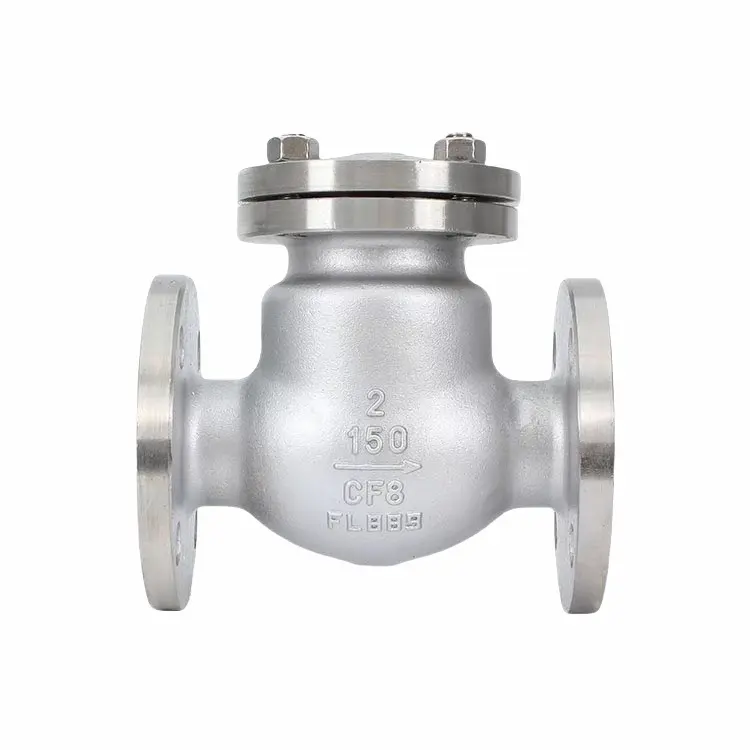
Space-constrained pipe runs — about half the face-to-face length of a swing check, with spring-assisted closure.
View Full Specification ···
Media with suspended solids — the ball rotates through a full cycle so solids don't lodge on one seating point.
View Full Specification ···
Get the orientation wrong, and the valve type doesn't matter — it won't seal reliably. Most field failures trace back to two things: the wrong installation orientation, or an unmanaged pressure surge when a pump stops. Both are avoidable before the valve goes in the ground.
Needs a horizontal line, or a vertical line with upward flow only. The disc rides in a guide against gravity, so orientation isn't optional.
Installs horizontal, vertical or inclined — but the medium must always flow upward through the disc. Reversed, the disc never seats.
Installs in almost any orientation, including vertical downward flow, because the spring assists closure instead of relying on gravity alone.
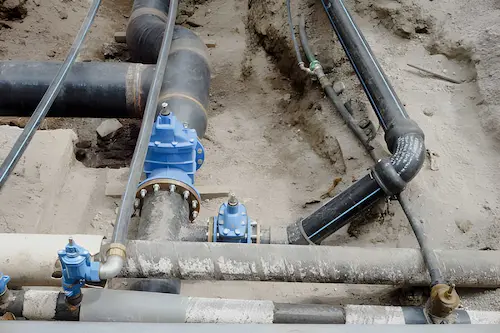
Keep adequate straight pipe upstream and downstream of the valve. Turbulence from a nearby elbow, pump or reducer keeps the disc from seating evenly and accelerates wear.
A pump that stops suddenly sends a pressure wave back through the line. If the disc slams shut into that surge, you get water hammer — for surge-prone lines, a spring-assisted or damped closure design closes ahead of the reverse flow, without the slam.
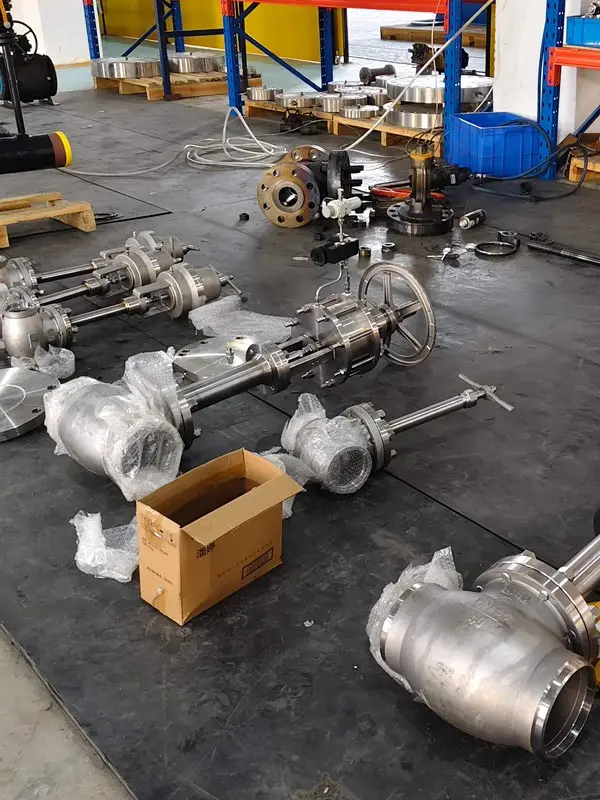
Usually wear on the seat or disc face, or debris in the sealing area. Check for scoring before assuming the valve needs replacing.
Almost always a worn or damaged seat — or, on swing checks, the wrong orientation letting the disc hang open.
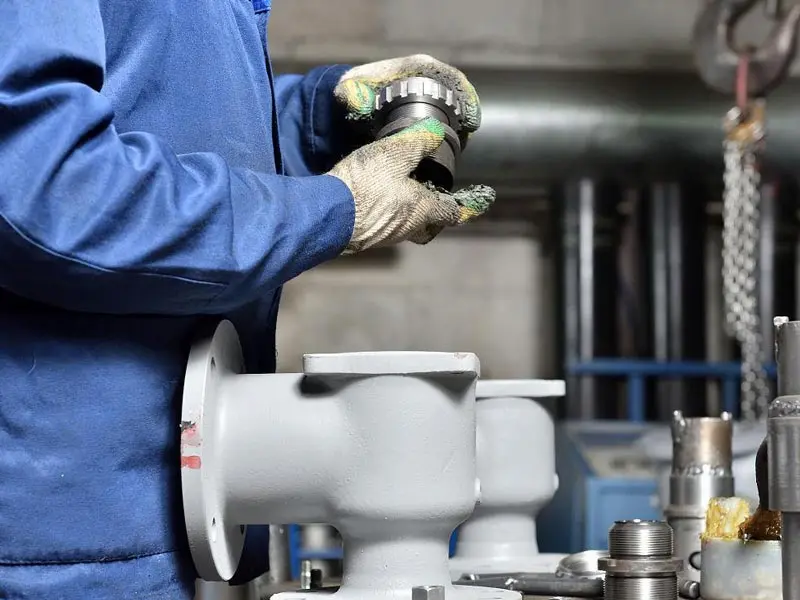
Common with scale buildup or a bent hinge pin. On lift checks, check the guide for corrosion first.
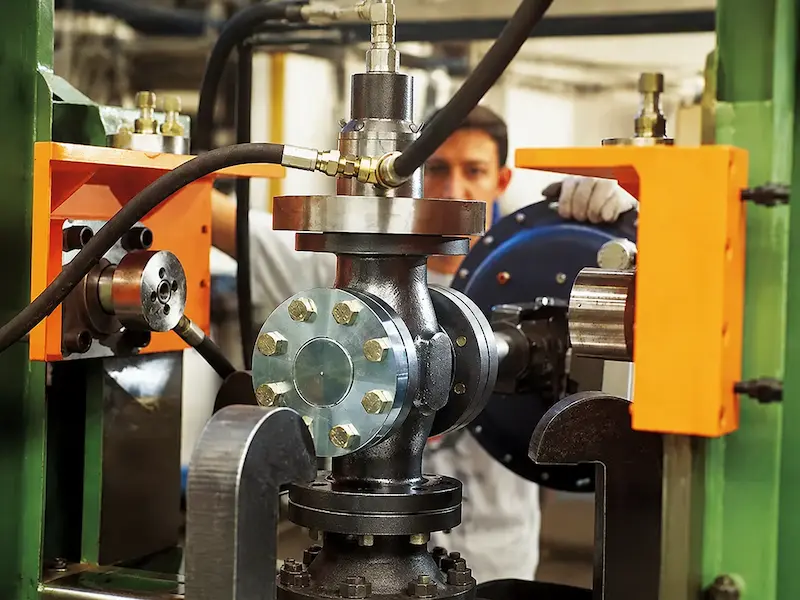
On spring-assisted valves, a fatigued or broken spring loses its damping effect. Inspect it on the same schedule as the seat.
Not sure which failure mode you're seeing?
Send Us Your Pump Curve and Line Data
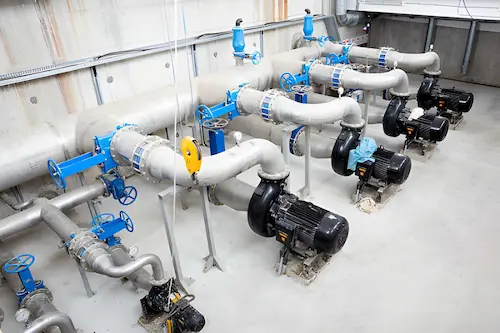
Pump station discharge — prevents backflow from damaging the pump and flooding the station when pumps stop or lose power.
Lift station discharge lines — stops sewage draining back into the wet well between pump cycles.
Fire pump discharge — holds system pressure and stops water draining back through the pump when it's not running.
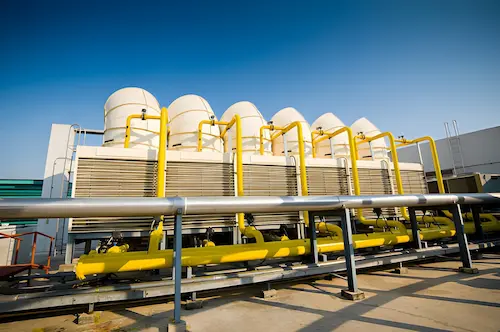
Riser and booster pump outlets — keeps water from falling back down the stack and hammering the pump on shutdown.
Pump and filter station outlets — prevents backflow that would drain the line and re-prime the pump on every cycle.
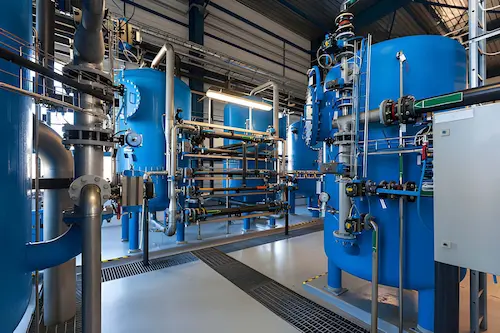
Cooling water pump discharge — stops reverse flow from damaging the pump on trip and protects the header from surge.