Wedge Design
The gate seats as a wedge between two tapered faces. We machine solid wedges for tight shut-off on clean media and flexible wedges for lines that move under heat.

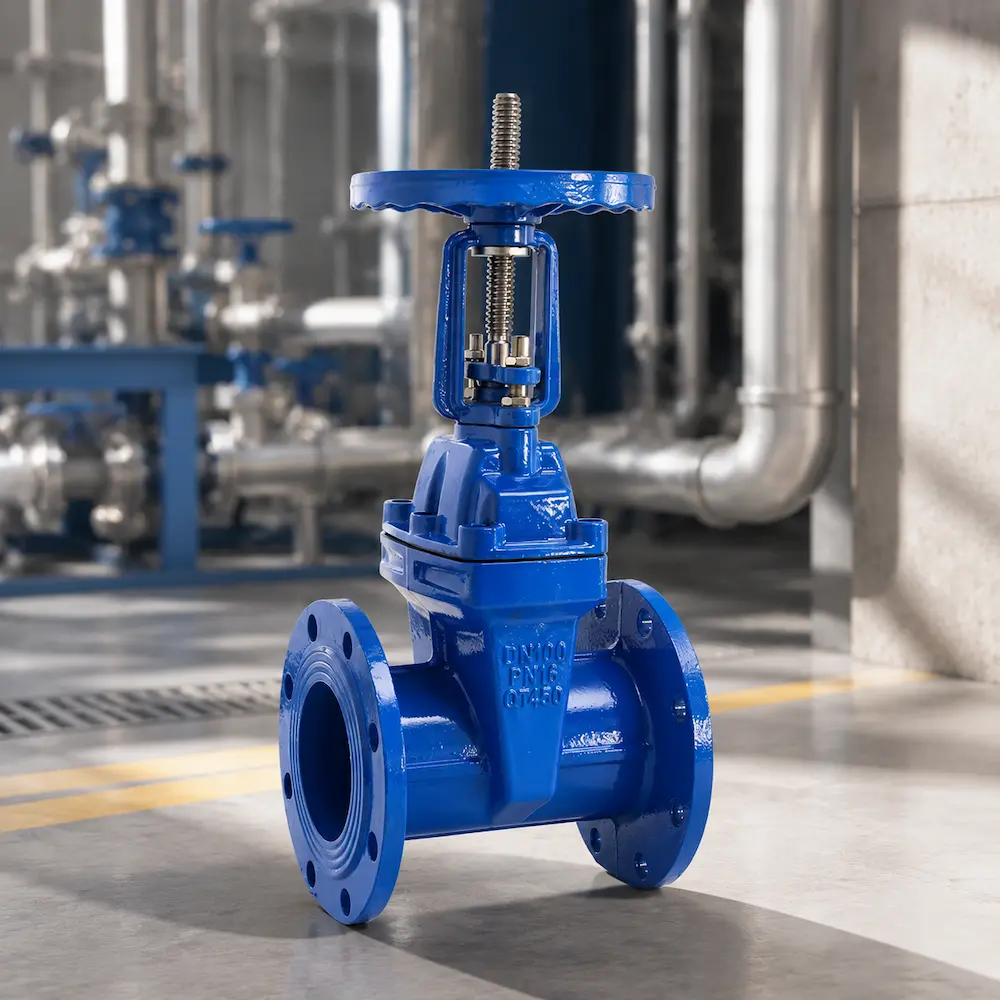
ZPVE manufactures gate valves from DN40 to DN1000 in ductile iron, cast steel and forged steel. We build wedge and parallel gate designs, with resilient or metal seats, and rising or non-rising stems.
We machine flange faces to the drilling standard on your pipework. We set seat material, stem design and coating to the medium and the installation.
Selection Guide
A gate valve is defined by how the gate closes and how the body is built. We supply all six configurations below and set them to the duty on your line.
The gate seats as a wedge between two tapered faces. We machine solid wedges for tight shut-off on clean media and flexible wedges for lines that move under heat.
Two flat discs run parallel to the seats and are held closed by line pressure. We build this design for gas distribution and for media that would bind a wedge.
A sharp-edged plate cuts through the medium as it closes. We build this design for slurry, pulp and any line carrying solids in suspension.
A resilient seat uses a rubber encapsulated wedge closing against a plain bore. A metal seat uses machined or hardfaced rings for high temperature and abrasive duty.
Full bore keeps the opening equal to the pipe, so flow passes without a step. Reduced bore drops one size to cut weight and cost where a small pressure drop is acceptable.
Cast bodies cover the large bores and the standard pressure classes. Forged bodies cover small bore high pressure lines where the wall carries more load.
We supply gate valves into six sectors. In each one the valve does the same job, holding a line fully open or fully shut while the rest of the system stays live.
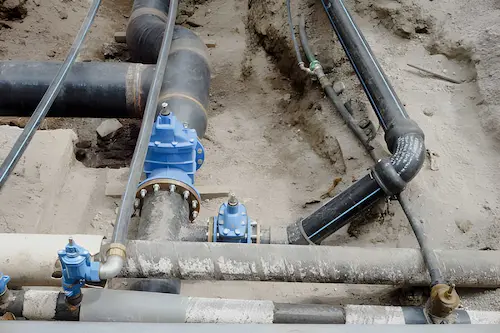
Trunk main sectioning and branch isolation
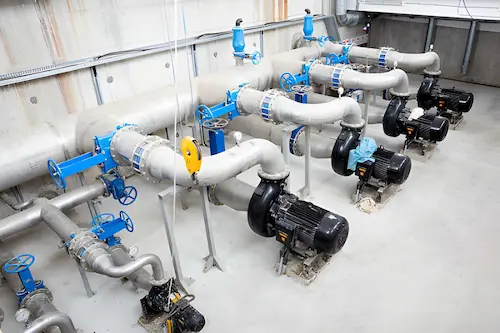
Pump suction and discharge shut-off
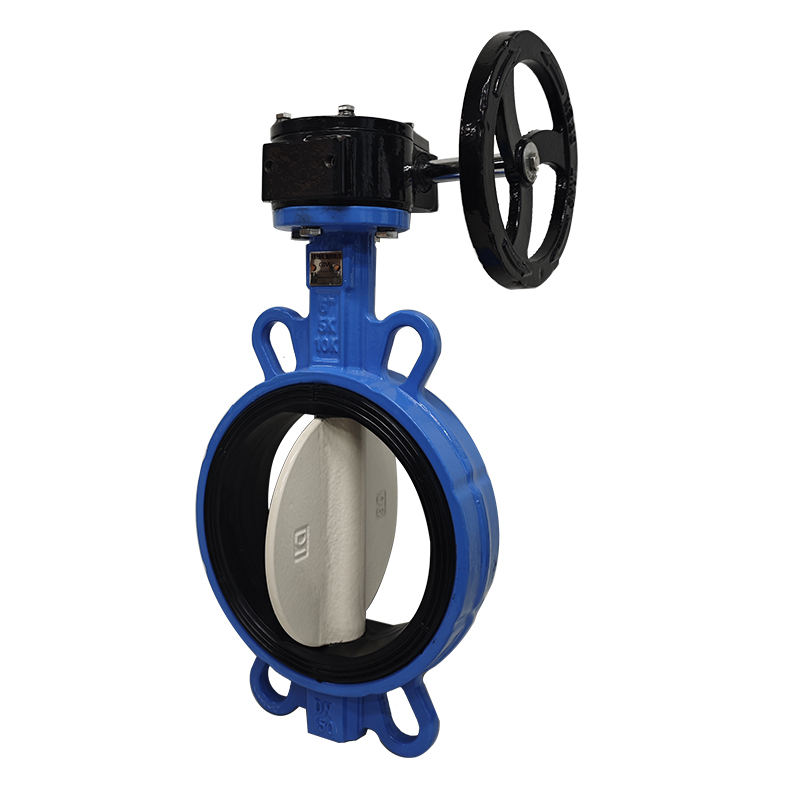
Riser and zone isolation with position indication
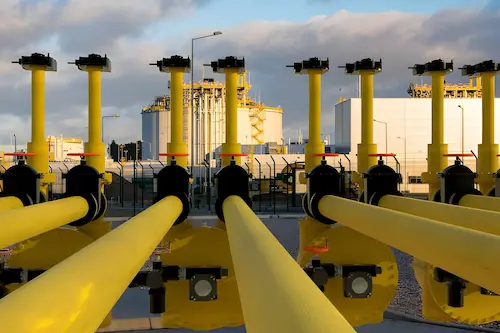
Unit block valve held open between turnarounds
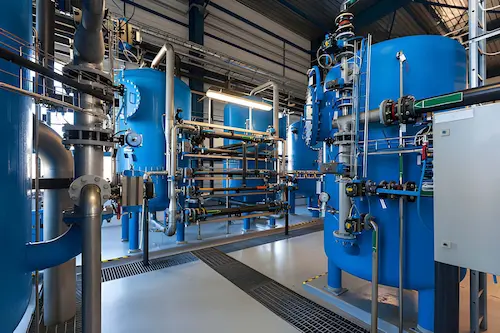
Feedwater and circulating water shut-off
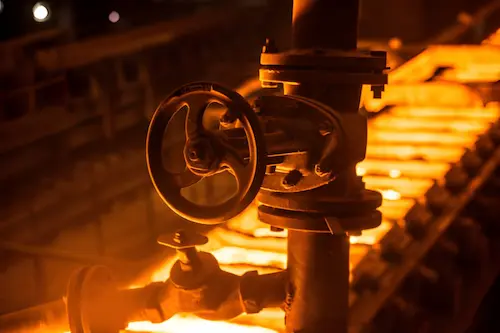
Abrasive slurry and cooling water isolation
Tell us the medium, the line size and where the valve sits. We match the body, seat and stem to it.
Materials
We match the body and the trim to the medium the line carries. These are the five builds we run most.
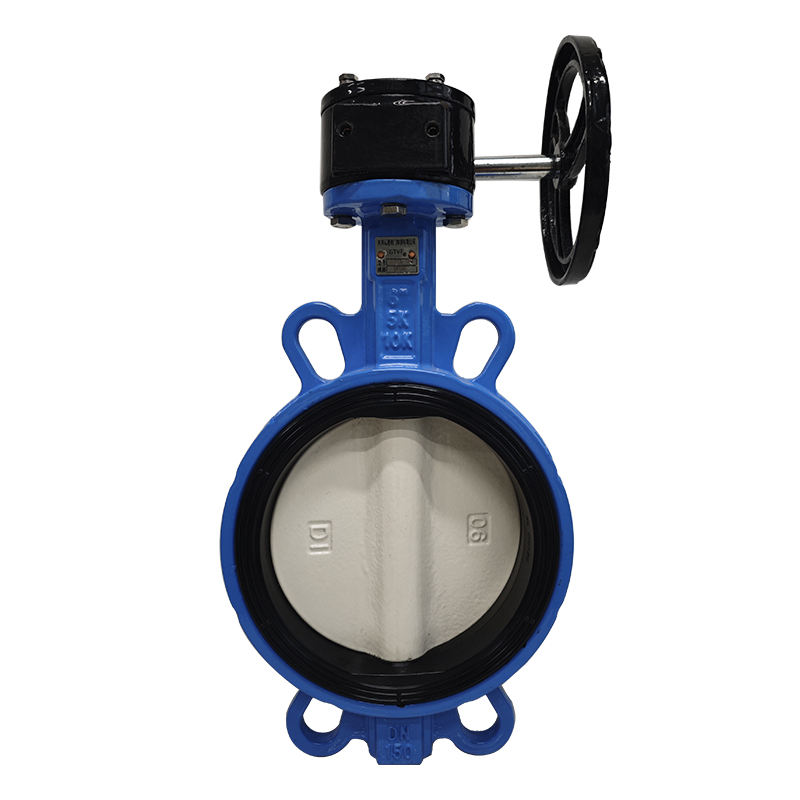
We build these valves in ductile iron with fusion bonded epoxy inside and out.
QT450 ductile iron, epoxy coated on the wetted and external faces.
EPDM encapsulated wedge with a 2Cr13 or SS304 stem. The coating and the rubber are listed for drinking water contact under WRAS and NSF.
We keep the ductile iron body and put the protection where the grit runs.
QT450 ductile iron with a heavier epoxy film across the bore.
EPDM encapsulated wedge and an SS304 stem. The bore stays plain, so there is no seat pocket for solids to settle into.
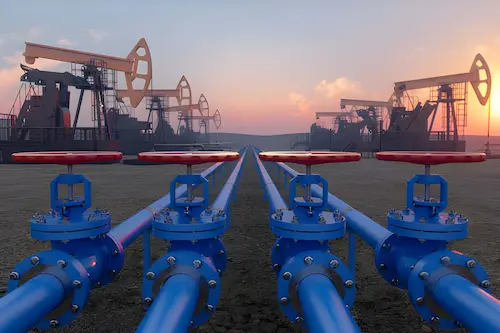
We move to cast and forged steel once the line runs hot or above Class 150.
WCB cast steel, or A105 forged steel on the smaller high pressure sizes.
13Cr seat faces and wedge facing, with graphite packing at the stem and a graphite bonnet gasket.
We build the whole wetted path in one stainless family so nothing galvanic sits in the seal.
CF8 or CF8M cast stainless steel, with F304 or F316 forged bodies on small bores.
Matching stainless internals with PTFE packing. Seat faces are integral to the body, so no dissimilar metal sits in the sealing path.
We build low temperature valves to the service temperature stated on your datasheet.
LCB low temperature cast steel, with LF2 forged bodies where the size calls for it.
Impact tested body and internals, with packing selected against the stated service temperature.
Stem, Bonnet & Drive
We build both stem designs and both bonnet joints across the range, and fit the drive to the size of the valve and the access on site.
The stem lifts together with the gate, so the travel shows above the yoke.
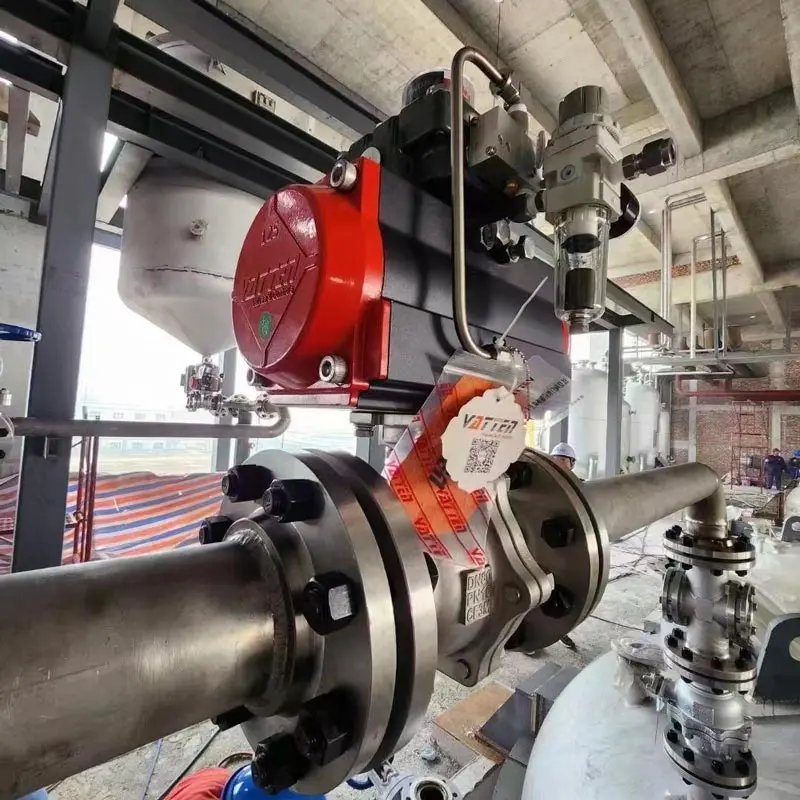
The stem turns in place and the gate climbs the thread inside the body.
Direct drive on the smaller bores and the lower pressure classes.
Cuts the rim pull on large bores and on higher pressure classes.
Multi-turn drive for remote operation and for automated lines.
Linear cylinder drive, used mainly on knife gate valves.
Buried valves worked from ground level with a tee key.
Dimensions
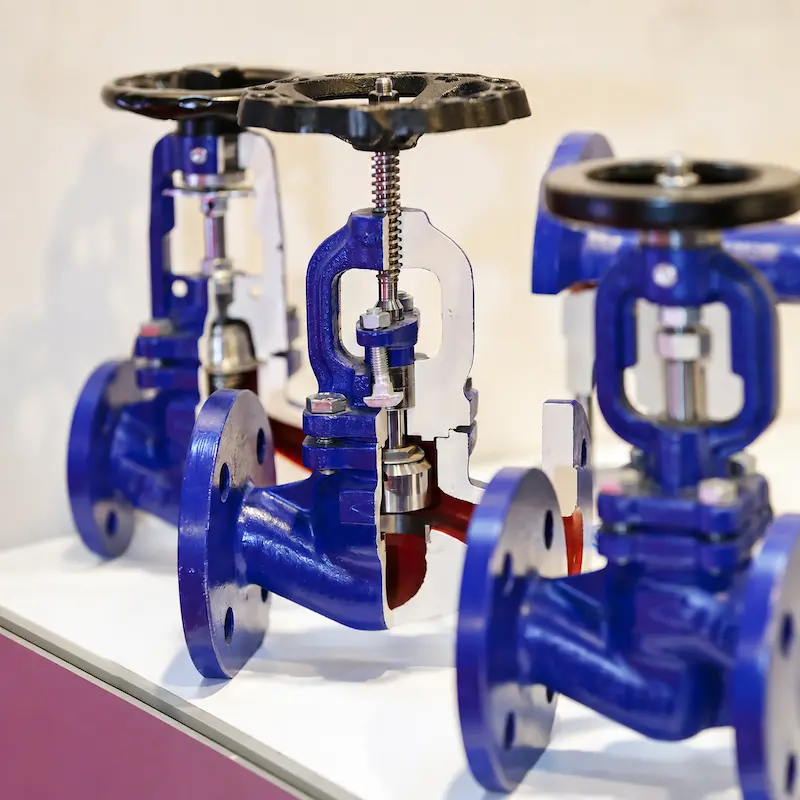
Face to face and flange drilling for the resilient seated series, to DIN 3352 F4 and EN 558 basic series 14. Check the figures against your pipe spool before you order.
| DN | L | D | K | n-Ø |
|---|---|---|---|---|
| DN40 | 150 | 150 | 110 | 4-Ø19 |
| DN50 | 150 | 160 | 125 | 4-Ø19 |
| DN65 | 170 | 180 | 145 | 4-Ø19 |
| DN80 | 180 | 195 | 160 | 8-Ø19 |
| DN100 | 190 | 215 | 180 | 8-Ø19 |
| DN125 | 200 | 245 | 210 | 8-Ø19 |
| DN150 | 210 | 280 | 240 | 8-Ø23 |
| DN200 | 230 | 330 | 295 | 8-Ø23 |
| DN250 | 250 | 405 | 350 | 12-Ø23 |
| DN300 | 270 | 460 | 400 | 12-Ø23 |
| DN350 | 290 | 505 | 460 | 16-Ø22 |
| DN400 | 310 | 565 | 515 | 16-Ø26 |
| DN450 | 330 | 615 | 565 | 20-Ø26 |
| DN500 | 350 | 670 | 620 | 20-Ø26 |
| DN600 | 390 | 780 | 725 | 20-Ø30 |
DN700 to DN1000 are built to the same face to face standard. We issue the dimension sheet for those sizes with the quotation.
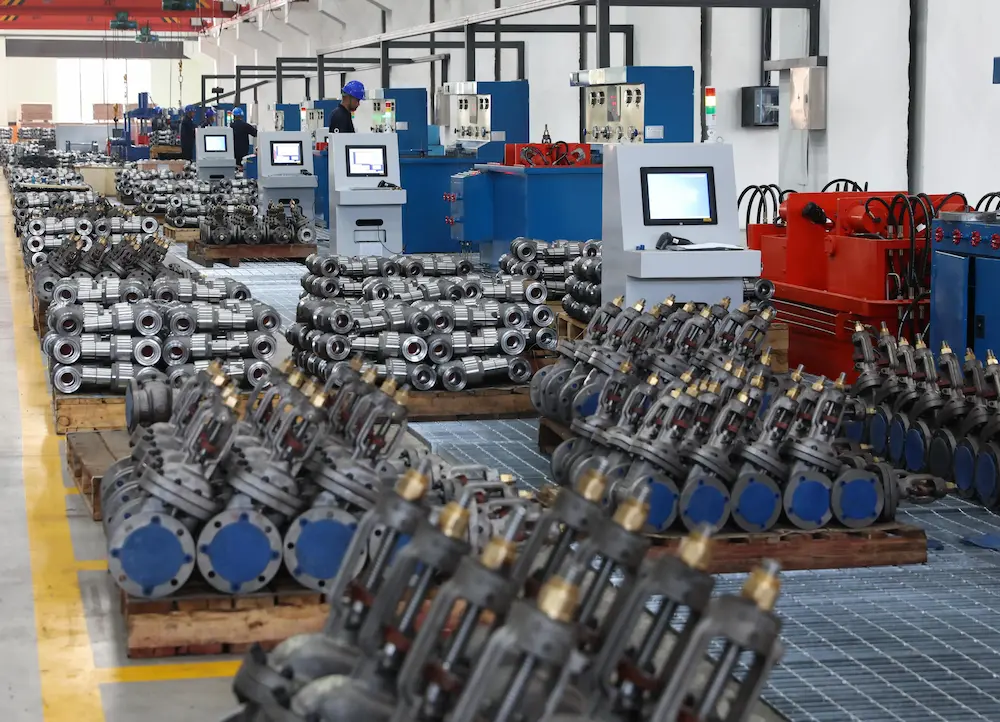
We supply valves to contractors, water utilities and process plants, from single project orders to scheduled deliveries. We work from your line schedule or your drawing, and confirm the specification before anything goes into production.
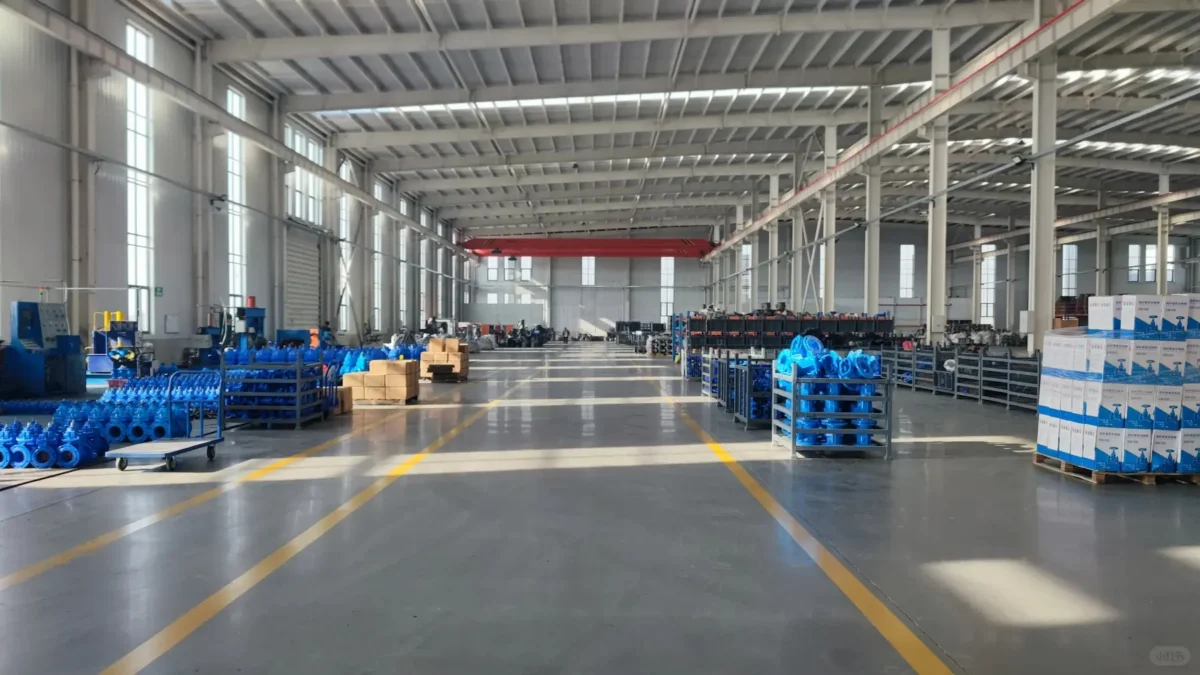
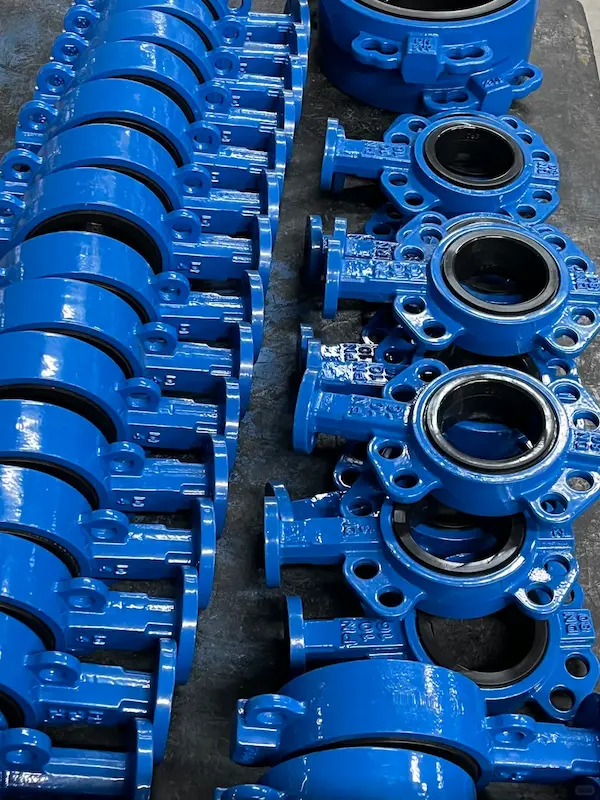
 Production Floor
We check the size, pressure rating, flange standard, medium and service temperature against your line schedule, and flag conflicts before the order is released.
We drill to the standard your project uses, so the valve bolts up to the pipe already on site without an adaptor.
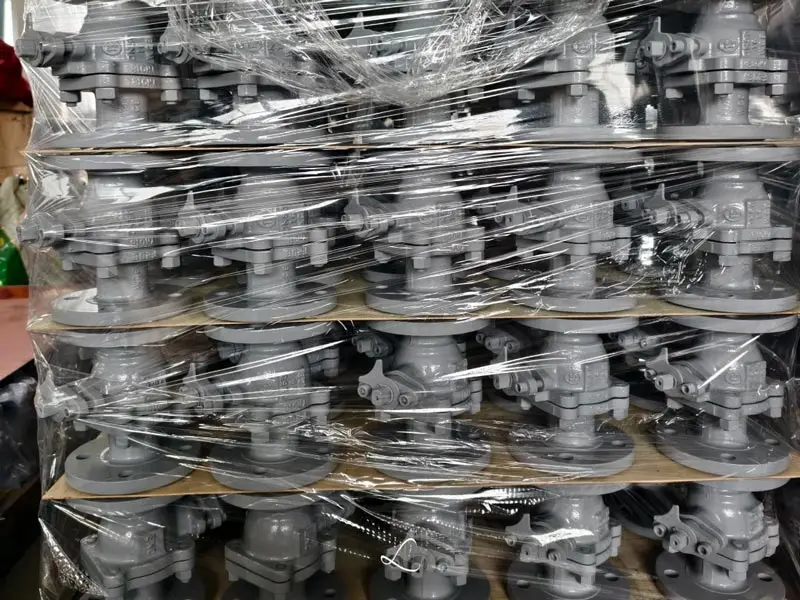
We issue material certificates, pressure test reports and coating thickness records with the shipment, in the format your inspection body asks for.
We keep the drawing, the material and the test record from your first order, so a repeat order arrives to the same build.
Manufacturing
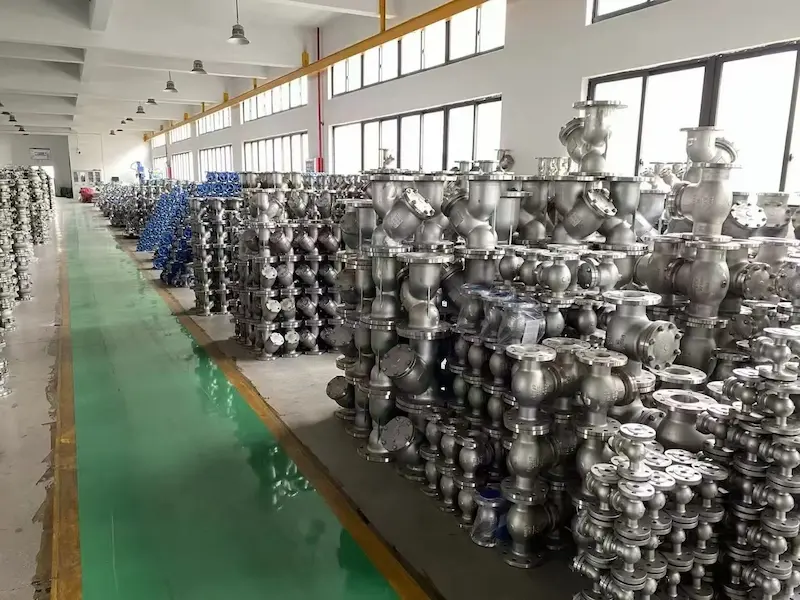
Six steps run inside our own plant, from the poured casting to the pressure test. The wedge vulcanising and the epoxy coating decide how long a valve lasts in a buried line, and we run both ourselves.
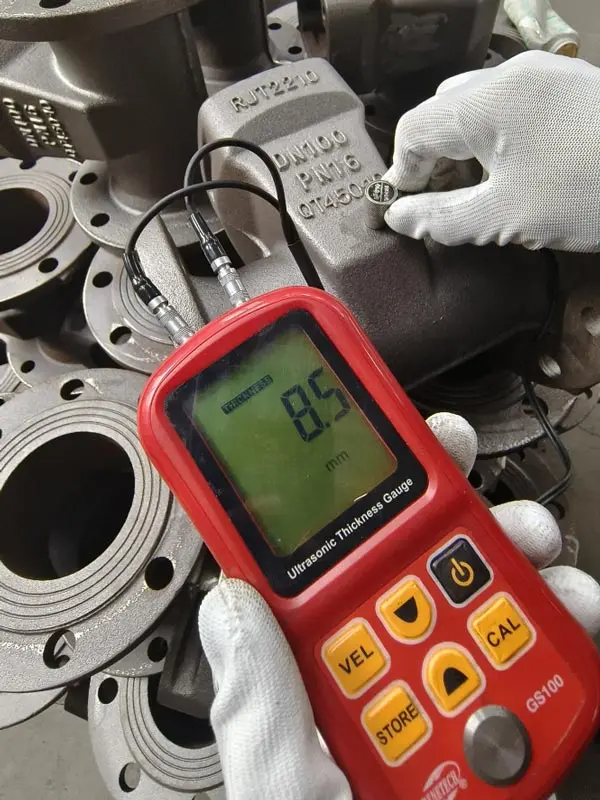
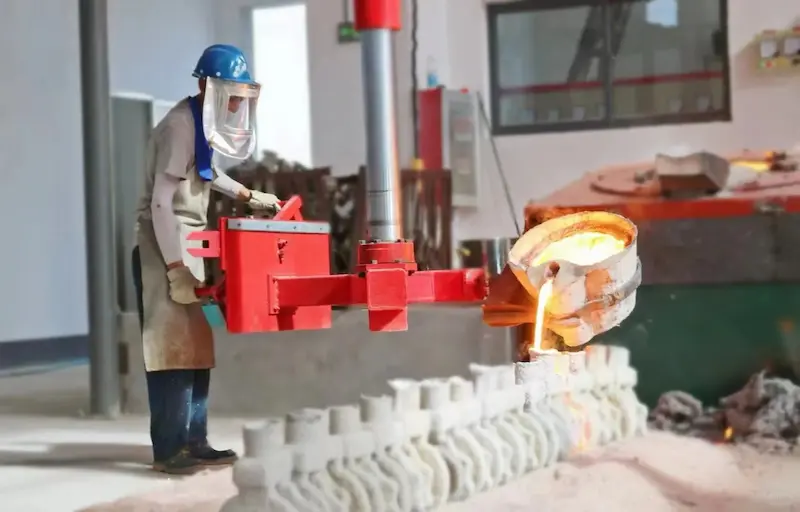
We pour the body, bonnet and wedge in ductile iron, then check each casting for shrinkage and inclusions before it moves on.
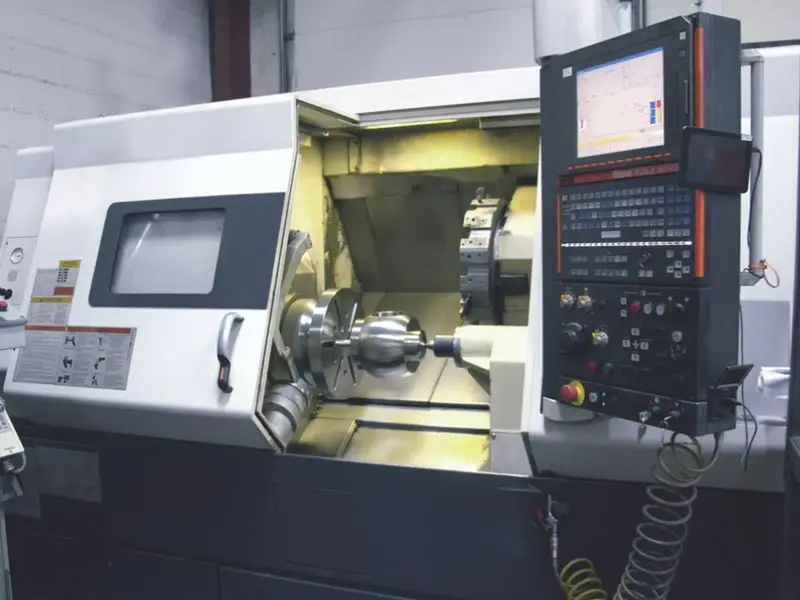
We machine the flange faces, the bore and the stem seat on CNC centres, then verify the face to face length against the drawing.
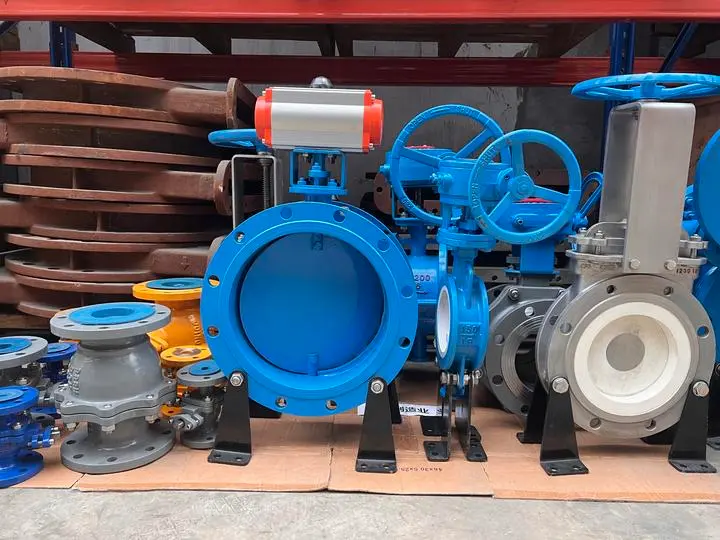
We bond EPDM onto the ductile iron wedge and vulcanise it as one piece, so no iron is left in contact with the medium.
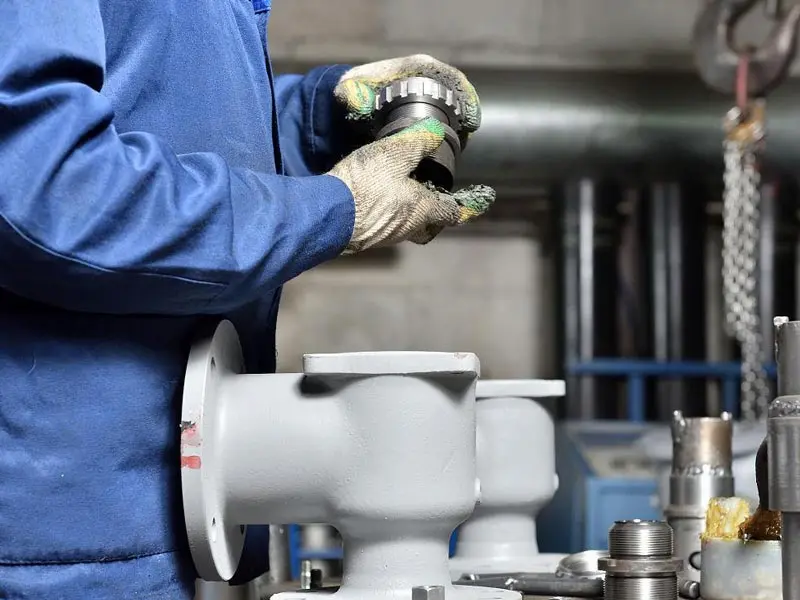
We fit the stem, the wedge nut and the O-ring stack, then set and record the closing torque on every valve.
We apply fusion bonded epoxy inside and out by electrostatic spray, and measure the film thickness on every body.
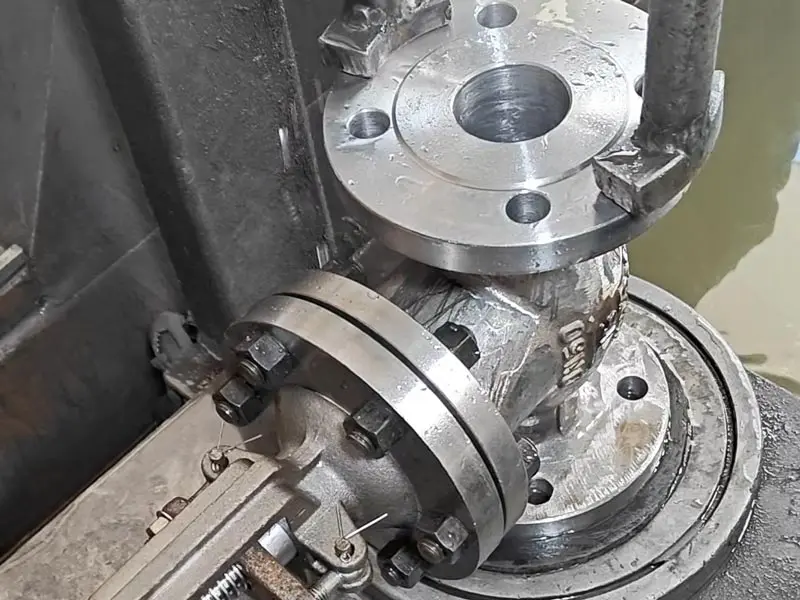
We test the shell at 1.5 times the rating and the seat at 1.1 times, to EN 12266 and API 598.