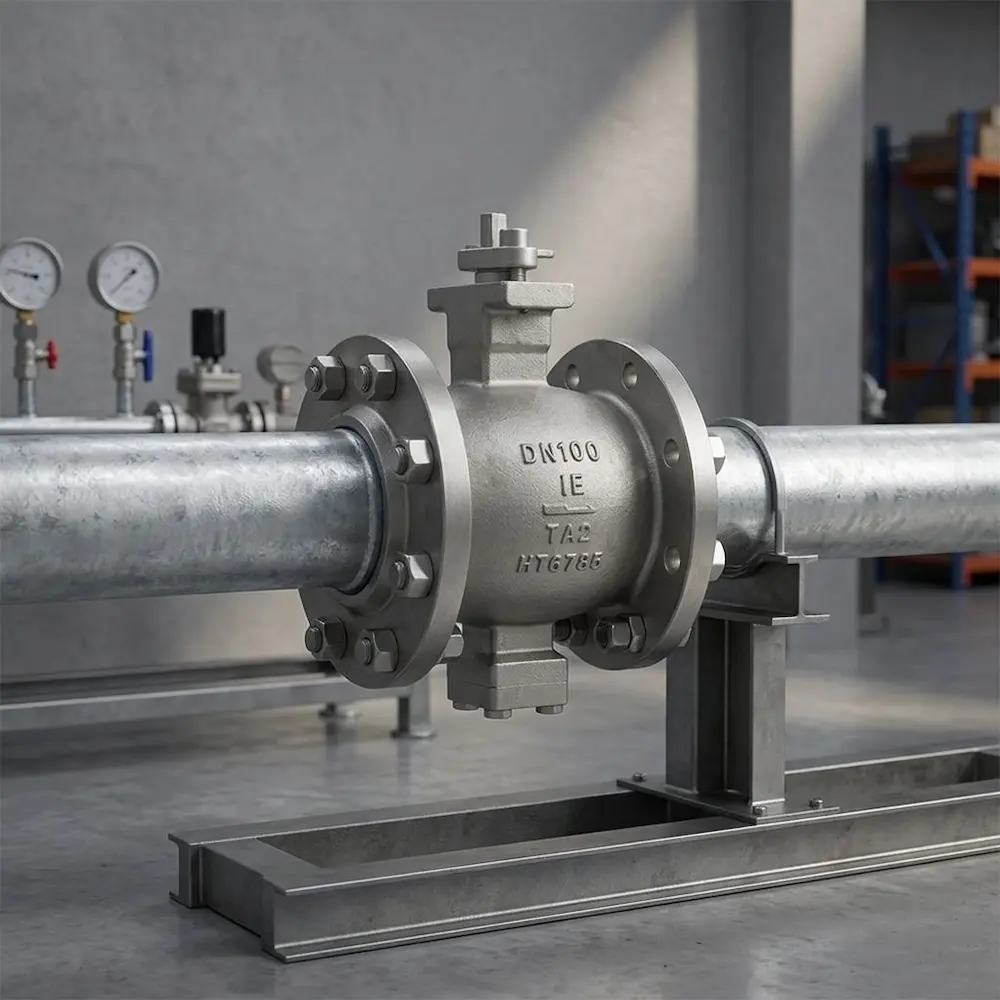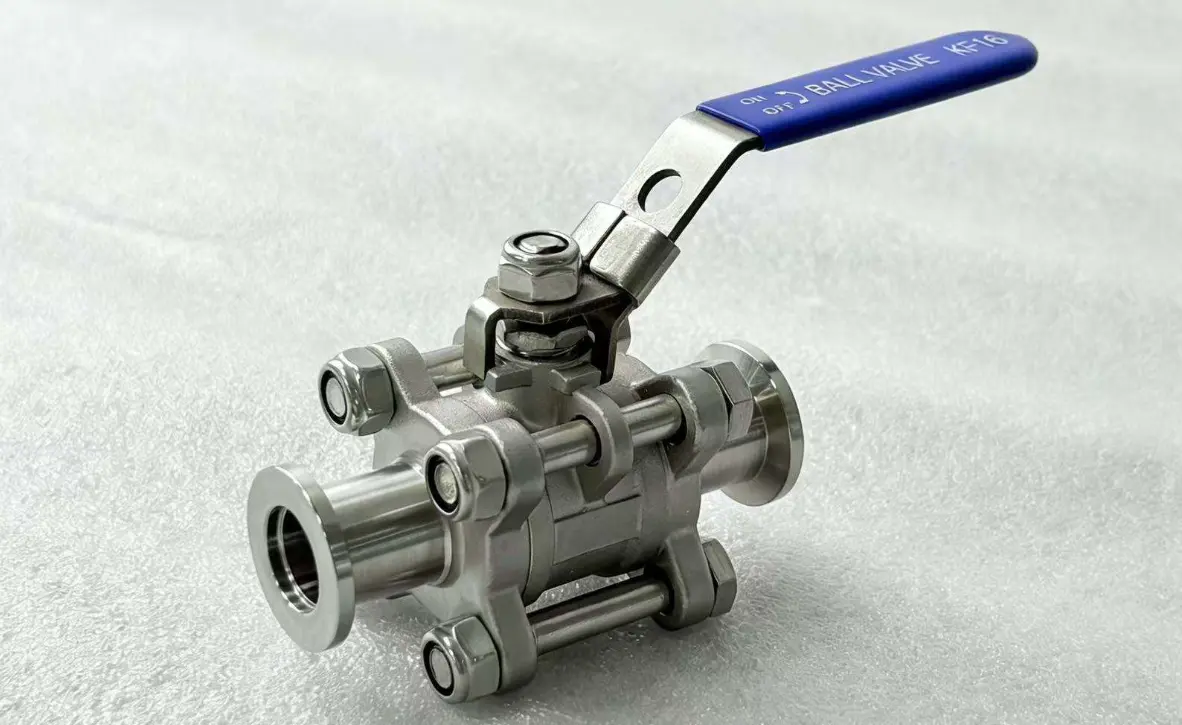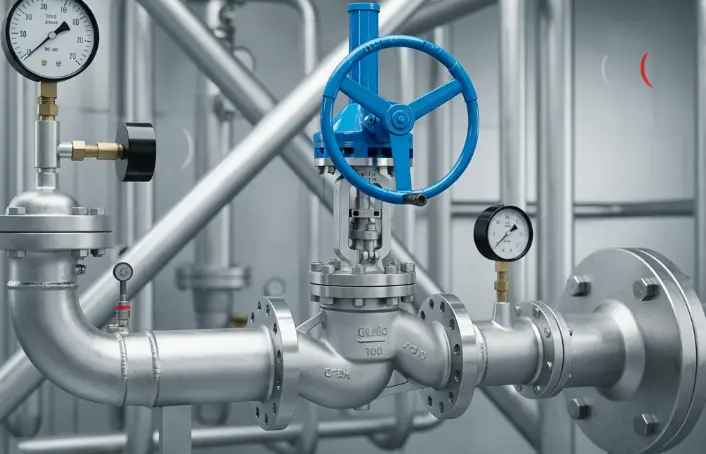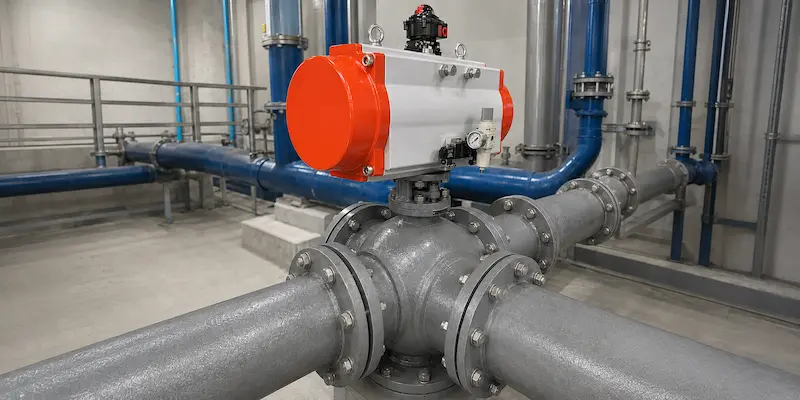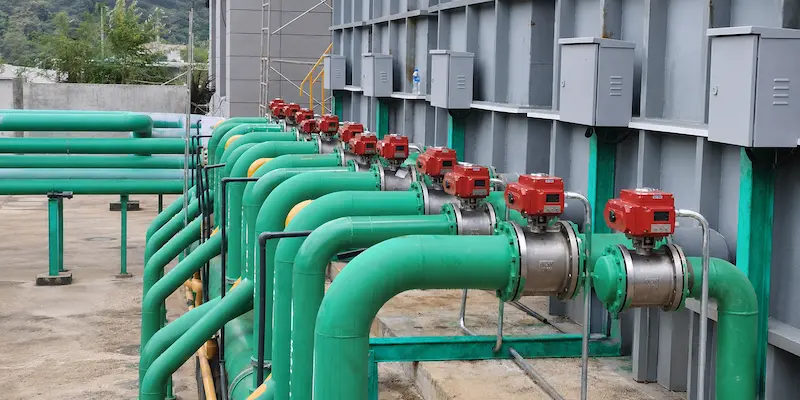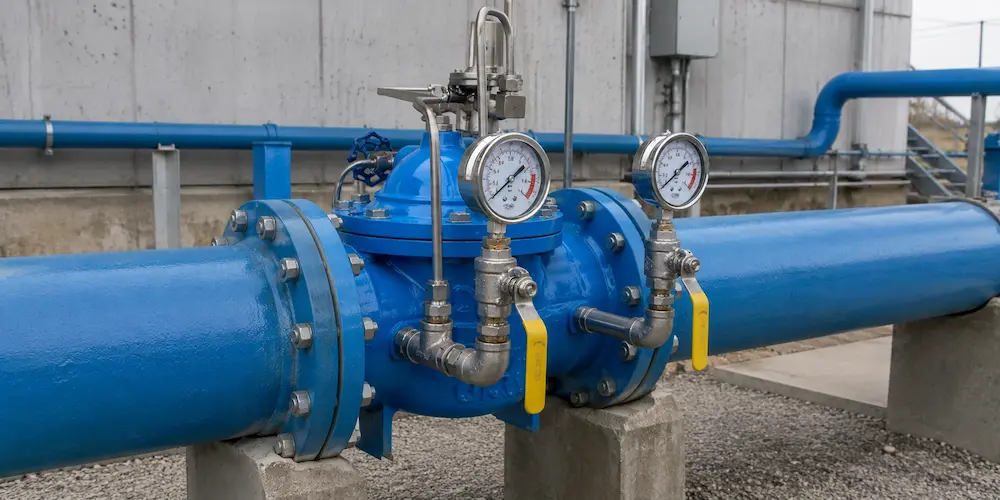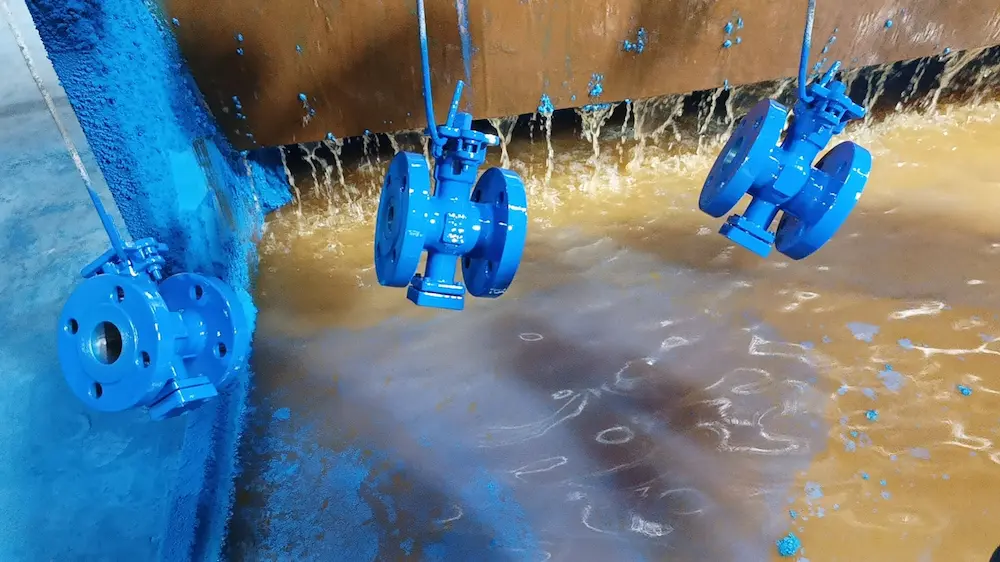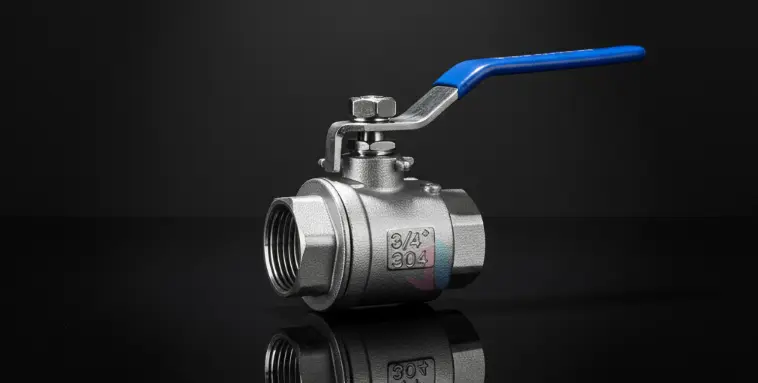

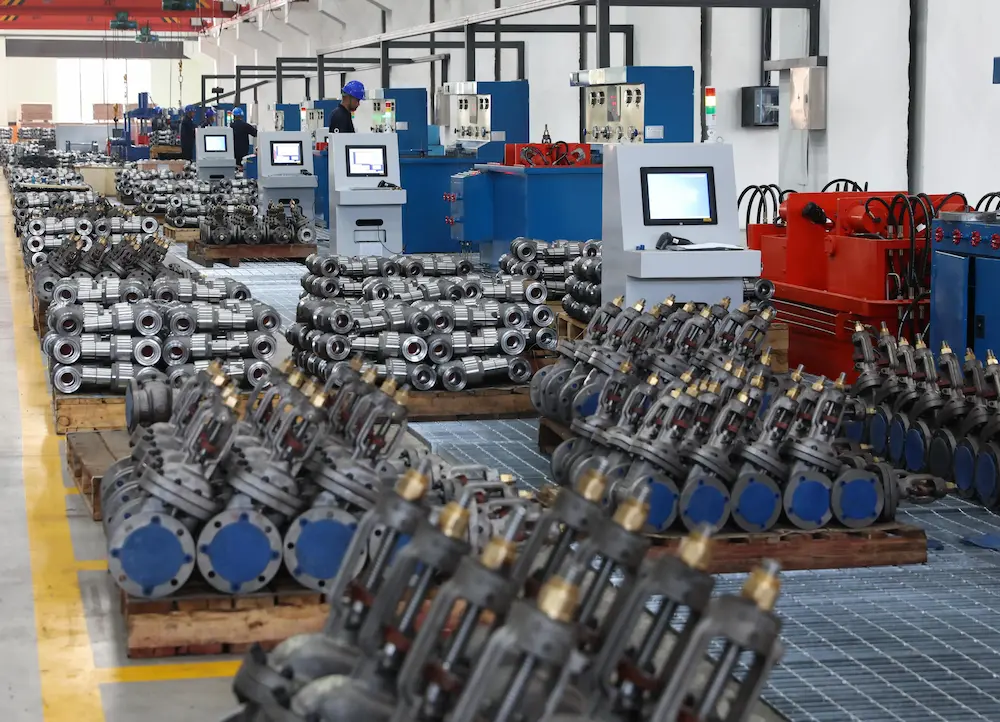
ZPVE industrial ball valve for oil, gas and chemical process pipelines

Ball Valve Manufacturer for Oil, Gas and Process Pipelines

A ball valve shuts off or throttles flow with a quarter turn of a bored ball inside the body. ZPVE builds floating and trunnion mounted ball valves in cast and forged construction, to GB, API, ASME, ANSI, JIS, BS and DIN standards.

We build trunnion mounted ball valves for high-pressure and large-bore duty, floating ball valves for standard and mid-pressure lines.

Full & Reduced Bore Two port sizes built to the same body
Floating & Trunnion Two structures for low to high pressure duty
Cast & Forged Body Body construction matched to size and pressure
7 Standards GB, API, ASME, ANSI, JIS, BS, DIN
Ball valve selection guide

How to Select a Ball Valve by Duty

We build ball valves across five structural choices. Match your pressure class, bore size, maintenance plan and flow path to the table below.

Decision Choose When to Use
01Structure Floating Ball seals against the downstream seat under line pressure
Trunnion Mounted Ball fixed top and bottom, seat carries the sealing load. High pressure and large bore
02Port Full Port Bore equal to pipe ID. Pigging lines, minimum pressure drop
Reduced Port Bore one size down from pipe ID. Standard on-off duty, lower cost
03Body Cast WCB / CF8 / CF8M Mid to large bore, complex body shapes
Forged A105 / F316 Small bore, high pressure. Solid grain resists shock loading
04Assembly One-Piece Sealed single casting. Lowest cost, not field-serviceable
Two-Piece Body and end connector bolted. Opens for limited in-place maintenance
Three-Piece Center section removes without disturbing end connectors. In-line maintenance
05Flow Path Two-Way Standard isolation and on-off duty
Three-Way / Four-Way Diverting, mixing or bypass. Port pattern confirmed against piping schematic
Design Standards 7 GB · API · ASME · ANSI · JIS · BS · DIN
Pressure Class 150–2500 1.0 – 42.0 MPA
Size Range DN8–DN1200 3/8″ – 48″
Temperature Range −196° to 570°C SOFT SEAT TO METAL SEAT
Materials and seat options

Ball Valve Materials and Seat Options

Body material follows the medium, not the pressure class. We cast WCB bodies for water and steam service, CF8 and CF8M for corrosive and chloride-bearing media, and duplex 2205 where chloride content runs high.

Seat material follows temperature and chemical exposure. PTFE and RPTFE cover standard chemical service, PEEK holds up at higher temperature, and a metal seat takes over where the media is abrasive or exceeds soft seat limits.

Body Material by Medium
WCB Water, steam, general service
CF8 Mild corrosive, food and pharma lines
CF8M Chloride-bearing media, seawater
LF2 Low-temperature and cryogenic service
Duplex 2205 High-chloride, highly corrosive media
Ball and Stem

We machine the ball from the same grade as the body, so the wetted surfaces share one corrosion allowance.

Carbon steel balls take a hard chrome plate over the sealing surface, raising surface hardness and cutting wear from repeated cycling. Stainless and duplex balls run unplated.

The stem is machined in the same grade as the ball, with a blowout-proof shoulder retained inside the body.

Seat and Seal Material
PTFE −20° to 180°C, general chemical service
RPTFE Glass or carbon filled, higher seat load
PEEK Up to 260°C, higher pressure duty
Metal Seat Abrasive media or above soft seat limits
Stem Packing

We pack the stem in PTFE for standard service, sealing without added maintenance across the seat temperature range above.

Graphite packing replaces PTFE where the line runs hotter than a soft seat can hold, matched to a metal-seated ball on the same order.

Operation and End Connections

How We Fit Ball Valves
for Operation and Pipe Connection

Operating method sets how the valve opens and closes. End connection sets how it joins the pipe. Both are confirmed against your line before we quote.

Operation

End Connections

Manual lever operated ball valve 01 · Manual Lever

Direct hand operation for the smallest and most frequently switched valves.

  • Quarter turn from open to closed, no gearbox
  • Lever position shows valve status at a glance
  • Locking tab available for lockout-tagout
Gear operated ball valve 02 · Gear Operated

A handwheel and gear reduce the torque needed once the valve outgrows manual operation.

  • Fitted once bore size pushes lever torque too high
  • Handwheel turns confirm position without guesswork
  • Declutch lever available for manual override on motorized units
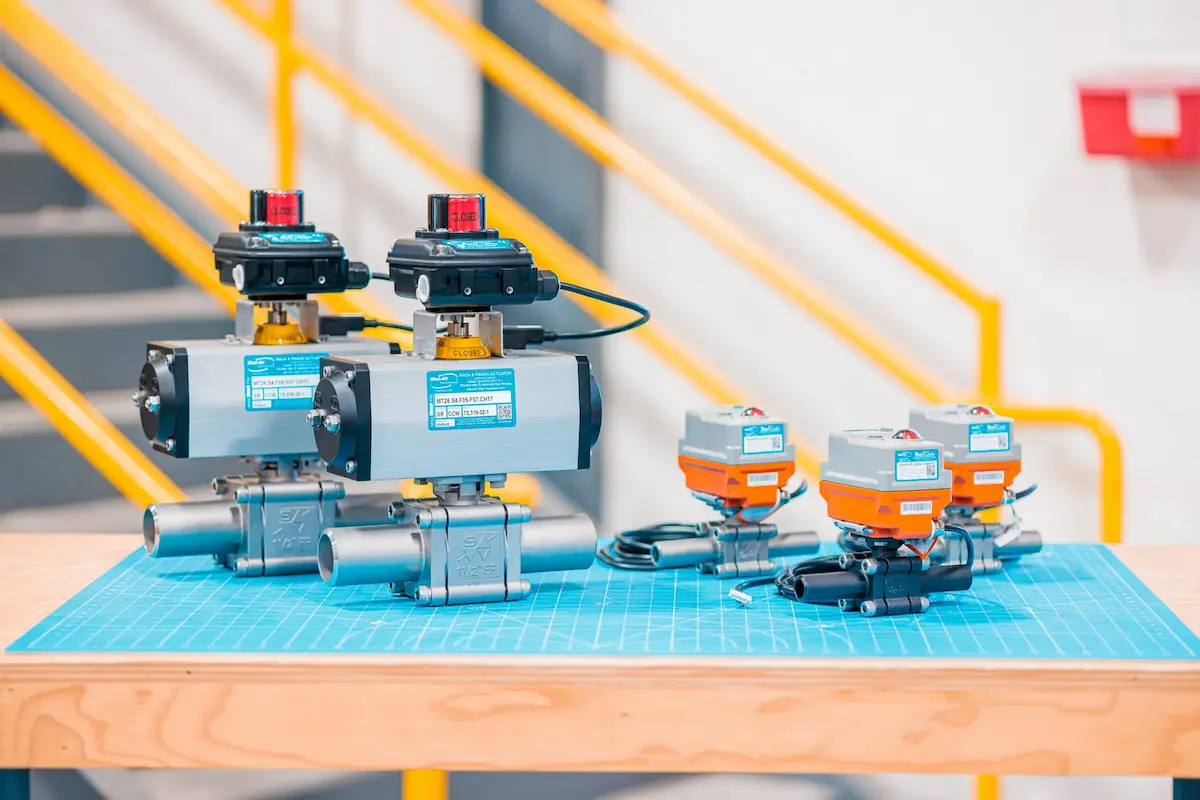
Pneumatic actuated ball valve 03 · Pneumatic

Compressed air drives the actuator for remote or automated on-off duty.

  • Double-acting or spring-return fail-safe configurations
  • Runs from existing plant instrument air
  • Positioner available for feedback to a control system
Electric actuated ball valve 04 · Electric

A motorized actuator opens and closes the valve without a compressed air supply.

  • Local pushbutton or remote signal control
  • Position feedback and torque limit switches included
  • Suited to sites without instrument air infrastructure
Hydraulic actuated ball valve 05 · Hydraulic

Hydraulic pressure delivers the torque for the largest and highest-pressure valves.

  • Fitted where pneumatic or electric torque output falls short
  • Runs from a dedicated hydraulic power unit
  • Common on large bore pipeline isolation valves
Flanged end ball valve 06 · Flanged

Bolted flange faces connect to the pipe and come apart for maintenance.

  • RF, FF and RTJ faces available
  • Matched to the pipe flange rating on your order
  • Standard choice for valves that need periodic removal
Threaded end ball valve 07 · Threaded

NPT or BSP threads connect directly into the pipe on small bore lines.

  • Lower installation cost than flanged or welded ends
  • Common on small bore instrument and utility lines
  • Not intended for lines needing frequent disassembly
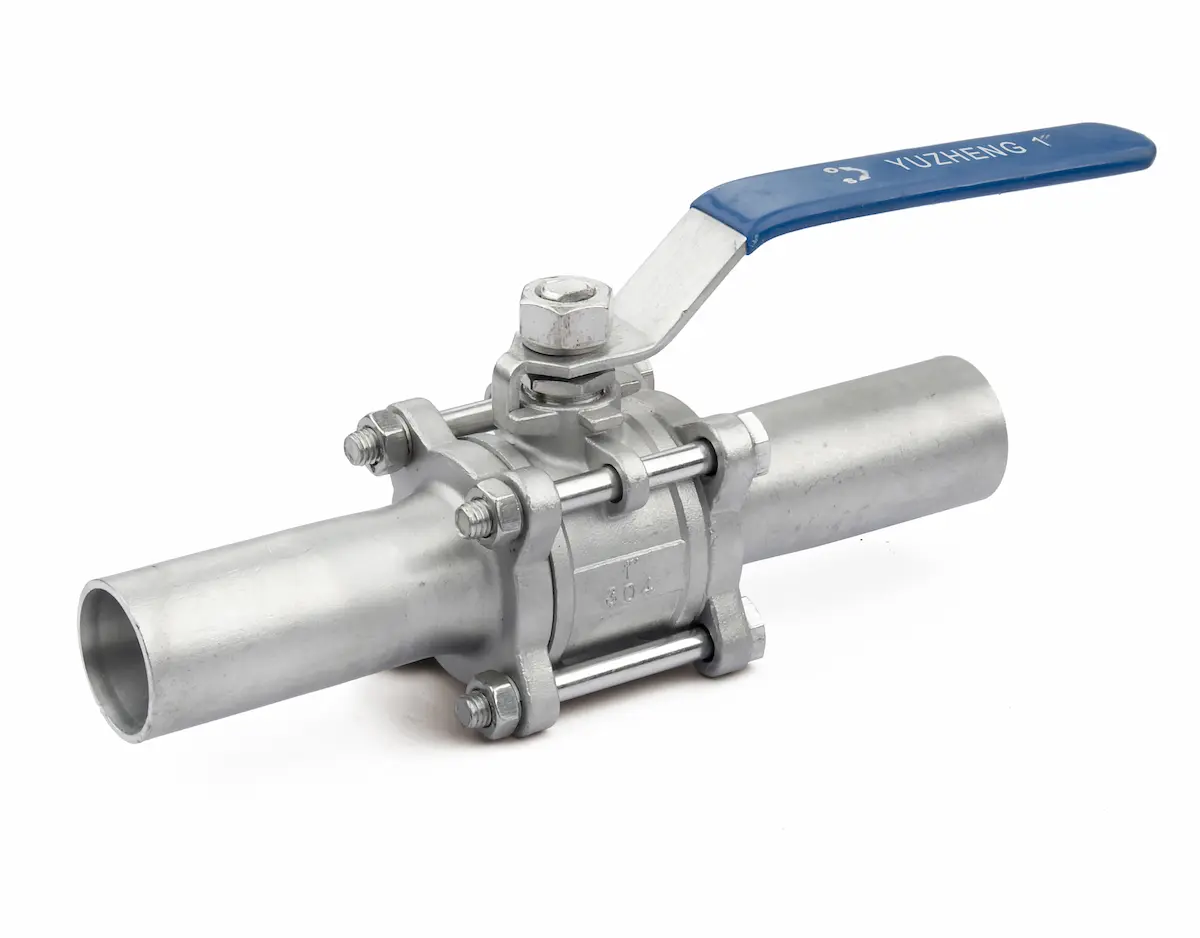
Butt weld end ball valve 08 · Butt Weld

The valve welds directly into the pipeline for a permanent, leak-tight joint.

  • Used on high-pressure and leak-critical service
  • Bevel prepared to match the pipe schedule
  • No gasket or thread in the joint
Socket weld end ball valve 09 · Socket Weld

The pipe fits inside a machined socket and is fillet welded in place.

  • Small bore, high-pressure permanent joint
  • Faster to weld than a butt weld on small sizes
  • Socket depth matched to the pipe schedule

Manufacturing and Testing

How We Manufacture and Test Ball Valves

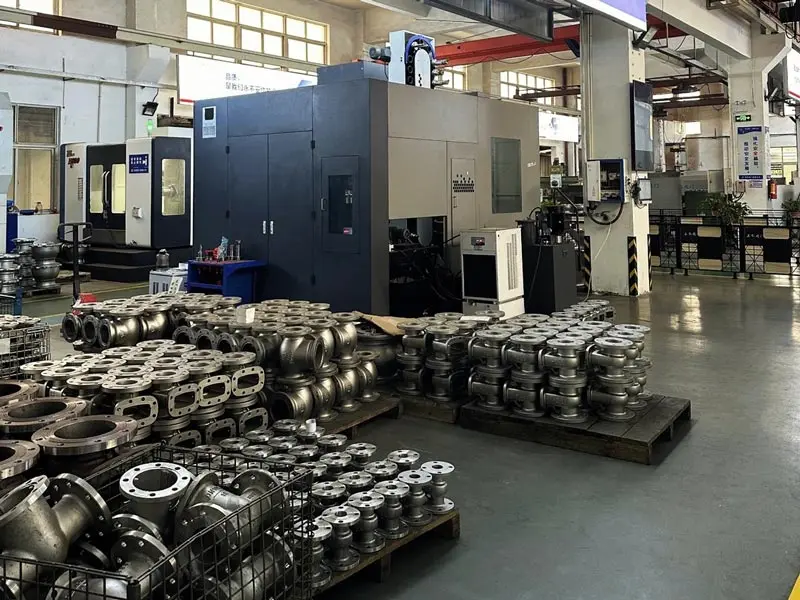
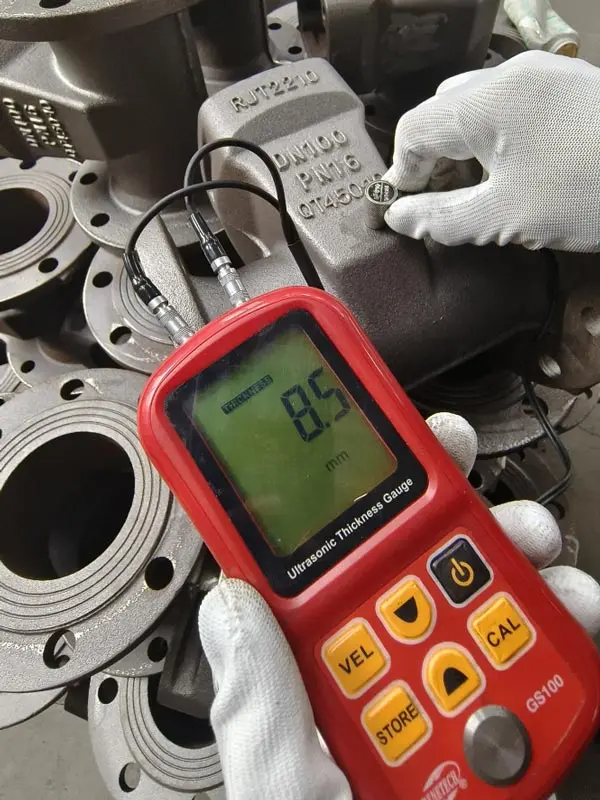
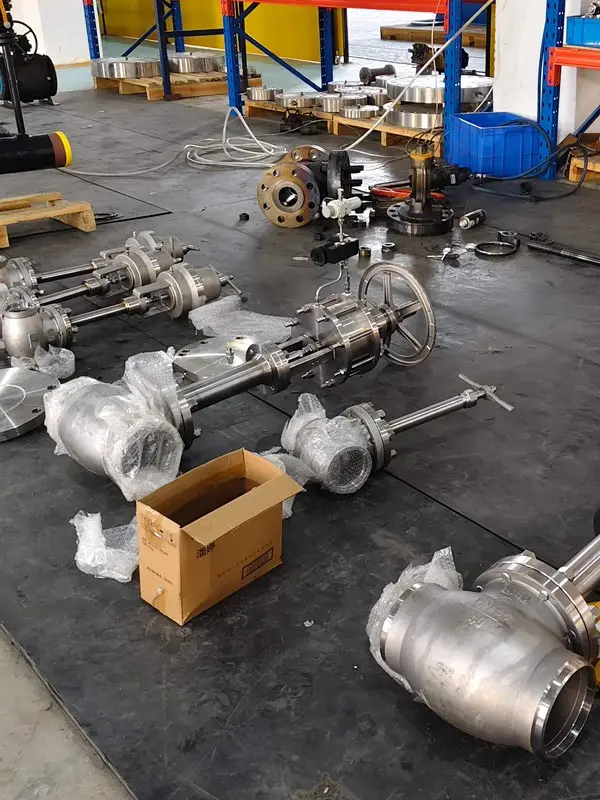
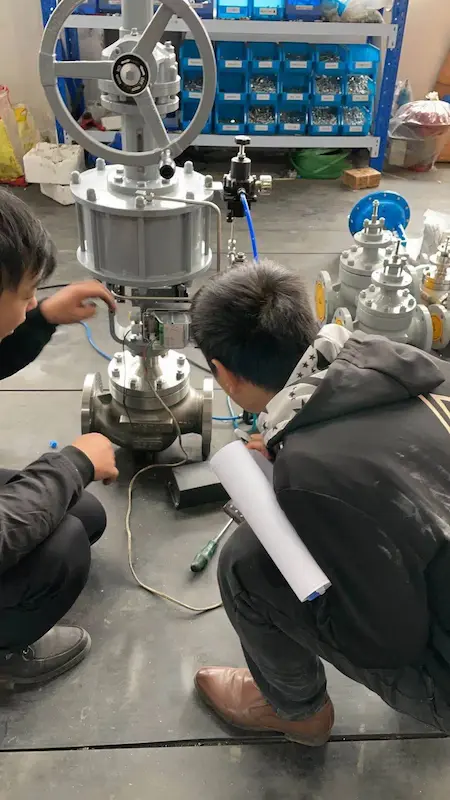
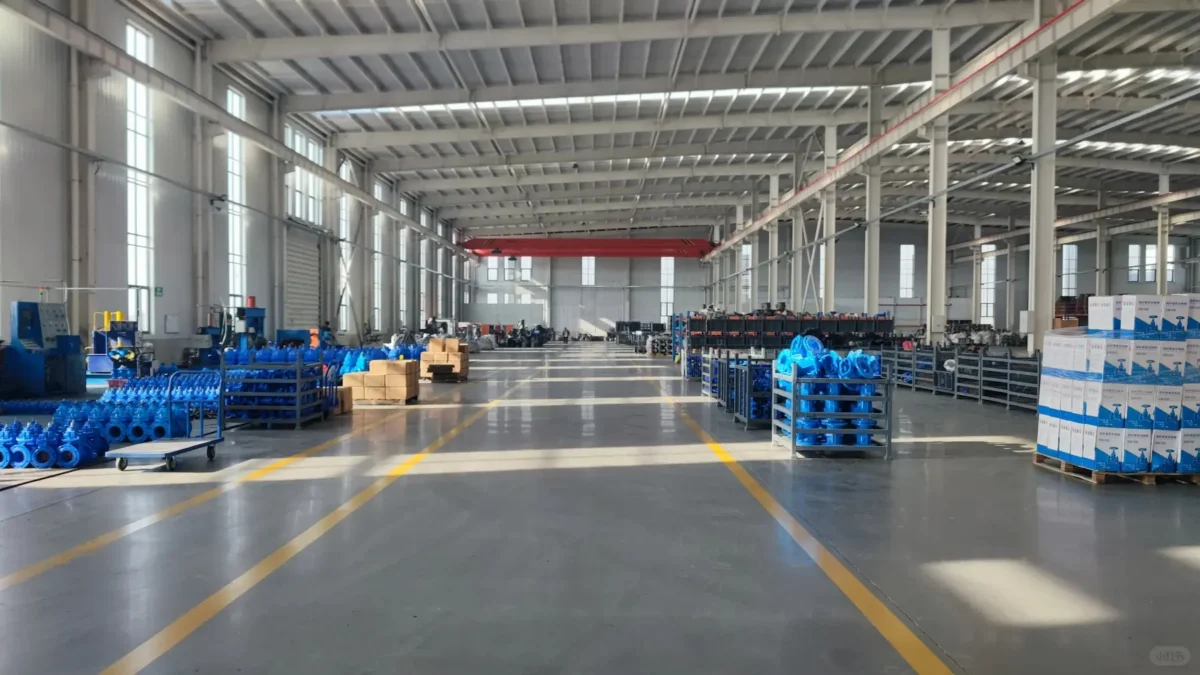
Every ball valve is machined, assembled and pressure tested in our own workshop. Test records travel with the valve.

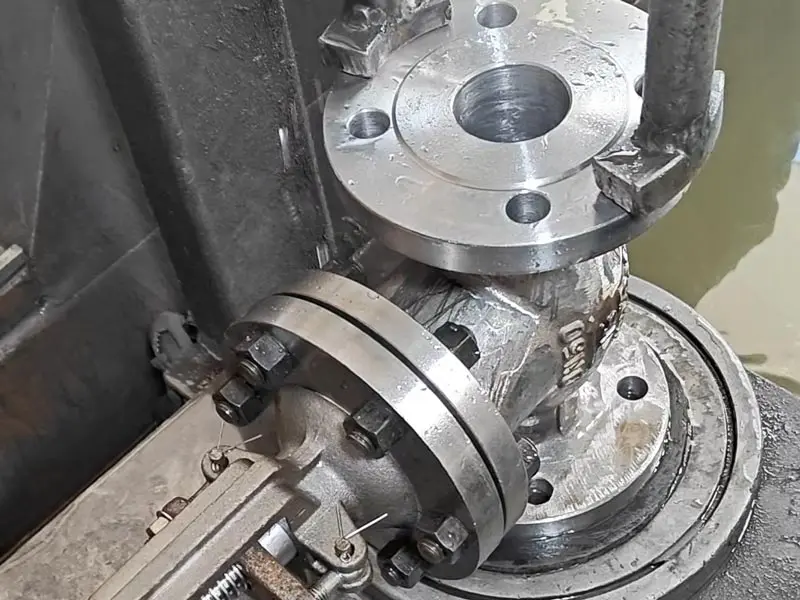
CNC machining of ball valve bodies in the ZPVE workshop
In-House Production

We Machine, Assemble and Test on Our Own Floor

No subcontracted machining. No third-party assembly.

100% Shell and Seat Tested Every valve, every order, before packing
Test Standards
  • API 598Valve inspection and testing
  • API 6DPipeline valve specification
  • ASME B16.34Valve pressure and temperature ratings
  • API 607Fire-safe test for soft-seated valves
  • ISO 15848Fugitive emission test
Ball valve hydrostatic pressure test rig

Hydrostatic Shell Test

Body held at 1.5x rated pressure with no visible leakage.
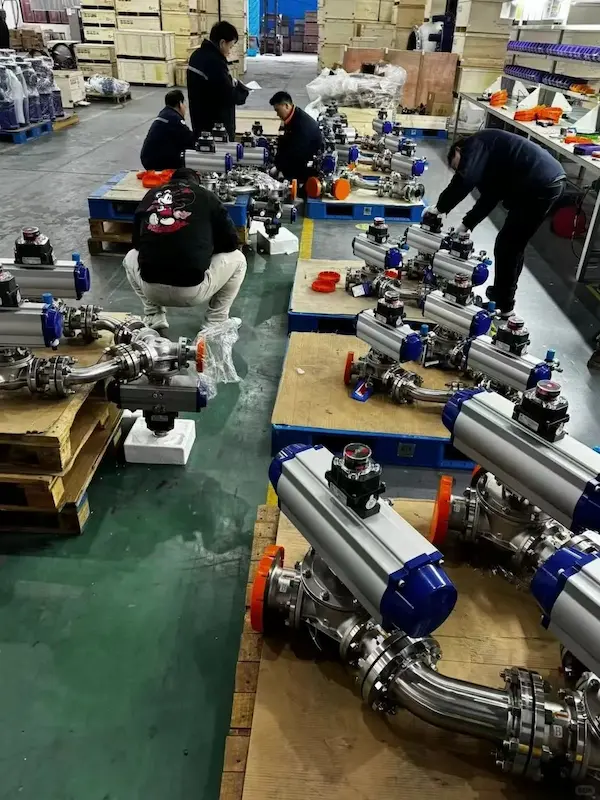
Production Sequence
  1. 01Raw material verified against the mill certificate
  2. 02Body, ball and stem machined to the pressure class
  3. 03Ball surface ground and lapped to the seat
  4. 04Assembly with in-process dimensional checks
  5. 05Shell, seat and torque testing
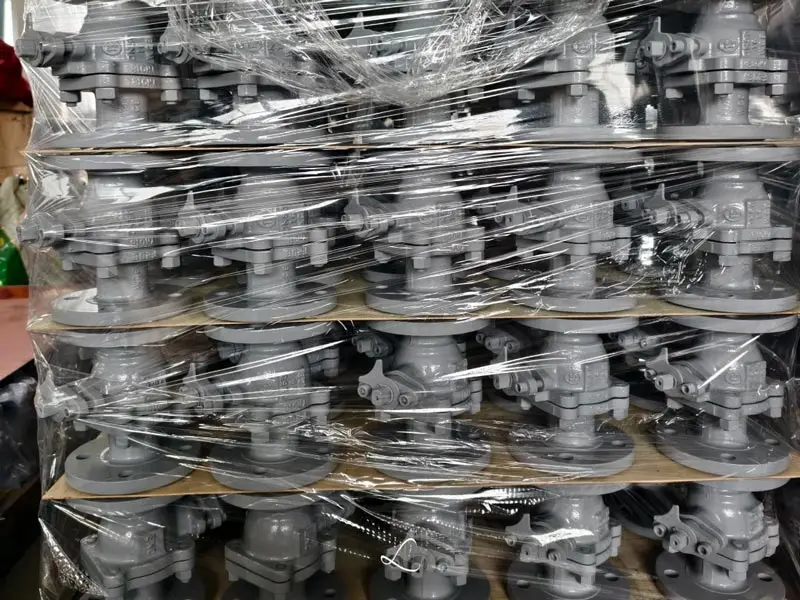
  6. 06Marking, painting and export packing
Ball valve assembly and inspection station

Seat Tightness Test

Each ball checked closed from both flow directions.

Shipped With Every Order
  • Material test certificate
  • Hydrostatic test report
  • Dimensional inspection record
  • Certificate of conformity

Third-party inspection accepted on buyer nomination.

Equipment and Inspection
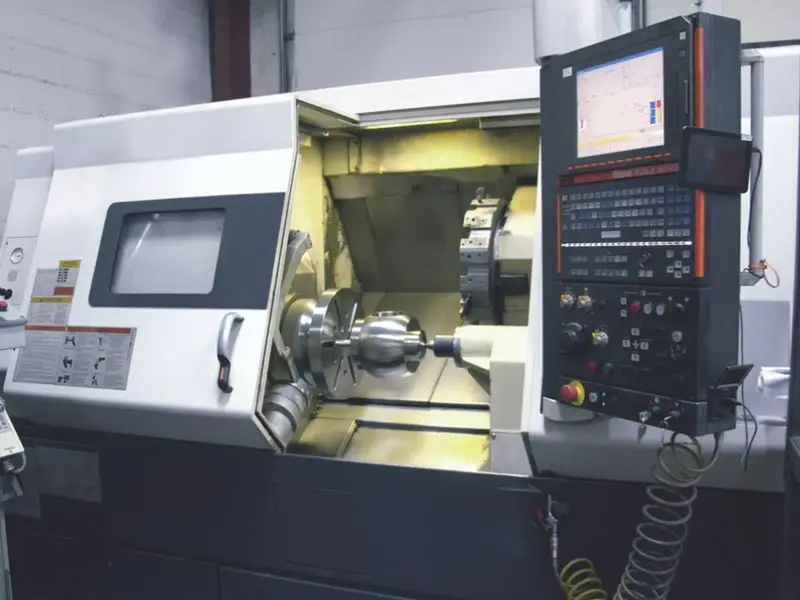
Machining, testing and inspection equipment kept on our own production floor.

CNC lathe machining valve bodies
Vertical machining center
Ball grinding and lapping machine
Hydrostatic test bench
Gas seat tightness test rig
Material spectrometer for alloy verification
Coordinate measuring machine
Hardness testing equipment
Valve torque test bench
Nameplate marking station

Ball Valve Applications by Industry

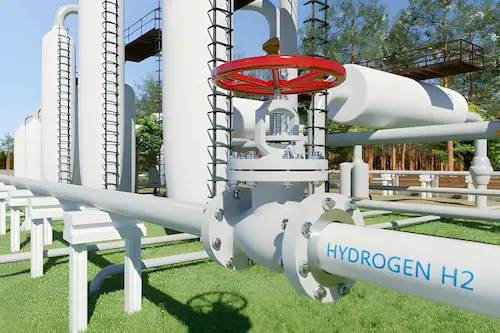
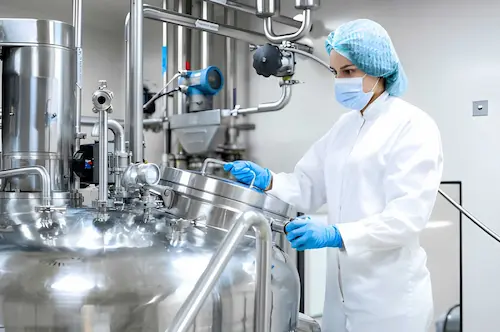
Oil and gas and chemical processing need pressure containment and corrosion resistance. Pharma, food and beverage need a cleanable, contamination-free bore. Renewable energy and HVAC systems need reliable shutoff with low maintenance.
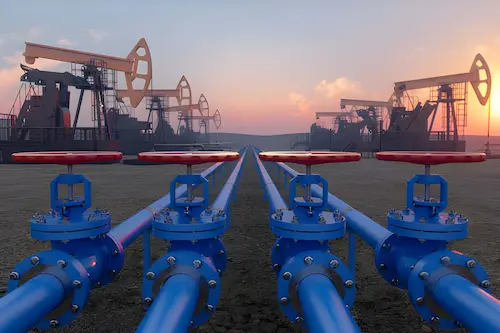
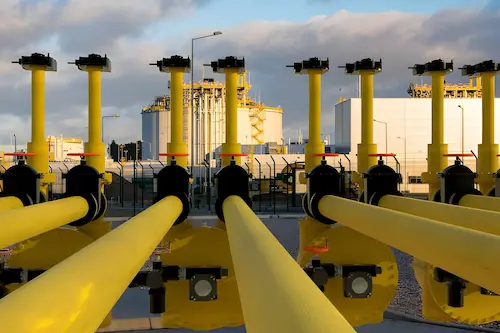
Certification and documentation requirements differ by sector. Tell us your industry and we confirm the applicable material and test standard.
Valve Comparison

Ball Valve vs Butterfly, Gate, Globe, Check and Control Valves

We build all six types. This table sets out where each one fits on the same pipeline.

Criteria Ball Valve Butterfly Valve Gate Valve Globe Valve Check Valve Control Valve
Operation Quarter turn, fast Quarter turn, fast Multi-turn, slow Multi-turn, slow Automatic, no actuator Automatic, pilot actuated
Shutoff Bubble-tight, bidirectional Good, not bidirectional bubble-tight Bubble-tight, bidirectional Tight, built for throttling One direction only Tight when closed
Flow Resistance Open None on full port Slight, disc stays in the bore None High, S-shaped flow path Low to moderate Moderate, by design
Installation Length Medium Shortest, compact Longest Long Compact Medium to long
Best Duty Frequent on-off, tight shutoff Large diameter, space-limited lines Infrequent operation, straight isolation Frequent throttling and regulation Backflow prevention Automatic pressure or flow control
Typical Use Isolation, batch and CIP lines Water, HVAC, large process lines Long-term isolation, minimal pressure drop Steam lines, flow control duty Pump discharge protection Pressure reducing stations, level control
FAQ

Ball Valve FAQs

01 What is your minimum order quantity for ball valves?

MOQ depends on the valve size, structure and specification. Send us your requirement and we confirm a minimum order quantity with the quotation.

02 Can you manufacture ball valves to a custom drawing or specification?

Yes. Send your drawing, datasheet or valve list and we confirm the build against it before quoting.

03 Do you offer OEM branding?

Yes. We supply OEM ball valves under your brand name, nameplate and export packaging specification.

04 What is your standard lead time?

Lead time depends on order size, valve structure and whether the specification is standard or custom. We confirm a delivery date with every quotation.

05 Do you stock spare parts?

Spare parts availability depends on the valve structure and seat material. Confirm your valve model with us and we advise on parts and lead time.

06 What is your warranty policy?

Warranty terms are confirmed with your quotation and depend on the valve specification and application. Ask us for the terms that apply to your order.

07 How long do ball valves last?

Service life depends more on seat material, media and cycling frequency than on the valve itself. Expect a decade or more in clean, infrequently cycled service; abrasive media or high-cycle duty shortens that. We match seat and body material to your operating conditions before quoting.

Request a quote

Request a Valve Quotation

Send us the medium, size and pressure for your project. Our engineers reply with a valve recommendation, a datasheet and a quotation.

  • Quote within 24 hours for standard items, three working days for custom specifications
  • Factory-direct pricing, with no trading company margin
  • Non-standard sizes, materials and end connections accepted
  • Third-party inspection welcome before shipment

Prefer email or WhatsApp? lucas@gtfm.net · +86 182 0323 5561

ZPVEVLAVE · Industrial Valve Manufacturer

Get Your Quotation Within 24 Hours

Contact ZPVEVLAVE for industrial valve enquiries, technical information, project quotations and ordersupport.

WhatsApp

+86 18203235561

Email

lucas@zpvevlave.com