Industrial Valve Manufacturing
Industrial Valve Manufacturer And Supplier
ZPVE manufactures gate, globe, ball, butterfly, check and hydraulic control valves from DN6 to DN3000, in carbon steel, stainless steel and special alloys, for EPC contractors, MRO buyers and distributors.
Send your drawing, specification sheet or valve list. Every line item is checked for size, material, pressure class and connection type before we quote.
Request a QuotationIndustrial Valve Types
Line function, working medium, pressure class, pipe diameter and actuation method determine the valve type. Compare the six product families below before fixing the piping specification or bill of materials.
Butterfly Valve
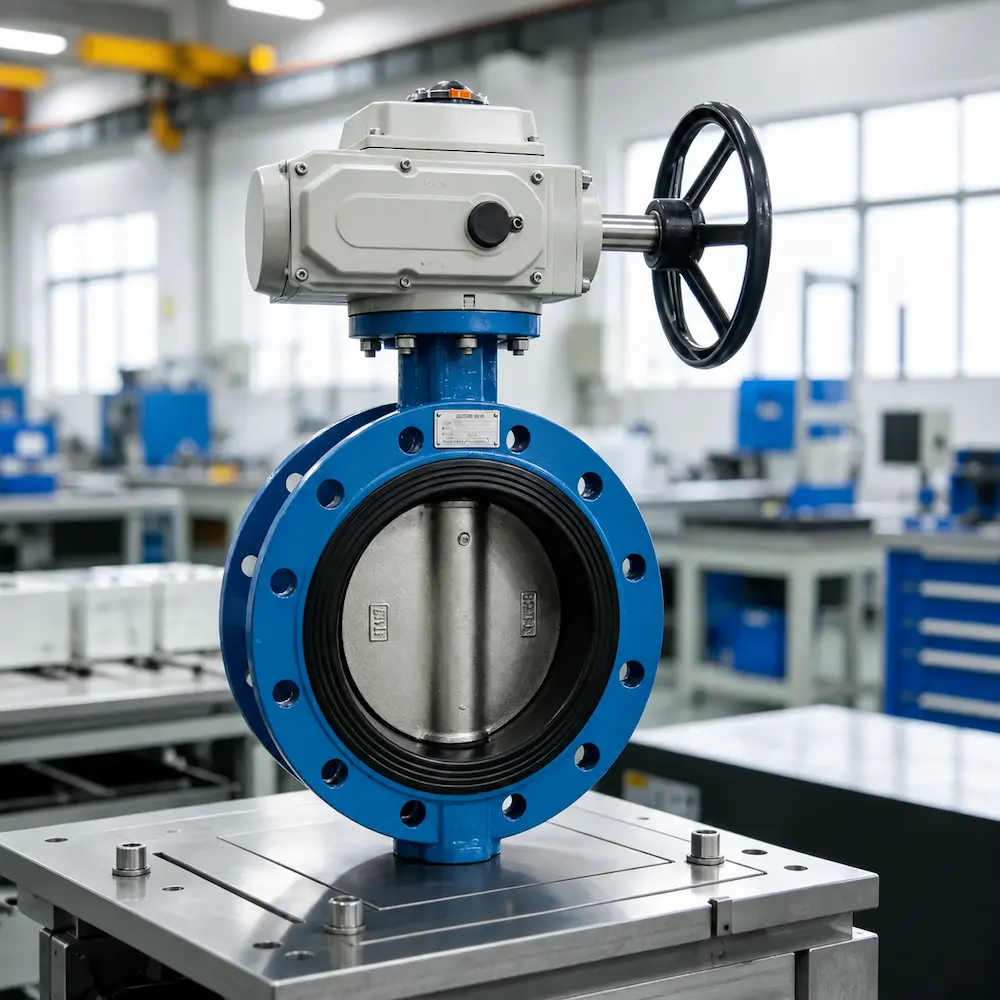
A short face-to-face length and a quarter-turn disc keep operating torque low on a butterfly valve, which is why the same body takes manual, gear, electric or pneumatic operation without a redesign. Large-diameter water, wastewater and HVAC lines specify it first when installation space and valve weight are the limiting factor.
Ball Valve
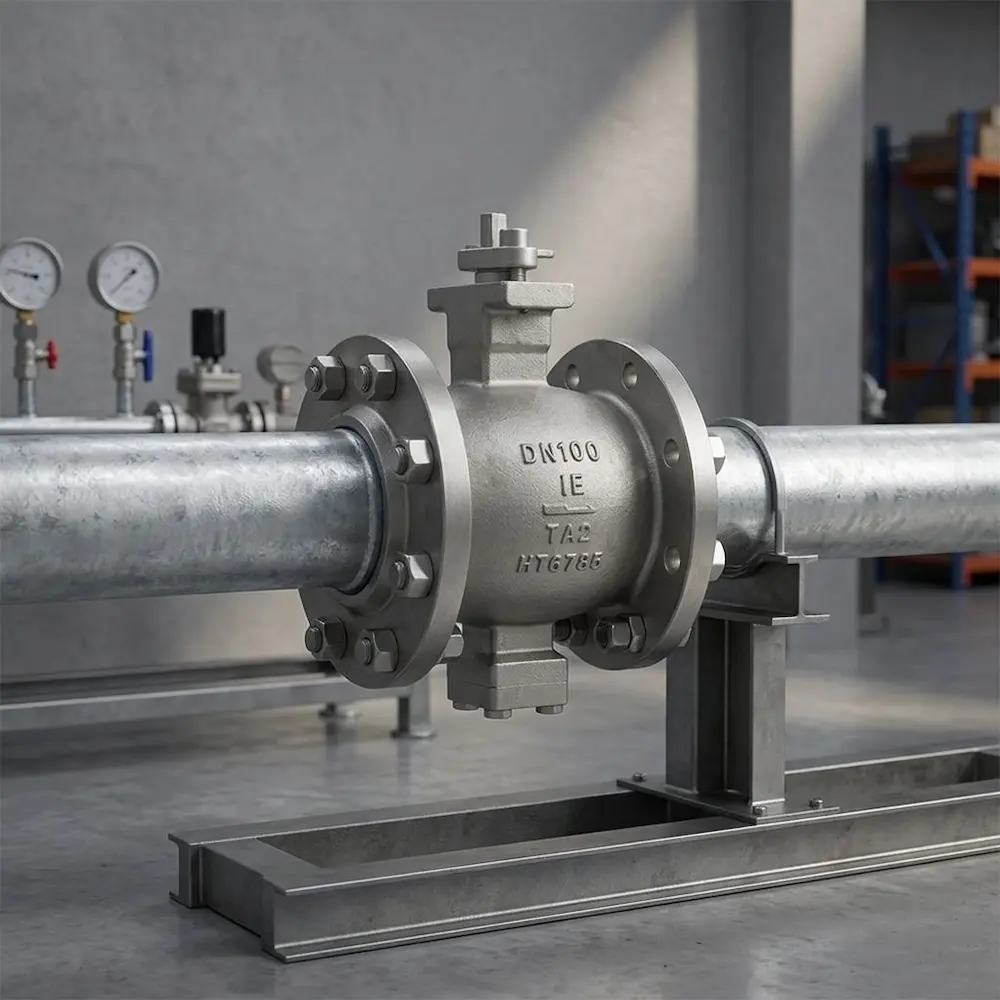
Repeated on-off duty on oil, gas, chemical and process lines calls for bubble-tight shut-off, and a full-bore ball delivers it without narrowing the flow path. Pressure drop across an open valve stays close to that of the bare pipe.
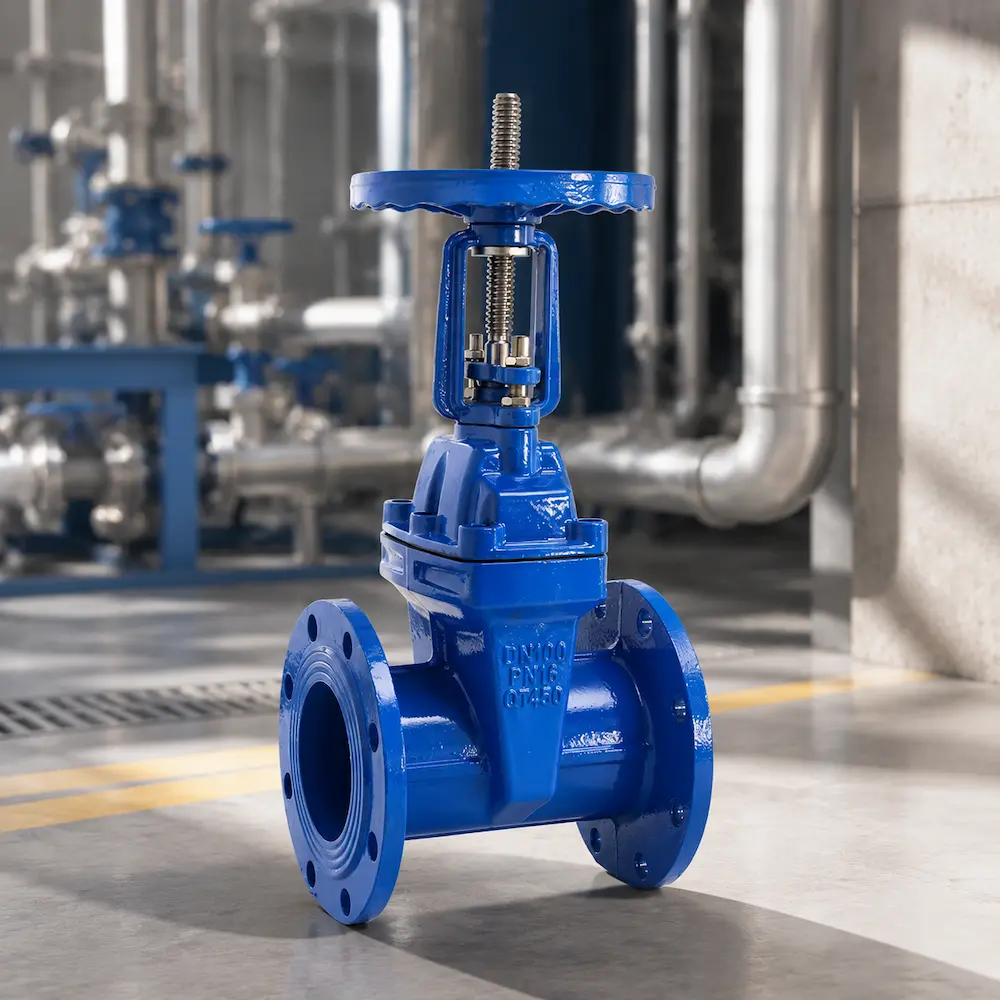
Gate Valve
Water supply mains, fire lines and municipal networks keep a gate valve fully open or fully closed for long periods, never partway. The wedge lifts clear of the bore when open, leaving an unobstructed passage through the valve.
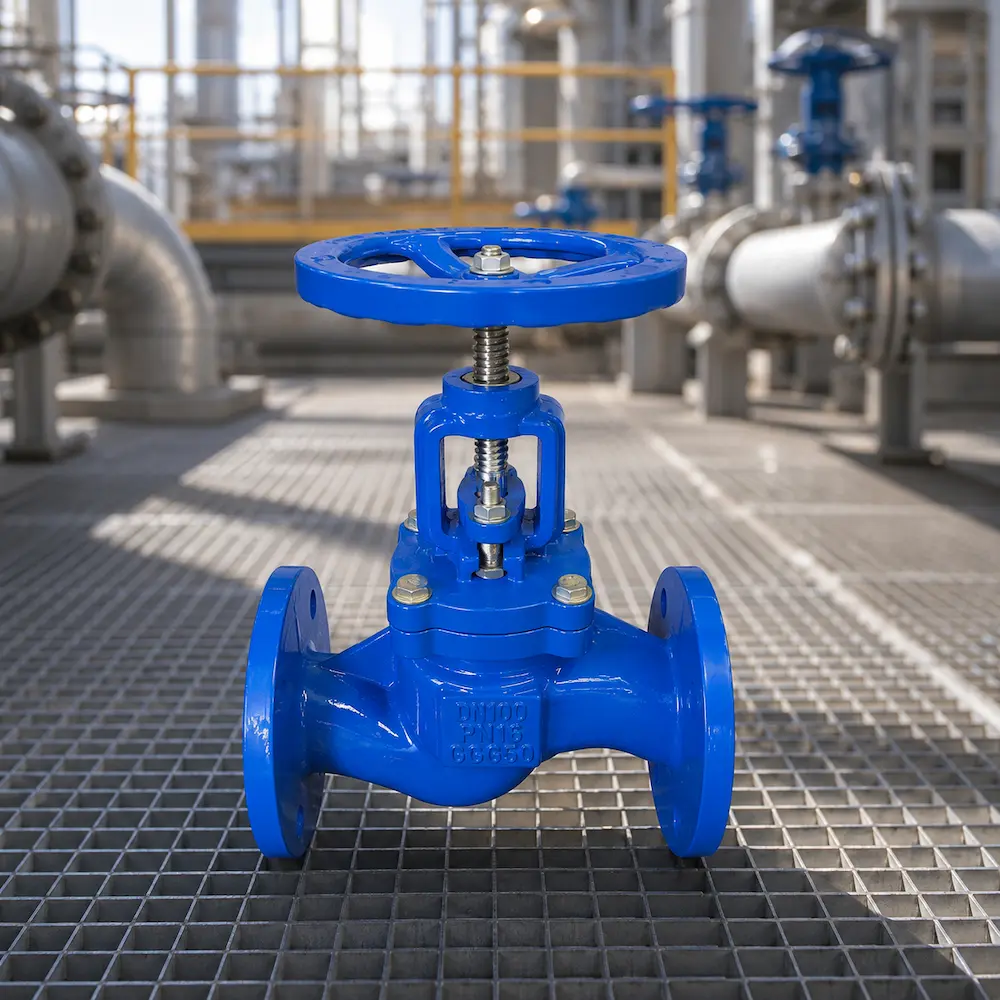
Globe Valve
A gate or a standard ball valve only does fully open or fully shut; a globe valve holds anything in between. The disc moves perpendicular to the seat, so steam, high-temperature and high-pressure lines gain stable throttling and a tighter seat than either alternative gives.
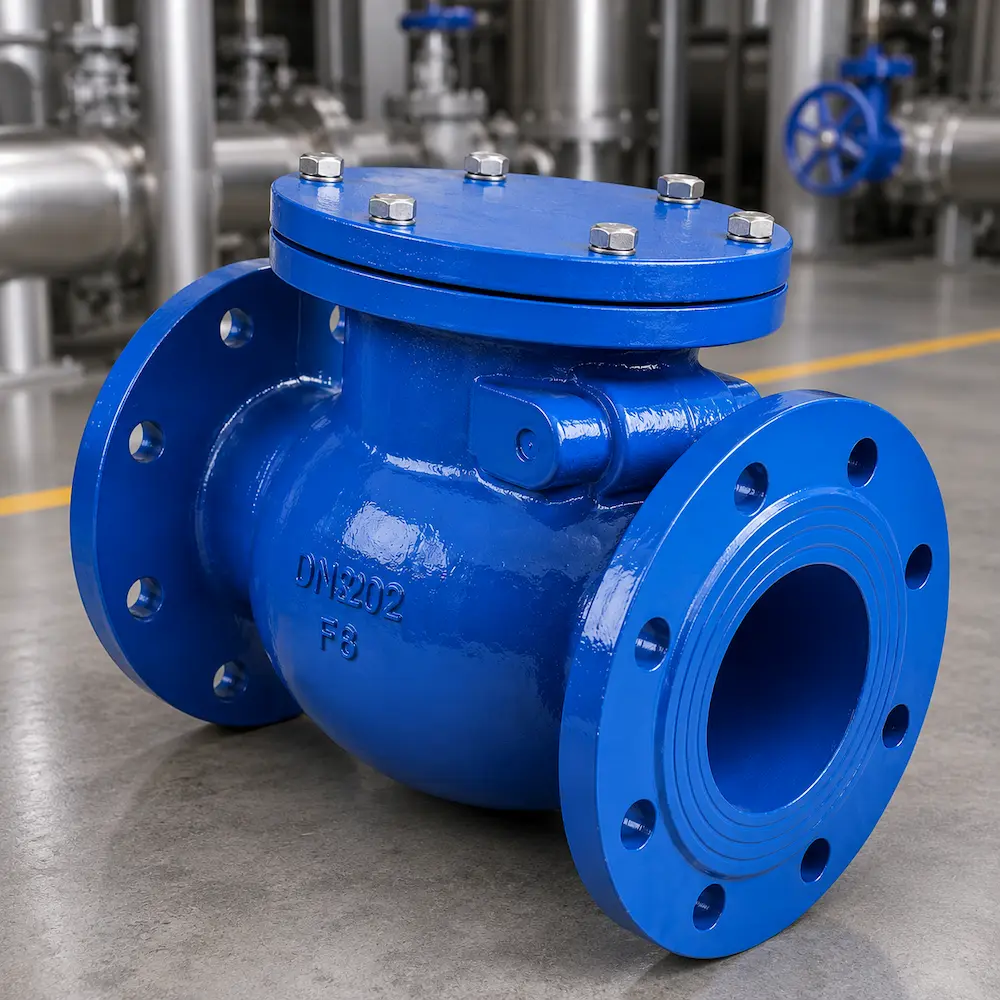
Check Valve
A check valve closes on the reverse flow itself, with no external signal and no power supply involved. Pumping stations, water mains and process lines install one downstream of every pump to stop backflow before it reaches the network.
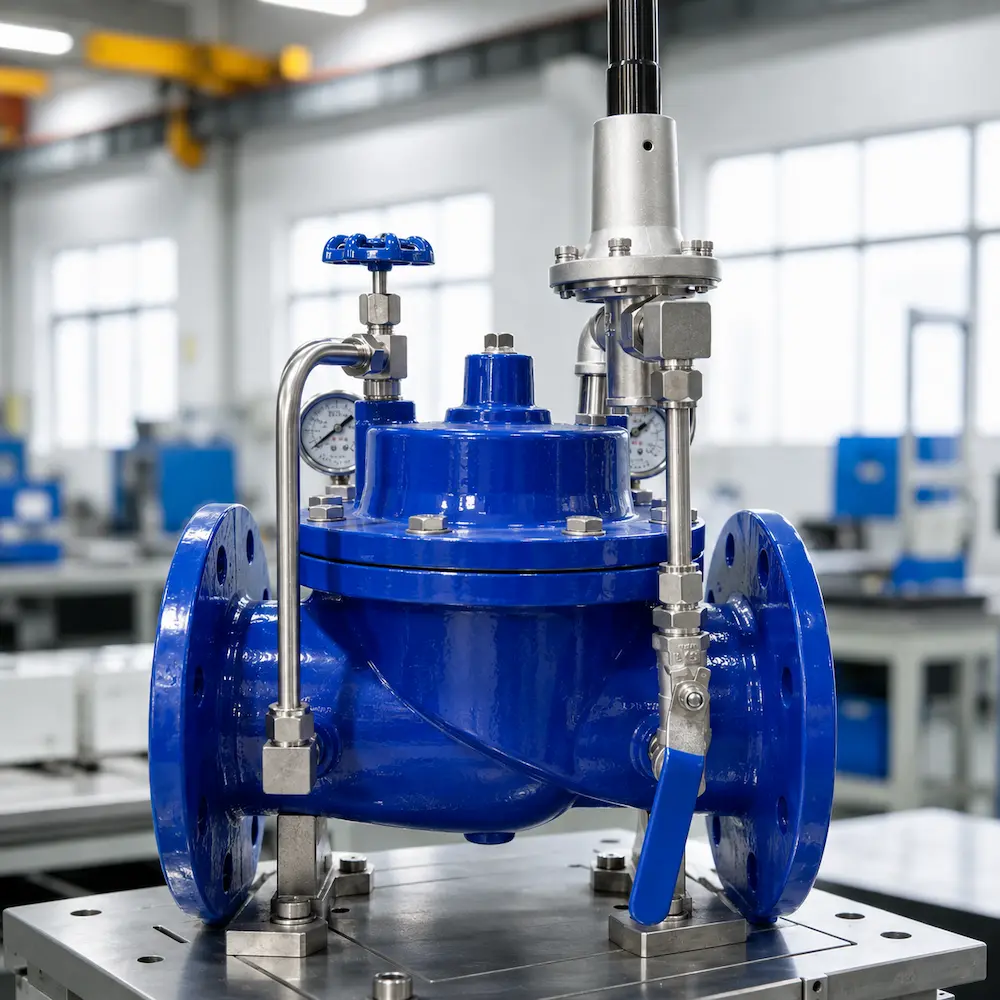
Hydraulic Control Valve
A pilot circuit uses line pressure itself to drive the main diaphragm on a hydraulic control valve, holding a set pressure, flow rate or reservoir level without any external power supply. Water distribution networks, irrigation systems and pump stations rely on that for automatic control.
Valve Customization Options
Working medium, line size, pressure class, sealing requirement and automation level shape the final valve configuration. Our engineering team works from your project drawings to adapt each of the areas below.
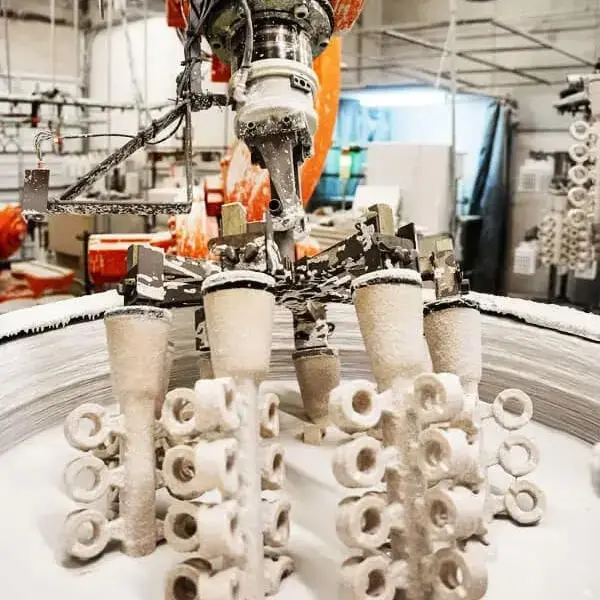
We manufacture valve bodies and trim across a full material range, matched to your medium and operating temperature.
- General water, oil and process duty Carbon steel, 304/316 stainless steel
- Chloride and sour gas service Duplex stainless steel, Monel
- Media that attacks standard steel on contact Titanium alloy
- High-temperature steam and power lines P91, P92, WCB, WC6, WC9
Valve Manufacturing Capability
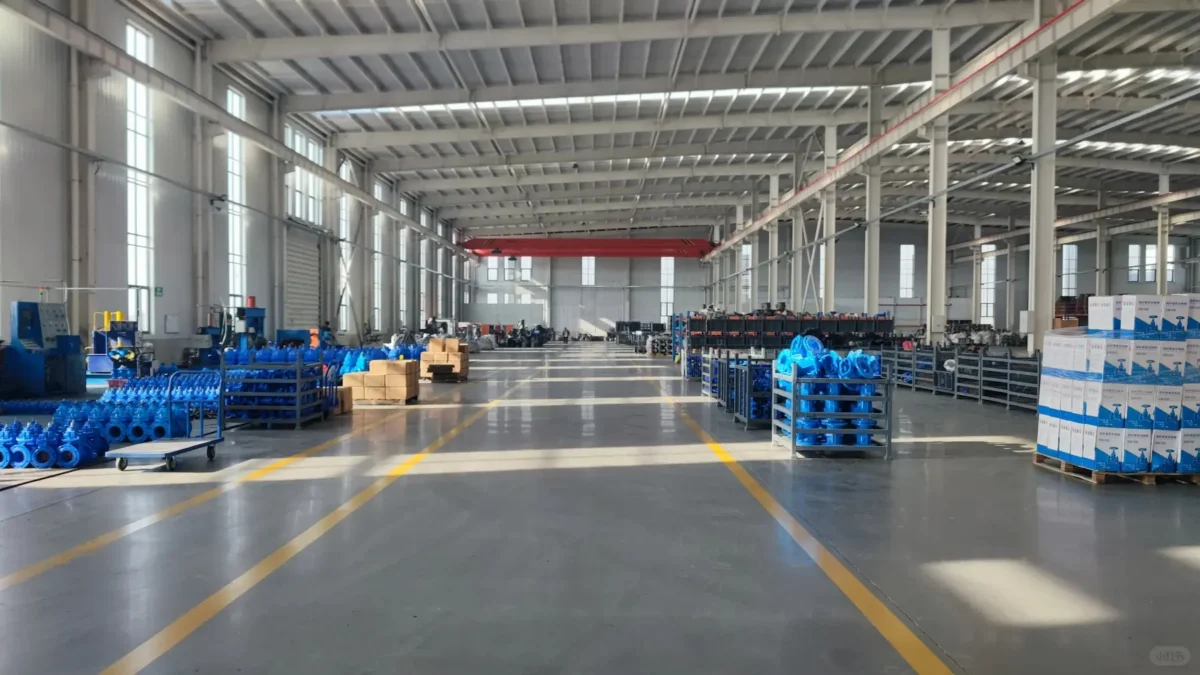
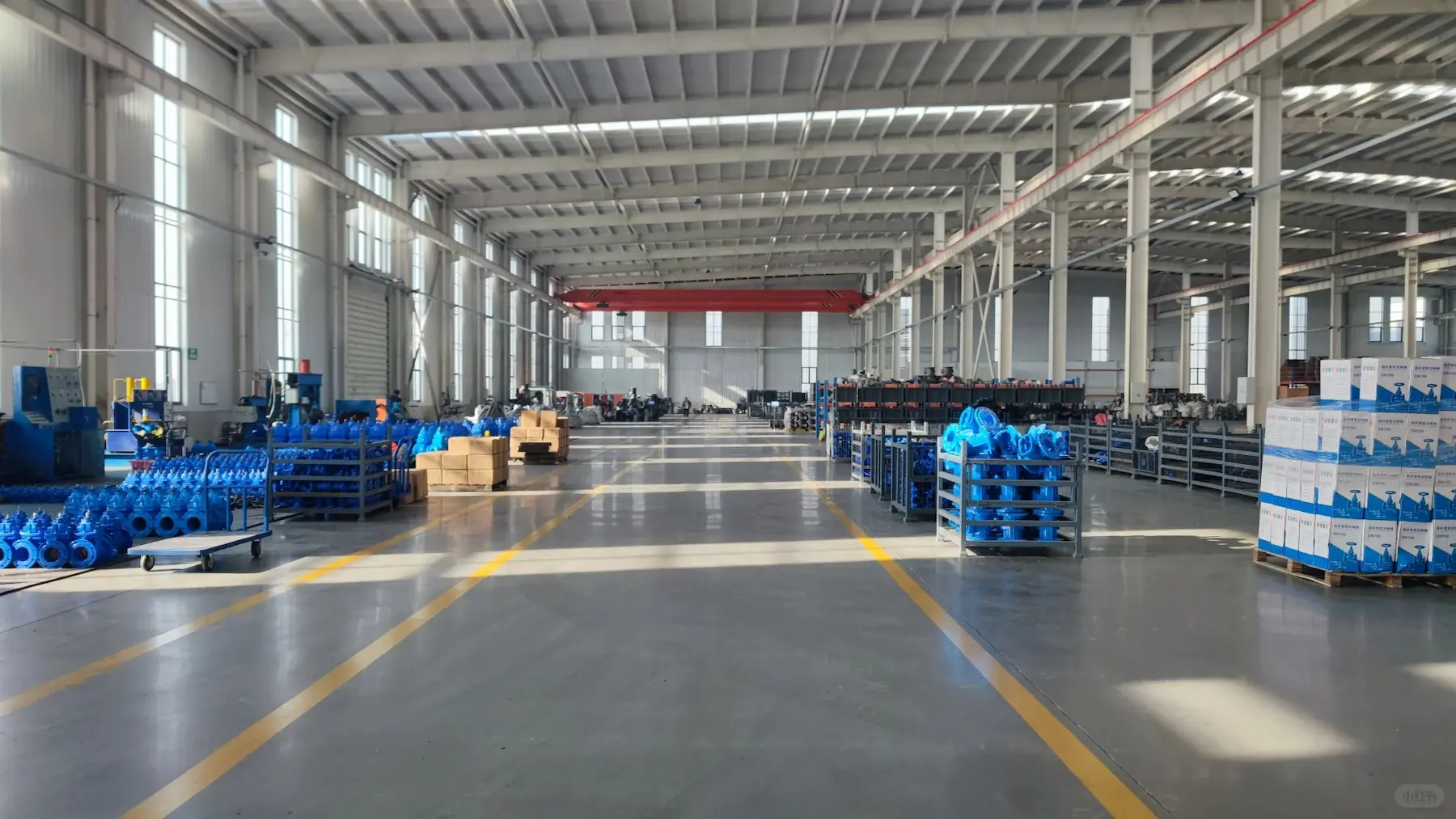
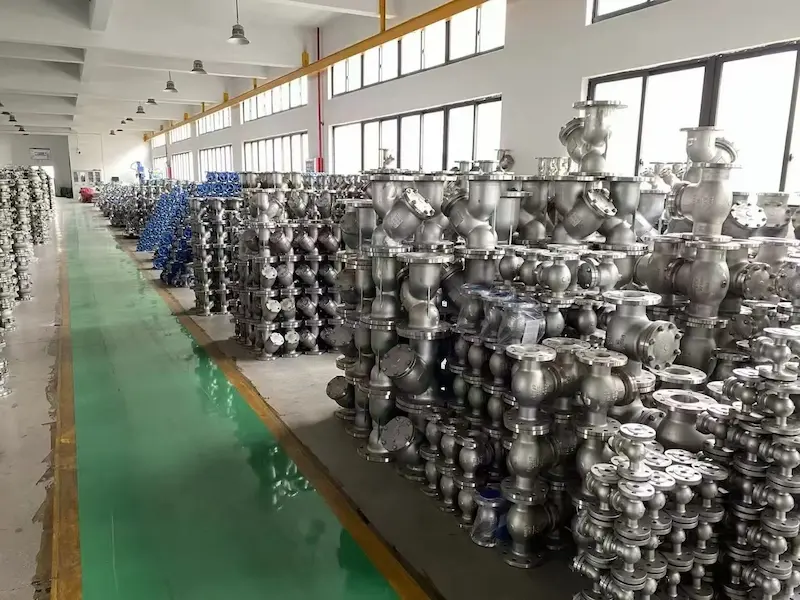
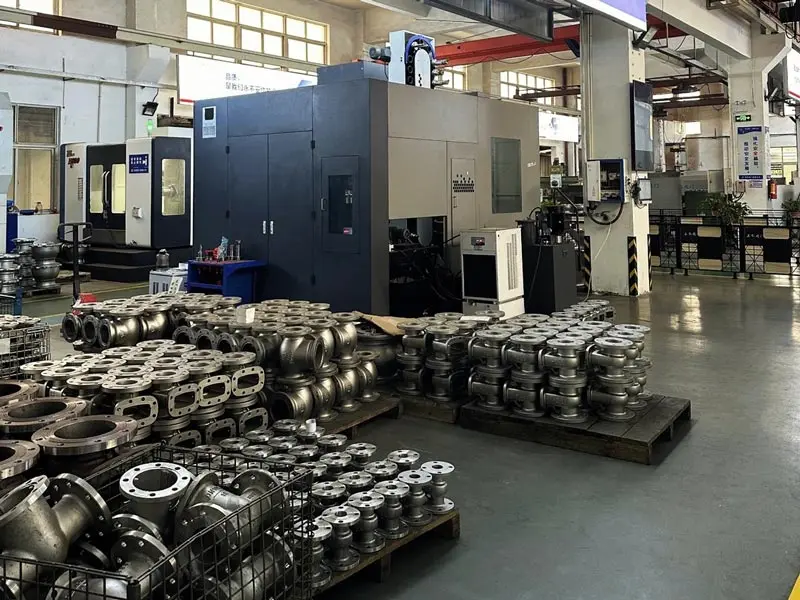
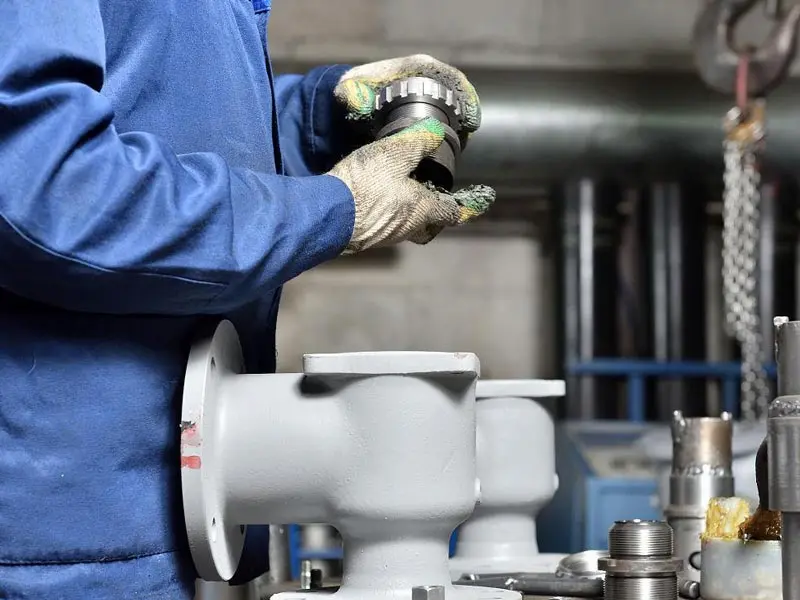
We coordinate the valve manufacturing workflow from material preparation and machining to assembly, adjustment, inspection and packing. Every valve is built to the approved material grade, pressure class and connection standard before it leaves the workshop.
 01
Material Prep
01
Material Prep
 02
Machining
02
Machining
 03
Assembly
03
Assembly
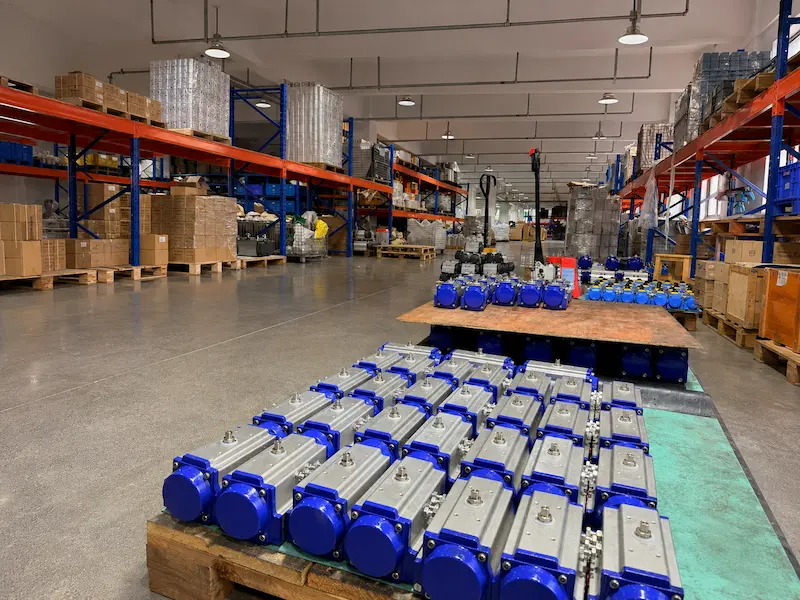 04
Actuation
04
Actuation
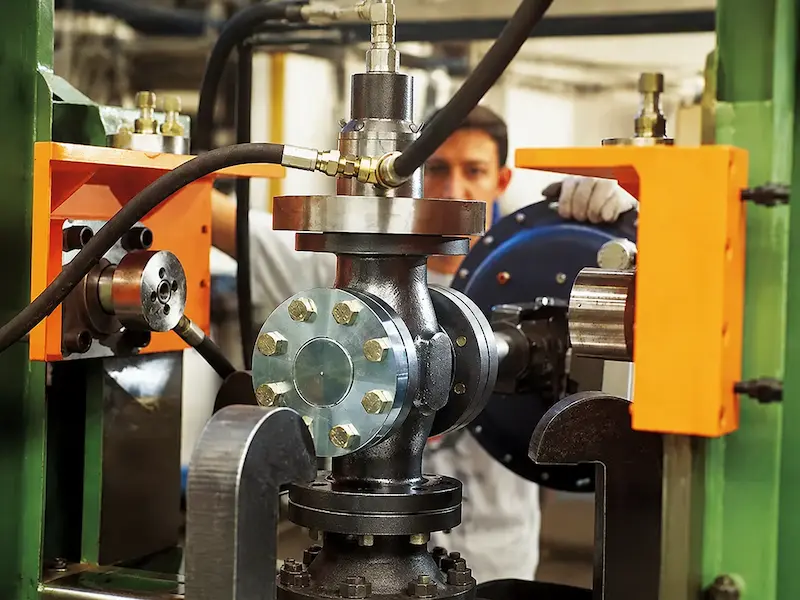 05
Adjustment
05
Adjustment
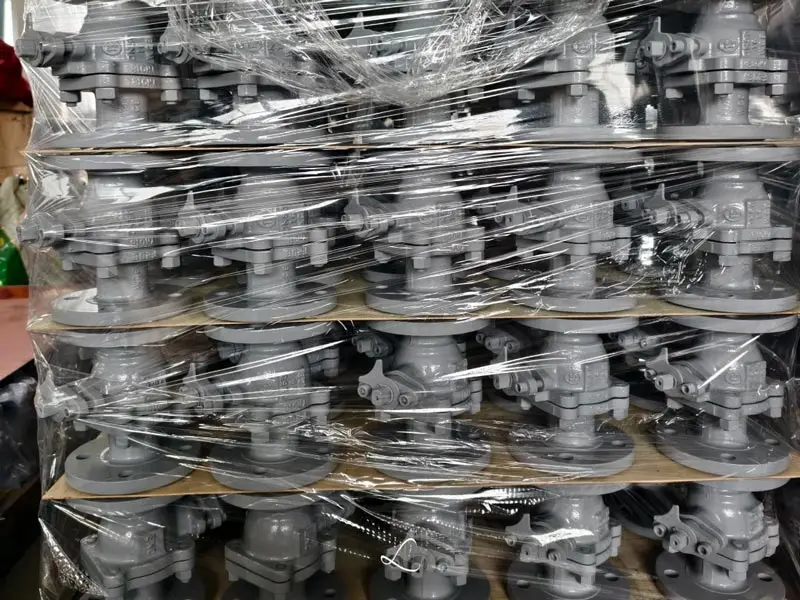 06
Inspection
06
Inspection
Quality Inspection Process
Valve quality depends on material conformity, pressure integrity, dimensional accuracy and consistent operation. The checks below cover the material, pressure and functional verification we can run before a valve ships, matched to the valve type and the project's inspection plan.
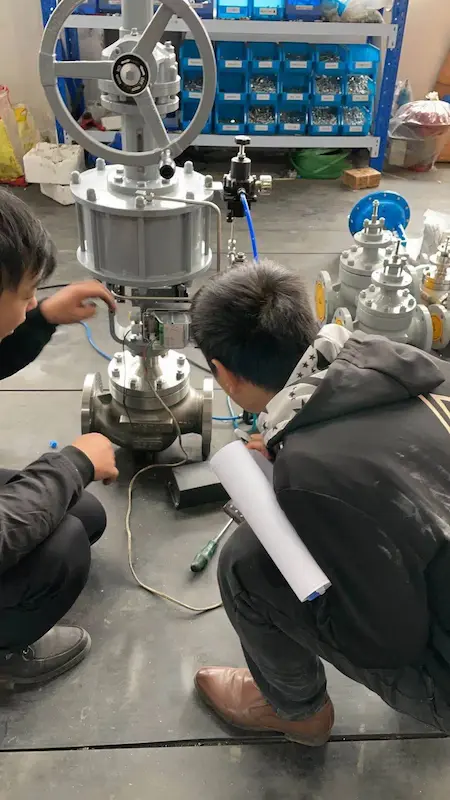
Verify Valve Operation Before Delivery
Every valve is cycled through a full open-close sequence and checked against rated torque and travel.
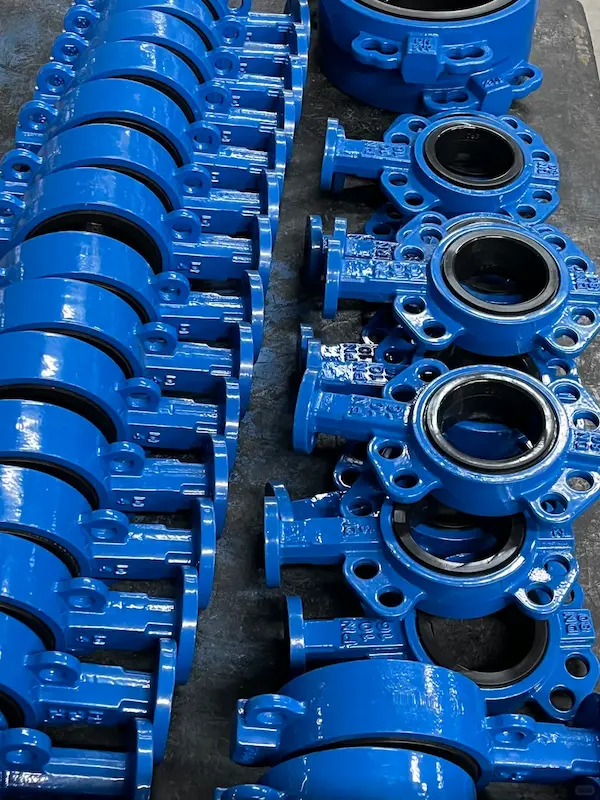
Confirm Material Grade and Reduce Procurement Risk
We verify the finished part's material composition against the certified mill test report.
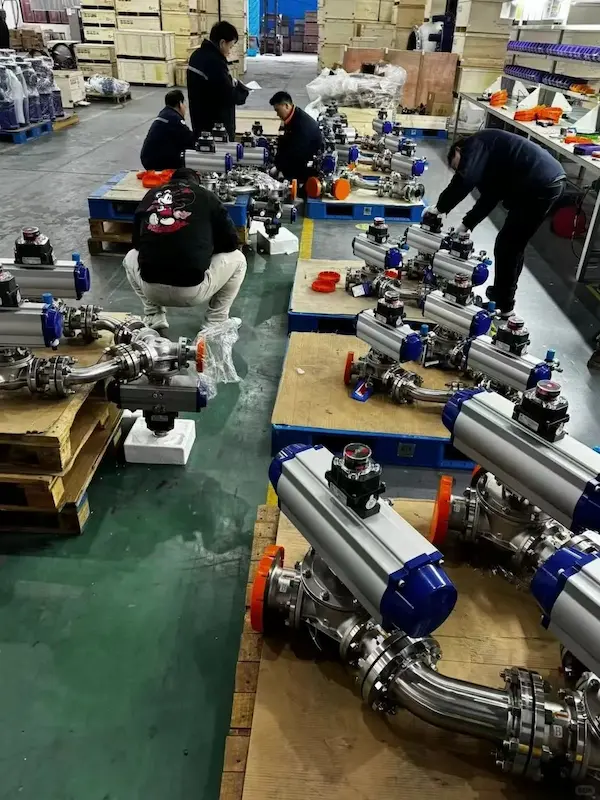
Check Pressure Strength and Sealing Reliability
Shell test at 1.5× rated pressure, seat leak test per API 598, with results logged per valve.
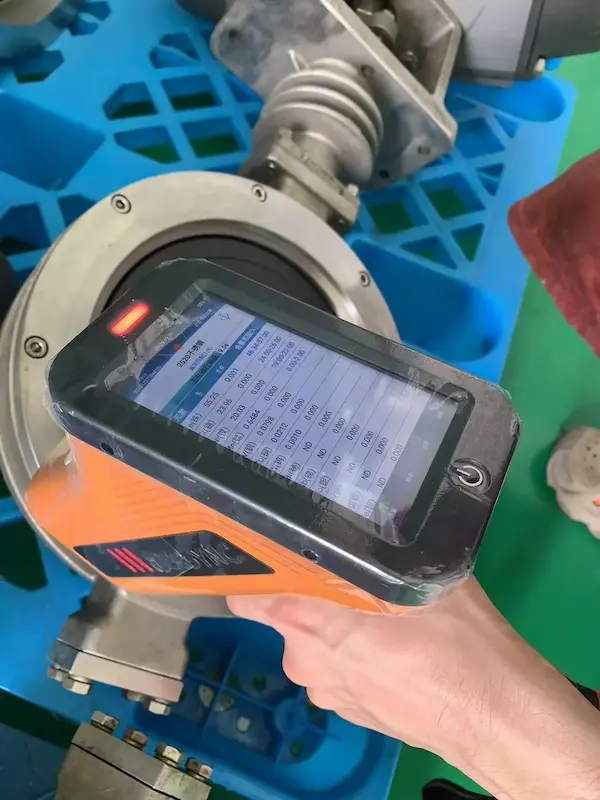
Improve Material Traceability for Project Orders
Spectrometer analysis on the finished part, cross-checked against heat number and material tag.
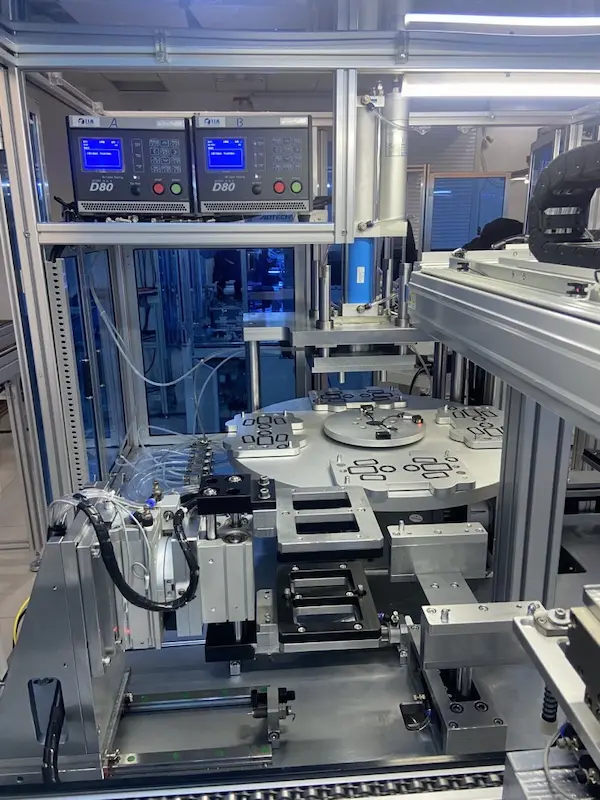
Control Assembly Accuracy and Valve Operation
Stem, bore and seat dimensions verified against the drawing; coaxiality checked during machining and assembly.
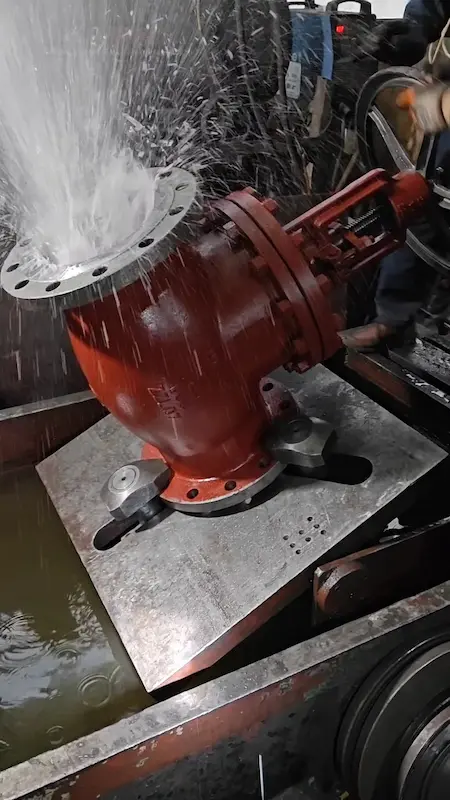
Review Long-Term Operation Reliability
Repeated open-close cycling confirms travel, torque and seating hold beyond the first stroke.
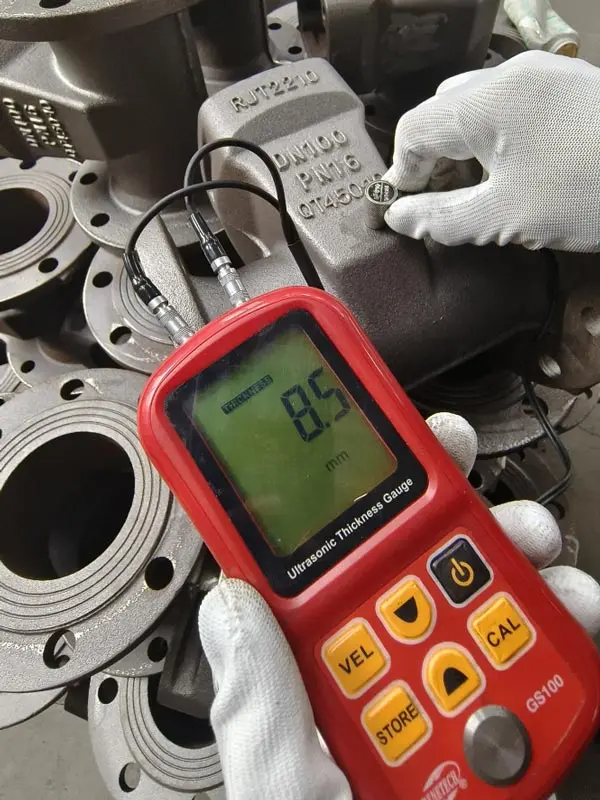
Confirm Wall Thickness and Casting Quality
Body wall thickness verified against the pressure class minimum, alongside visual and dimensional checks.
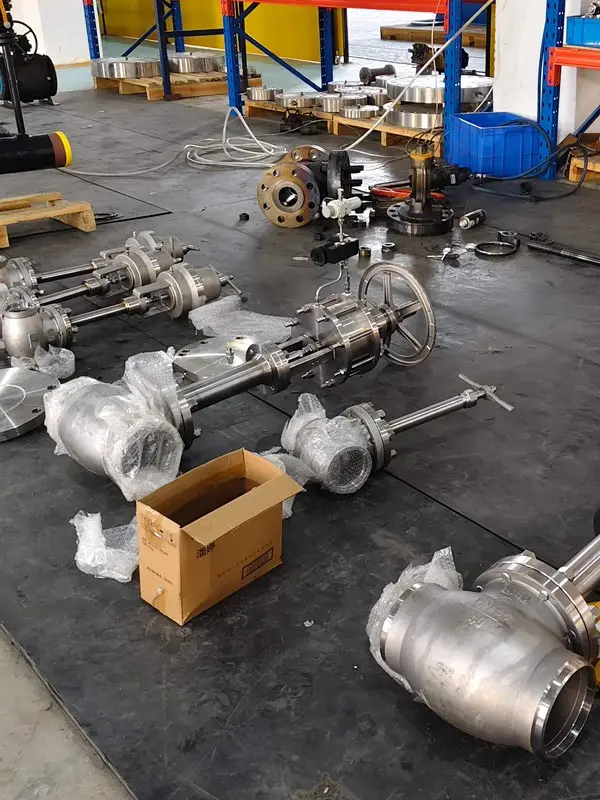
Verify Material Condition and Wear Resistance
Body and trim hardness checked against the range set by the material standard.