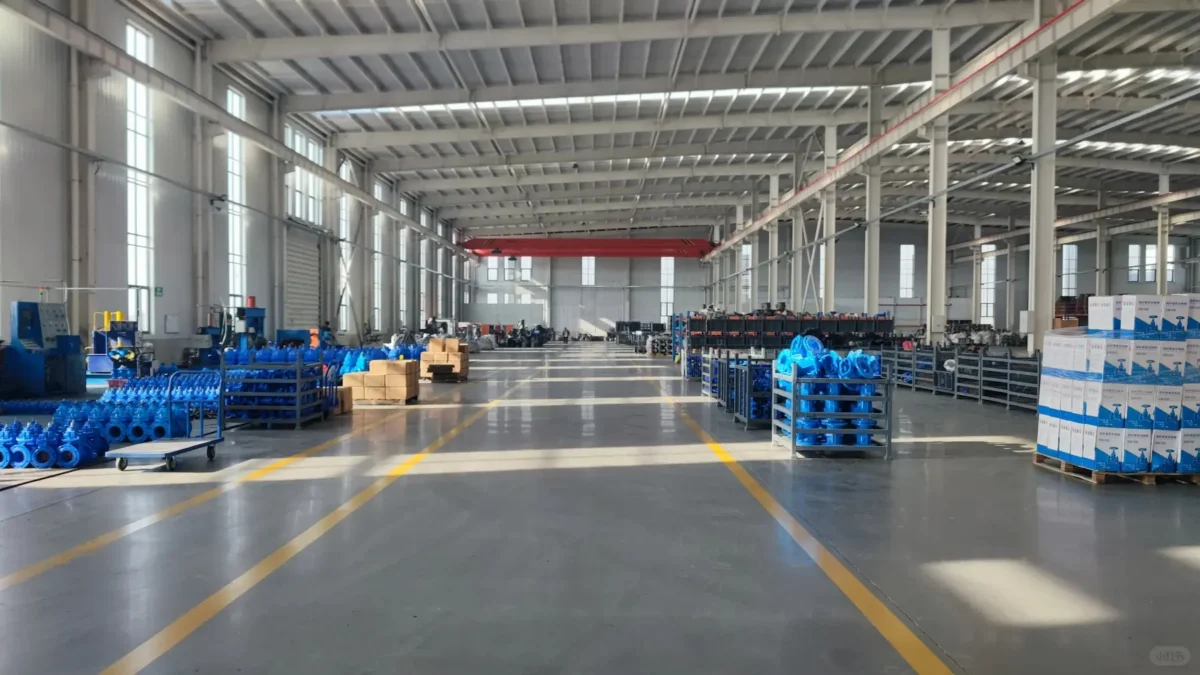
HVAC & Construction Applications
HVAC & Construction Valve Solutions — Isolation, Flow Control & Equipment Protection
Valve options for chilled-water, condenser-water and heating-water systems in commercial and industrial buildings. Share the system medium, glycol concentration, design flow, pressure–temperature conditions and valve schedule for a configuration review by zpvevlave.

Common HVAC & Construction Valve Applications
Six common locations where valve duty should be reviewed against the system medium, design flow, pressure–temperature conditions and project valve schedule.

Chiller Inlet & Outlet
Isolate individual chillers from the primary or secondary water loop during commissioning and maintenance. Confirm the water or glycol medium, line size, design flow, pressure–temperature conditions, connection and actuation requirements.

Cooling Tower & Condenser Water Circuits
Provide isolation and flow management around cooling towers, condensers and connected circulation lines. Review water treatment, suspended debris, design flow, operating pressure and access for inspection or cleaning.

Pump Suction & Discharge
Isolate circulation pumps and prevent reverse flow through connected lines after pump shutdown. Confirm the design flow, velocity, flow direction, installation orientation, available pressure and expected pump operating sequence.

Chilled & Heating Water Mains and Risers
Provide sectional isolation across plantrooms, floors and building pressure zones. Confirm the pipe size, static pressure, pump head, design temperature, end connection, insulation thickness and maintenance access.

AHU & FCU Coil Branches
Support equipment isolation and water-flow regulation at air-handling and fan-coil units. Confirm the design and minimum flow, available differential pressure, glycol concentration, control arrangement and required actuator signal.

Boilers & Heat Exchanger Interfaces
Isolate and regulate heating-water circuits around boilers and heat exchangers. Review the maximum operating temperature, design pressure, flow rate, connection, operating cycle and shut-off requirement.
Conditions Before Configuration
Service Conditions That Drive HVAC Valve Selection
The label “chilled-water valve” is not enough to define a suitable configuration. System flow, differential pressure, water chemistry, temperature and installation conditions must be reviewed together.
Design Flow, ΔP & Valve Authority
Confirm the design and minimum flow, coil or branch pressure loss, available valve differential pressure and maximum close-off pressure. These conditions affect Cv/Kv, valve authority, usable control range and actuator requirements; missing data can contribute to overflow, low-ΔT operation or unstable control.
Water, Glycol & Treatment Chemistry
Confirm the water condition, glycol type and concentration, treatment chemicals, operating temperature and makeup-water conditions. These details must be reviewed before defining body, trim, seat and sealing-material compatibility.

Open Condenser Water, Solids & Fouling
For cooling-tower circuits, provide available water analysis, treatment method, expected debris or suspended solids, upstream filtration and cleaning access. Scale, deposits, corrosion and biological fouling can affect valve movement, sealing surfaces and system pressure loss.
Pressure Zones, Temperature & Installation
Confirm static pressure, pump head, building pressure zone, minimum and maximum temperatures, installation orientation, insulation thickness and maintenance clearance. These conditions affect pressure rating, close-off duty, end connection, extended neck requirements and actuator accessibility.
Valve Categories for Common HVAC Duties
Butterfly Valve · Gate Valve
Options to review for chiller headers, plantroom mains and large-diameter distribution lines requiring shut-off and maintenance isolation.

Ball Valve · Butterfly Valve
Options to review around chillers, pumps, AHUs, FCUs and branch pipework where equipment must be isolated for commissioning or maintenance.

Globe Valve · Control Configuration
Options to review where chilled-water or heating-water flow must be regulated in response to the equipment load and the available system differential pressure.

Check Valve · Pipeline Strainer
Options to review for limiting reverse flow at pump discharge and intercepting pipeline debris before chillers, pumps, coils and heat exchangers.


Valve Manufacturing, Testing & Technical Support
Industrial Valve Manufacturing For HVAC & Building Services Projects
zpvevlave provides industrial and waterworks valve options for pipeline projects. For HVAC and building-services enquiries, product configuration is reviewed against the system medium, design flow, pressure–temperature conditions, connection and operation requirements.
Each confirmed valve configuration connects project specifications, material requirements, inspection criteria and technical records. zpvevlave supports EPC contractors, distributors and procurement teams with product selection, technical information and quotation support based on confirmed project requirements.

Valve Configuration
Valve type, material, end connection and actuation reviewed against confirmed service conditions and project requirements.

Inspection & Testing
Selected valves undergo the relevant material, dimensional, assembly and pressure-test checks for the confirmed configuration.

Valve Product Range
Butterfly, ball, gate, globe, check and pipeline strainer categories reviewed for waterworks and industrial pipeline duties.

Project Support
Technical information, product selection and quotation support for EPC, distributor and procurement teams.