
Food & Beverage Applications

Valves for Food & Beverage Processing — Product Lines, CIP & Plant Utilities

Valve solutions for ingredient transfer, mixing, thermal processing, storage, filling, cleaning circuits and plant utilities. Tell us whether the valve is in direct product contact, CIP-wetted service or a non-product utility line, together with the medium, cleaning method, pressure–temperature range, connection and documentation requirements.

Product Processing Filling & Packaging CIP & Utilities
Food and beverage processing line with stainless steel tanks, hygienic piping and automated valves

Where Valves Work Across Food & Beverage Production

Food ingredient transfer line with stainless steel tanks, piping and valves

Ingredient Receiving & Transfer

At unloading, storage and transfer points, valve selection starts with direct product-contact status, product viscosity, particles and cleaning requirements.

Food and beverage mixing and dosing system with stainless steel process tanks

Mixing, Blending & Dosing

Routing into mixers and dosing points must account for batch changeovers, recipe cross-contact, operating frequency and cleanability.

Pasteurization and thermal processing equipment with stainless steel pipelines and valves

Pasteurization & Thermal Processing

Product, hot-water, steam and cooling circuits around thermal equipment must be classified separately before isolation or control valve selection.

Food and beverage fermentation and storage tanks with process piping

Fermentation, Storage & Tank Transfer

Tank inlet, outlet and transfer valves require review of drainability, product hold-up, operating sequence and cleaning access.

Food and beverage filling and packaging line with automated process valves

Filling & Packaging Lines

High-cycle filling and packaging lines require confirmation of actuation, shut-off consistency, cleaning conditions and applicable hygienic requirements.

CIP system and food processing plant utility piping with valves

CIP, Water, Steam & Cooling Utilities

Cleaning and utility circuits need medium, temperature and system-boundary review, especially where a valve forms part of a product-contact cleaning path.

Selection Factors

Food & Beverage Valve Challenges Defined Before Selection

Service Condition 01

Product Contact & Cleanability

For any product-contact position, material grade alone is not enough. Internal geometry, drainability, seals, end connections and required hygiene documents must be reviewed together.

Send Product Details ···
Stainless steel food processing valve and hygienic pipeline connection
Service ClassProduct / CIP / Utility
ReviewCleanability & Drainability
ConfirmConnection & Documentation
Wetted MaterialsBased on Medium & Cleaning Conditions
Hygienic RequirementProject Standard to Be Confirmed
Surface RequirementDefine on Valve Schedule
Service Condition 02

CIP/SIP Chemistry & Temperature

Cleaning chemicals, concentration, temperature, exposure time and cycle frequency can affect valve-body, trim and elastomer compatibility. Review the cleaning process with the product.

Send Cleaning Conditions ···
Food processing CIP cleaning system with stainless steel process piping
Cleaning MethodCIP / SIP / Manual
ReviewChemical, Concentration & Temperature
Operating CycleTime & Exposure Frequency
Elastomer SelectionProduct & Cleaning Compatibility
Thermal DutyOperating & Cleaning Range
Cleaning CoverageValve Position to Be Confirmed
Service Condition 03

Viscosity, Solids & Product Retention

Syrups, edible oils, dairy products, plant-based beverages and juices with pulp do not behave like water. Define viscosity, solids, temperature and acceptable product hold-up before selection.

Send Medium Details ···
Food and beverage processing line handling viscous liquid and product ingredients
Product BehaviourViscosity, Pulp, Fibres & Solids
ReviewFlow Path & Product Hold-Up
Operating StateTemperature & Batch Condition
Particle InformationSize & Solids Content
Drainage RequirementProduct & Cleaning Residue
ActuationConfirm from Service Conditions
Service Condition 04

Product Separation, Changeovers & Operating Cycle

Recipe changes, allergen control, product-to-CIP separation and filling sequences may require defined shut-off, fail position, valve feedback and cleanable routing.

Send Your P&ID ···
Automated food and beverage processing valve manifold and product routing system
Process NeedRecipe / Allergen / CIP Separation
ReviewShut-Off, Sequence & Feedback
ActuationFail Position & Cycle Frequency
Mixproof RequirementMust Be Specified Separately
Control SignalConfirm with Automation Requirement
P&ID ReviewDefines Routing & Valve Duty

Food & Beverage Valve Challenges — Defined Before Selection

The product-contact classification, cleaning method and medium—not the industry label—define the valve configuration.

Product Contact & Cleanability

For product-contact valve positions, review internal geometry, drainability, seals, end connections and required hygienic documentation—not material grade alone.

CIP/SIP Chemistry & Temperature

Cleaning chemicals, concentration, temperature, exposure time and cycle frequency affect body, trim and elastomer compatibility.

Food and beverage process valve assembly with stainless steel hygienic piping

Viscosity, Solids & Product Retention

Viscosity, solids, particles, product temperature and acceptable hold-up affect the flow path, drainage and valve configuration.

Product Separation & Operating Cycle

Recipe changeovers, allergen control, product-to-CIP separation, fail position and cycle frequency define the required shut-off and automation arrangement.

Valve Selection by Duty

Valve Categories for Food & Beverage Process Duties

Food & Beverage Duty — Product-Contact Isolation

Product-Contact Isolation & Routing

For direct product-contact positions only when hygienic construction, cleanability and required project documentation are confirmed.

Send Product Requirements ···
Food and beverage product-contact valve and stainless steel process piping
Configuration Path Hygienic Valve Design to Be Confirmed
Key Duty Product Isolation & Routing
Confirm Before Selection Medium · Cleaning Method · Connection · Documentation
Food & Beverage Duty — CIP Supply & Return

CIP Supply & Return Isolation

For cleaning solution and rinse-water circuits. Review the full cleaning process and whether the valve belongs to the product-contact path.

Send Cleaning Conditions ···
Food processing CIP supply and return piping with isolation valves
Potential Categories Butterfly Valve · Ball Valve
Key Duty CIP Supply & Return Isolation
Confirm Before Selection Cleaning Chemical · Temperature · Cycle · Circuit Classification
Food & Beverage Duty — Thermal Utility Control

Steam, Hot Water & Cooling Control

For defined steam, hot-water and cooling-water duties around thermal processing, heat exchange and plant utility systems.

View Globe Valves ···
Globe valve on a food and beverage steam and hot water utility line
Primary Category Globe Valve
Key Duty Thermal Utility Regulation
Confirm Before Selection Medium · Pressure-Temperature Range · Flow Rate · Control Range
Food & Beverage Duty — Backflow Prevention

Backflow & Utility Protection

For protecting pumps and connected utility equipment from reverse flow. Product-contact positions require separately confirmed hygienic construction.

View Check Valves ···
Check valve on a food and beverage plant utility pipeline
Primary Category Check Valve
Key Duty Prevent Reverse Flow
Confirm Before Selection Flow Direction · Velocity · Orientation · Process Classification
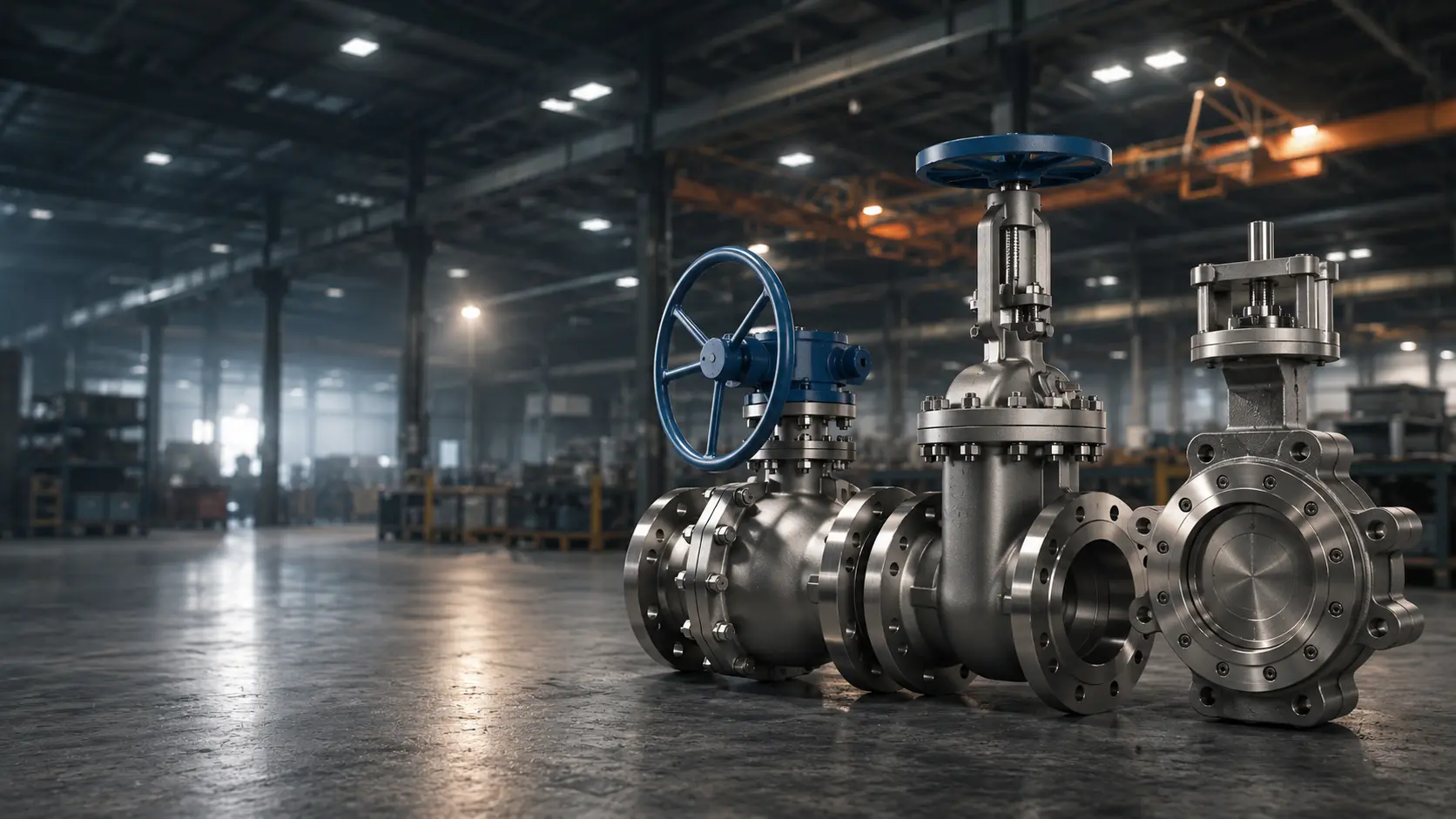
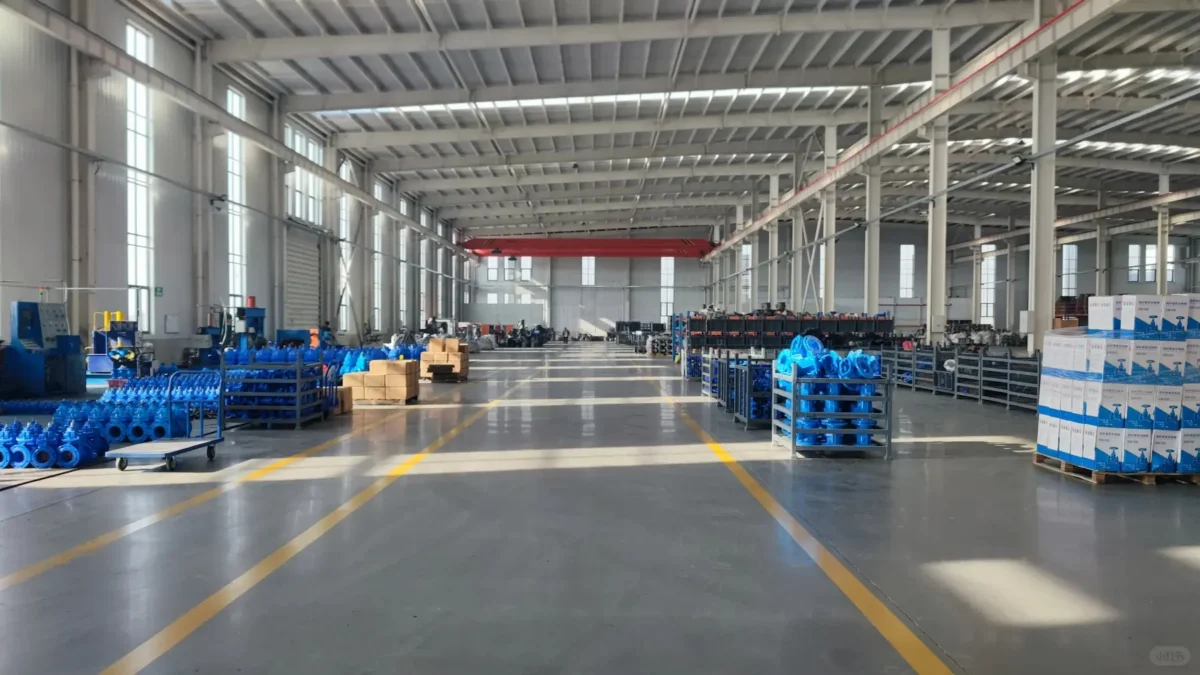
Industrial valves in a manufacturing workshop

Valve Manufacturing, Testing & Technical Support

About zpvevlave

Industrial Valve Manufacturing For Food & Beverage Process & Utility Projects

zpvevlave is an industrial valve manufacturer supporting process and utility pipeline projects. For food and beverage enquiries, the review begins by identifying whether each valve is in direct product contact, CIP-wetted service or a non-product utility line.

Each confirmed configuration is reviewed against the medium, cleaning method, pressure-temperature conditions, material and seal requirements, connection, actuation and required technical documentation. Product-contact hygienic suitability or certification is confirmed only against the selected valve model and project specification.

+ Service Classification ReviewProduct-contact, CIP-wetted and utility duties identified before the valve category and material configuration are proposed.
+ Valve Configuration ReviewValve type, materials, seals, end connections and actuation requirements aligned to the confirmed service conditions.
+ Inspection & Pressure TestingMaterial, dimensional, assembly and operational inspections followed by the required shell and seat pressure tests.
+ Technical Documentation SupportAvailable datasheets, drawings, material information and inspection records coordinated around the selected configuration.
Request A Technical Valve Review
Custom industrial valve configuration

Service Classification

Product-contact, CIP-wetted and non-product utility positions separated before valve configuration review.
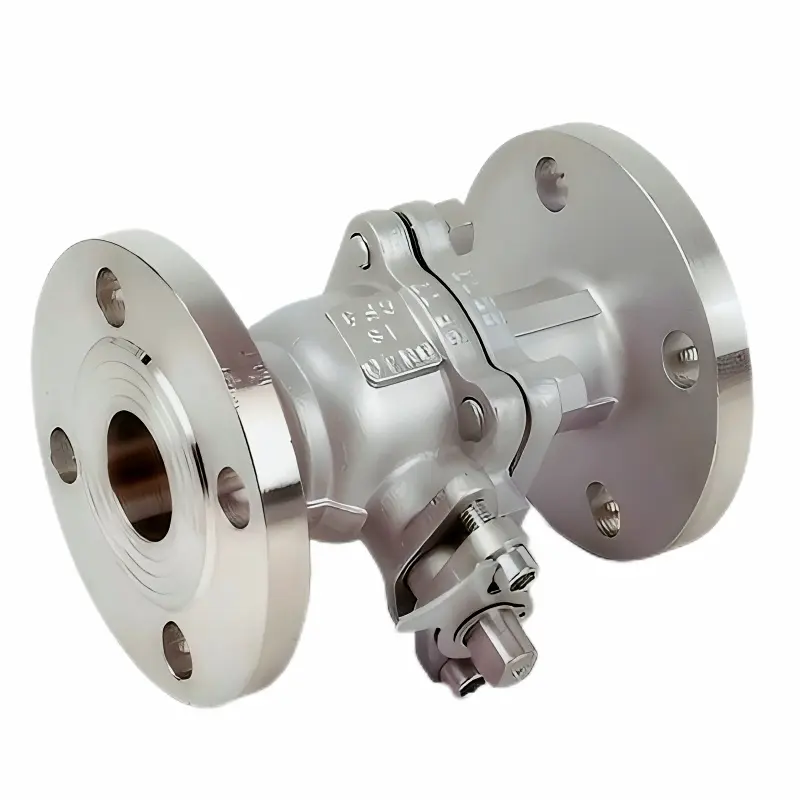
Industrial ball valve prepared for inspection

Valve Configuration

Valve type, material, seal, connection and actuation reviewed against the confirmed medium and cleaning conditions.
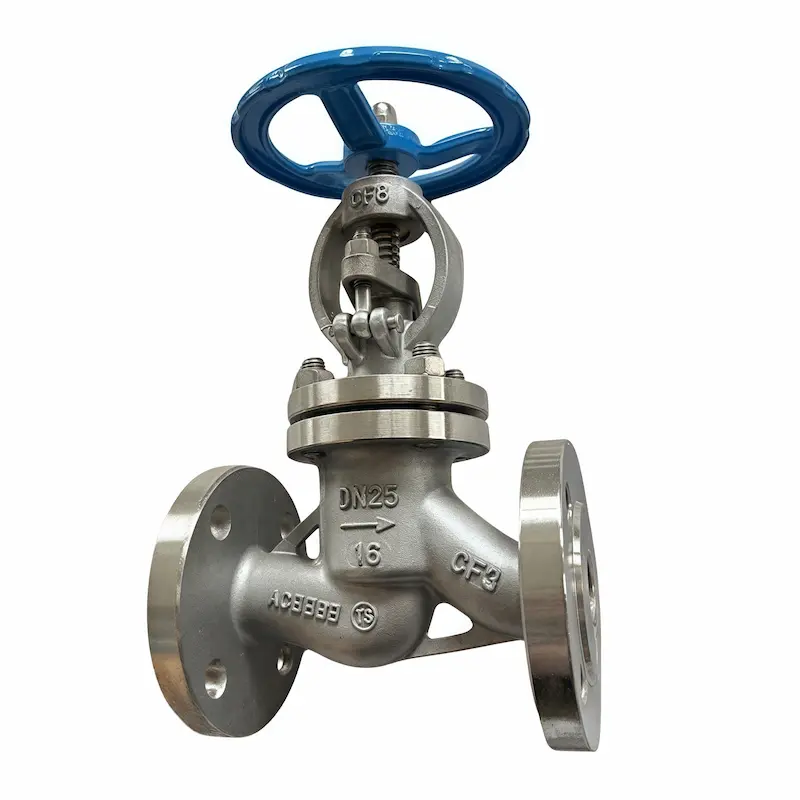
Industrial globe valve configuration

Inspection & Testing

Selected valves undergo the relevant material, dimensional, assembly and pressure-test checks.
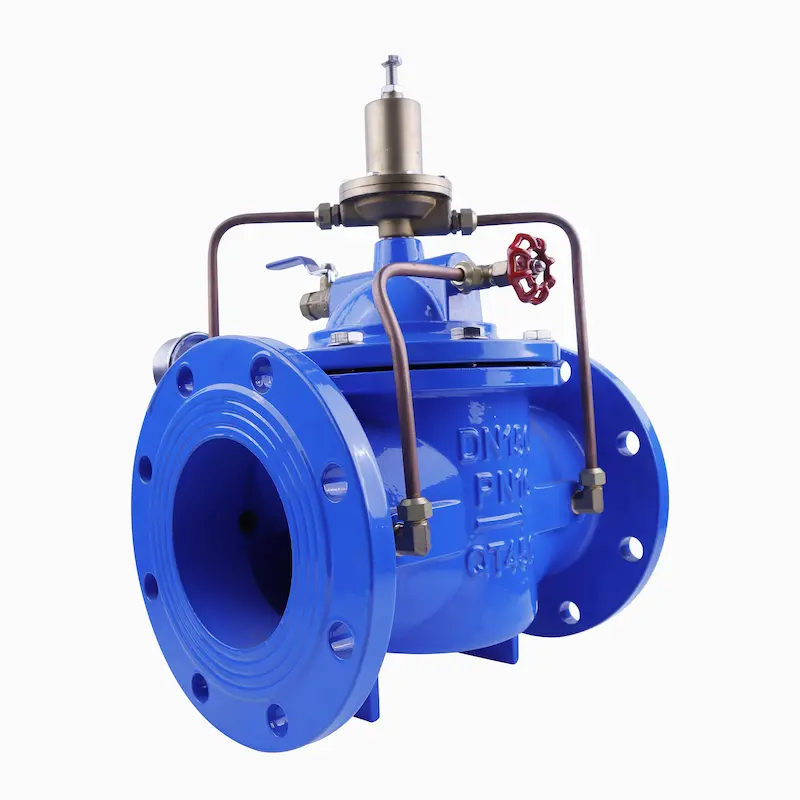
Hydraulic control valve technical configuration

Documentation & Quotation Support

Technical information and available project records prepared around the confirmed valve configuration.
01 Do I need a sanitary valve for every pipeline in a food and beverage plant?

No. Valves in direct product contact or in a product-connected CIP circuit may require hygienic construction and model-specific documentation. Isolated steam, water, cooling or other utility lines may use industrial valve configurations selected for their own medium, pressure and temperature. Classify each valve position before selecting the valve category.

02 Is 316L stainless steel enough to make a valve suitable for food contact?

No. Material grade is only one part of product-contact suitability. Internal geometry, drainability, surface requirements, seals, end connections, cleaning access and the required hygienic documentation must also be confirmed for the selected valve model.

03 What cleaning information is needed before selecting a valve?

Provide the cleaning method, chemical names, concentration, temperature, exposure time, cycle frequency and whether the valve is cleaned in place or disassembled. Also identify whether cleaning solution passes through product-contact surfaces. These details are needed to review metallic materials, seals and drainage requirements.

04 How should the valve seal material be selected?

The seal should be reviewed against the processed product, ingredients, additives, cleaning chemicals, operating temperature and exposure time. A seal compatible with the food product may not automatically be compatible with the CIP process. State any required food-contact or elastomer documentation before quotation.

05 When is a mixproof or double-seat valve required?

A mixproof or double-seat valve may be required when incompatible media, such as product and cleaning solution, must remain separated while adjacent pipelines may still be operating. Confirm the requirement from the process sequence and P&ID. Mixproof operation is a dedicated valve function, and availability, hygienic construction and certification must be confirmed for the selected model.

06 Can an industrial butterfly valve be used on a CIP return line?

It depends on the circuit boundary. If the valve forms part of a product-contact cleaning path, hygienic construction, cleanability, drainability and documentation requirements may apply. An isolated utility cleaning line may have different requirements. The CIP return line should therefore be classified before a butterfly valve configuration is proposed.

07 Which standards and documents should be specified before ordering?

State any required 3-A, EHEDG, food-contact material, surface-finish, elastomer, traceability, inspection or test-document requirements during the technical review. Certification should be confirmed for the selected valve model and manufacturing scope rather than assumed from a stainless-steel material description.

08 What should I send for a food and beverage valve quotation?

Send the P&ID, valve schedule or datasheet together with the product or utility medium, product-contact classification, viscosity or solids information, cleaning process, valve size, pressure, temperature, connection, actuation, quantity and required documentation. zpvevlave can review the available information and identify missing selection data before the configuration is confirmed.

Request a quote

Request a Valve Quotation

Send us the medium, size and pressure for your project. Our engineers reply with a valve recommendation, a datasheet and a quotation.

  • Quote within 24 hours for standard items, three working days for custom specifications
  • Factory-direct pricing, with no trading company margin
  • Non-standard sizes, materials and end connections accepted
  • Third-party inspection welcome before shipment

Prefer email or WhatsApp? lucas@zpvevlave.com · +86 182 0323 5561

ZPVEVLAVE · Industrial Valve Manufacturer

Get Your Quotation Within 24 Hours

Contact ZPVEVLAVE for industrial valve enquiries, technical information, project quotations and ordersupport.

WhatsApp

+86 18203235561

Email

lucas@zpvevlave.com