
Mining & Metallurgy Applications
Mining & Metallurgy Valve Solutions — Slurry Isolation, Process Control & Water Management
Valve configuration options for mineral-processing, tailings, mine-water and metallurgical pipeline services. Share your slurry or fluid data, line size, pressure–temperature conditions, valve duty and project specification for a configuration review by zpvevlave.
Common Mining & Metallurgy Valve Applications
Six common application areas where valve duty should be reviewed against slurry properties, fluid chemistry, operating conditions and project specifications.
Ore Slurry Transfer Lines
Isolate abrasive mineral slurries moving between crushing, grinding, classification and separation equipment.
Grinding & Classification Circuits
Control and isolate cyclone feed, pump discharge and connected slurry lines exposed to solids, wear and frequent operation.
Flotation & Reagent Systems
Regulate and isolate slurry, process water and reagent lines serving flotation cells and mineral-recovery equipment.
Thickener Underflow & Tailings Lines
Handle concentrated underflow and tailings services where solids concentration, settling and blockage risk affect valve operation.
Mine Dewatering & Water Treatment
Provide pump isolation, flow control and backflow prevention across dewatering, drainage and mine-water treatment systems.
Leaching & Metallurgical Process Lines
Isolate and regulate leach solutions, process liquors and utility lines where fluid chemistry influences materials and sealing selection.
Service Conditions That Drive Valve Selection
The actual slurry or process liquor data—not the “mining service” label—defines the valve configuration.
Solids Concentration & Particle Size
Confirm solids concentration by weight or volume, particle-size distribution and settling tendency before selecting the valve type and flow-path configuration.
Abrasiveness, Velocity & Pressure Drop
Mineral hardness, particle shape, slurry velocity and differential pressure influence erosion, internal wear and required operating torque.
pH, Chlorides & Process Chemicals
Confirm pH, chloride content, acids, alkalis, flotation reagents and solution temperature when reviewing wetted materials and sealing compatibility.
Pressure, Temperature & Operating Cycle
Design and operating pressure, temperature, cycling frequency, pump conditions and required fail position affect sealing, torque and actuation requirements.
Valve Categories for Common Mining & Metallurgy Duties
Slurry & Tailings Isolation
For isolating ore slurry, thickener underflow and tailings lines after the solids and operating conditions have been confirmed.
View Valve Categories ···
Process Water & Reagent Isolation
For isolating process-water, wash-water, reagent and connected utility lines throughout mineral-processing facilities.
View Valve Categories ···
Process Flow Regulation
For controlled adjustment of compatible process-water, reagent and low-solids liquid services where on/off isolation is not enough.
View Globe Valves ···
Backflow Prevention
For protecting dewatering pumps, process-water pumps and compatible slurry-handling systems against reverse flow after shutdown.
View Check Valves ···
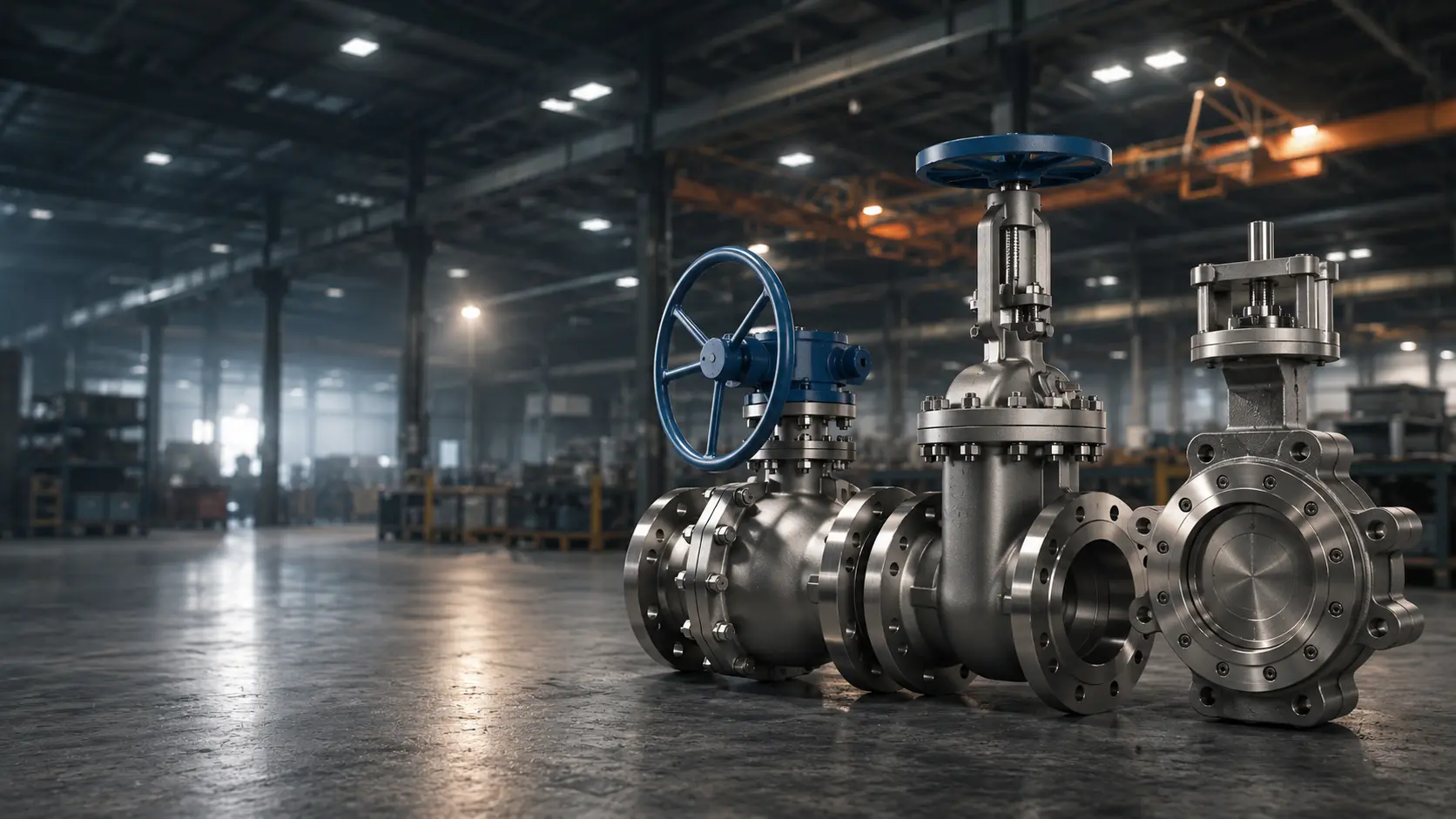
Valve Manufacturing, Testing & Technical Support
Industrial Valve Manufacturing For Mining & Metallurgical Pipelines
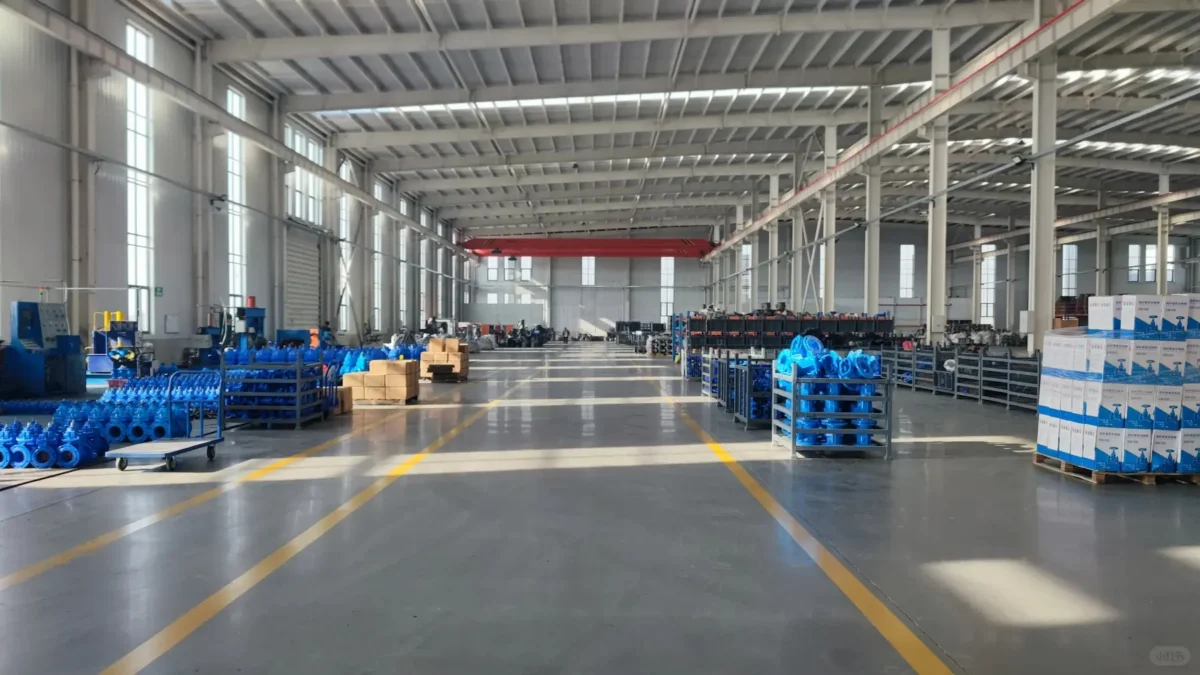
zpvevlave is an industrial valve manufacturer supporting waterworks and process-pipeline projects. Our product range covers butterfly, ball, gate, globe, check and hydraulic control valve categories.
For mining and metallurgy enquiries, configuration review begins with the actual slurry or process-fluid data. Solids concentration, particle size, abrasiveness, fluid chemistry, pressure, temperature, valve duty and project specifications are reviewed before the proposed valve configuration and quotation basis are confirmed.
Service Condition Review
Slurry or fluid properties and operating conditions are reviewed before a valve category and configuration are proposed.
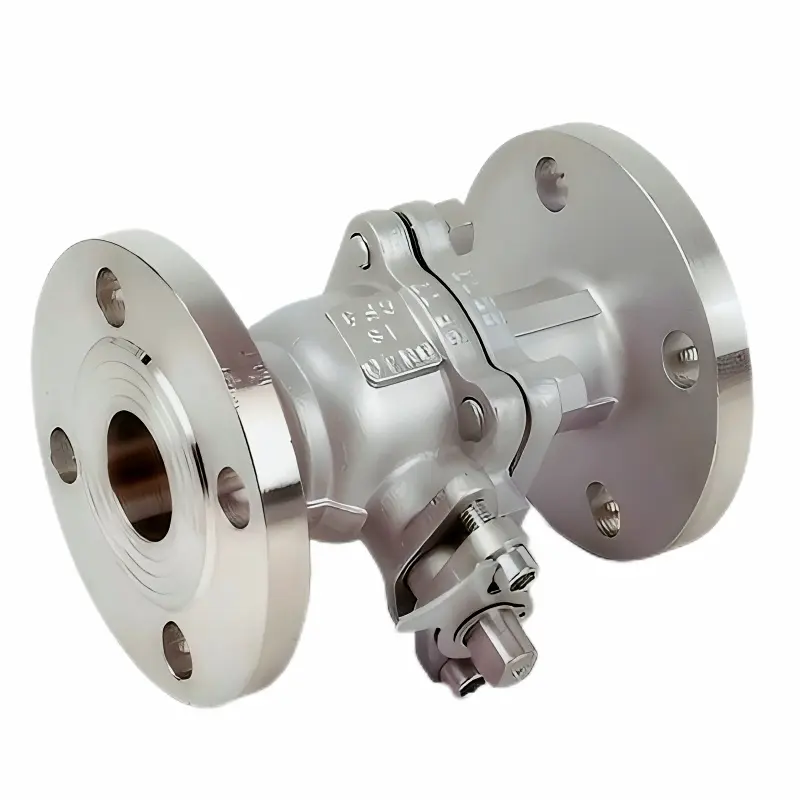
Valve Configuration
Valve type, material, sealing, connection and actuation are reviewed against the confirmed service conditions and project requirements.
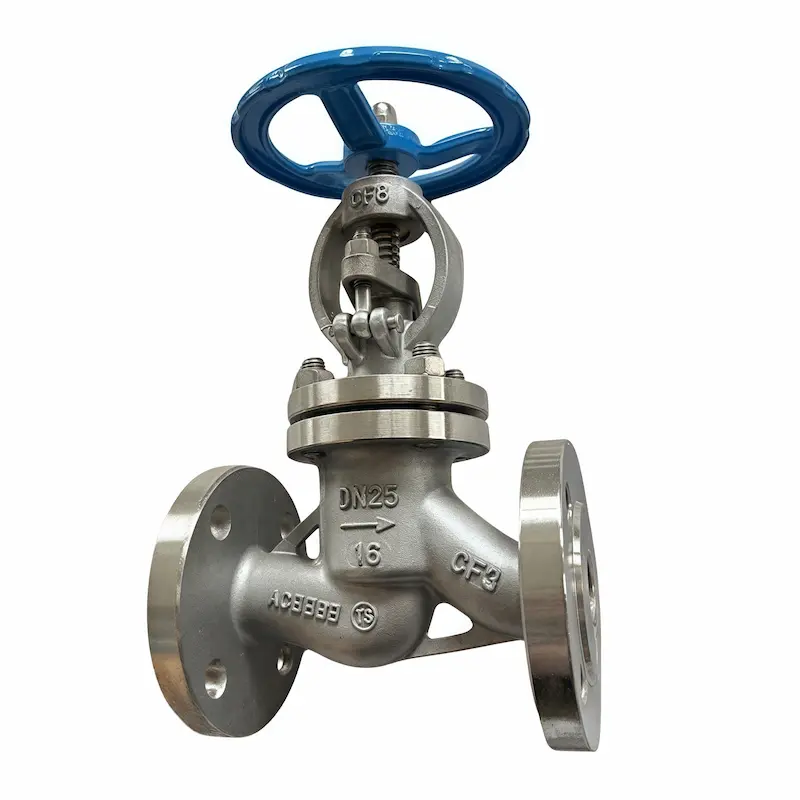
Inspection & Testing
Selected valves undergo the relevant material, dimensional, assembly, operational and pressure-test checks.
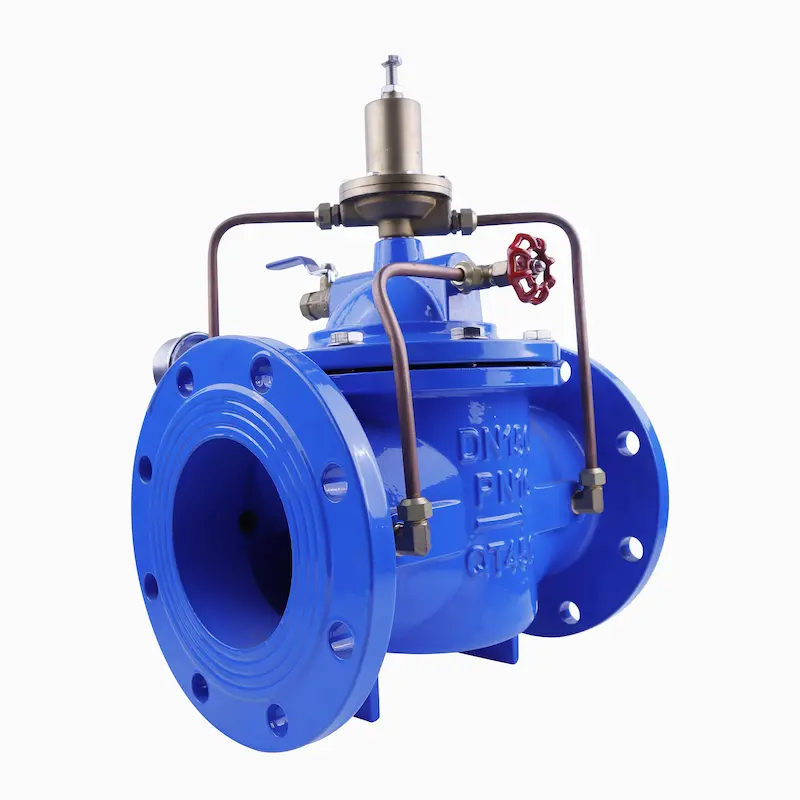
Project Support
Technical information, product selection and quotation support for EPC, distributor and procurement teams.
01 What slurry data is required for a mining valve quotation?
Provide the process location, liquid phase, solids concentration by weight or volume, slurry density, particle-size distribution, maximum particle size, particle hardness or mineral type, pH and chemical composition. Also include minimum, normal and maximum flow, operating and design pressure and temperature, valve duty, line size, end connection, orientation, operating frequency, actuation requirement and any flushing arrangement. A P&ID, valve schedule or datasheet helps keep the technical quotation aligned with the actual pipeline duty.
02 Why can a pressure-rated valve still wear out quickly in slurry service?
Pressure rating confirms the valve’s pressure-containing capability; it does not define resistance to slurry erosion or solids packing. Wear is also affected by solids concentration, particle size, shape and hardness, slurry velocity, pressure drop and the surfaces exposed to the flow. A valve can therefore satisfy the required pressure class while its seat, closure element or internal flow path remains unsuitable for the actual abrasive duty.
03 Can standard gate, butterfly or globe valves be used for mining slurry?
Not on the valve name alone. A clean-water or general-process configuration should not automatically be treated as suitable for slurry. Body cavities, restricted passages and exposed seating surfaces can collect solids or experience concentrated wear. Suitability must be reviewed against particle size, solids concentration, settling behavior, velocity, pressure drop and required duty. Dense, coarse or highly abrasive slurry may require a specialized slurry-valve structure rather than a standard clean-service configuration.
04 Why does a slurry valve stop closing after the pipeline is shut down?
When velocity falls, suspended solids can settle in the valve body, seat area, bonnet pocket or adjacent pipework. Packed solids may obstruct closure, increase operating torque or damage the sealing surfaces. Review the slurry’s settling behavior, expected shutdown duration, valve orientation, internal cavities, closing sequence and available flushing arrangement. Increasing actuator force alone does not correct an unsuitable flow path or accumulated solids.
05 Can the same valve be used for slurry isolation and throttling?
Do not assume that an isolation valve can remain partly open for slurry control. Throttling concentrates velocity and pressure drop around the closure element and seat, which can accelerate erosion and produce unstable control. The required minimum and maximum flow, pressure drop, particle characteristics, operating positions and control range must be reviewed. Where the isolation valve is not designed for this duty, isolation and flow-control functions should be handled separately.
06 How should valve materials be reviewed for leach and reagent lines?
Avoid selecting a material from the process name or pH alone. Provide the exact chemical or reagent, concentration, pH, chloride content, temperature, solids content and whether the solution is oxidizing or reducing. The review should cover every wetted component, including the body, closure element, stem, seat, liner, seals and fasteners exposed to the medium. Stainless steel, duplex steel or an elastomer-lined configuration should not be specified without confirming compatibility with the complete service chemistry.
07 What should be checked when selecting a check valve for mine dewatering?
Confirm minimum, normal and maximum flow, pipeline orientation, pump operating range, start-stop frequency, solids carried in the water and the expected reverse-flow or surge condition. The check valve must open at the available flow and close with suitable dynamics when the pump stops. Selection based only on nominal pipe size can result in unstable movement, delayed closure, valve slam or solids accumulating around the closure mechanism.
08 How should an actuator be sized for a slurry valve?
Actuator review should use the valve torque or thrust at the maximum specified differential pressure and consider seat friction, solids accumulation, operating frequency and the required operating time. Also confirm the available air pressure or electrical supply, normal position, fail position, control signal and installation environment. An actuator should not be sized only from clean-water operating torque or nominal valve size when the actual service contains settling or abrasive solids.
Request a quote
Request a Valve Quotation
Send us the medium, size and pressure for your project. Our engineers reply with a valve recommendation, a datasheet and a quotation.
- Quote within 24 hours for standard items, three working days for custom specifications
- Factory-direct pricing, with no trading company margin
- Non-standard sizes, materials and end connections accepted
- Third-party inspection welcome before shipment
Prefer email or WhatsApp? lucas@zpvevlave.com · +86 182 0323 5561