Power Generation Applications
Power Generation Valve Solutions — Steam, Feedwater & Cooling Water
Valve options for thermal and combined-cycle power plant steam, condensate, boiler feedwater and cooling-water systems. Share your service medium, design pressure and temperature, line size, operating duty and project specification for a configuration review by zpvevlave.
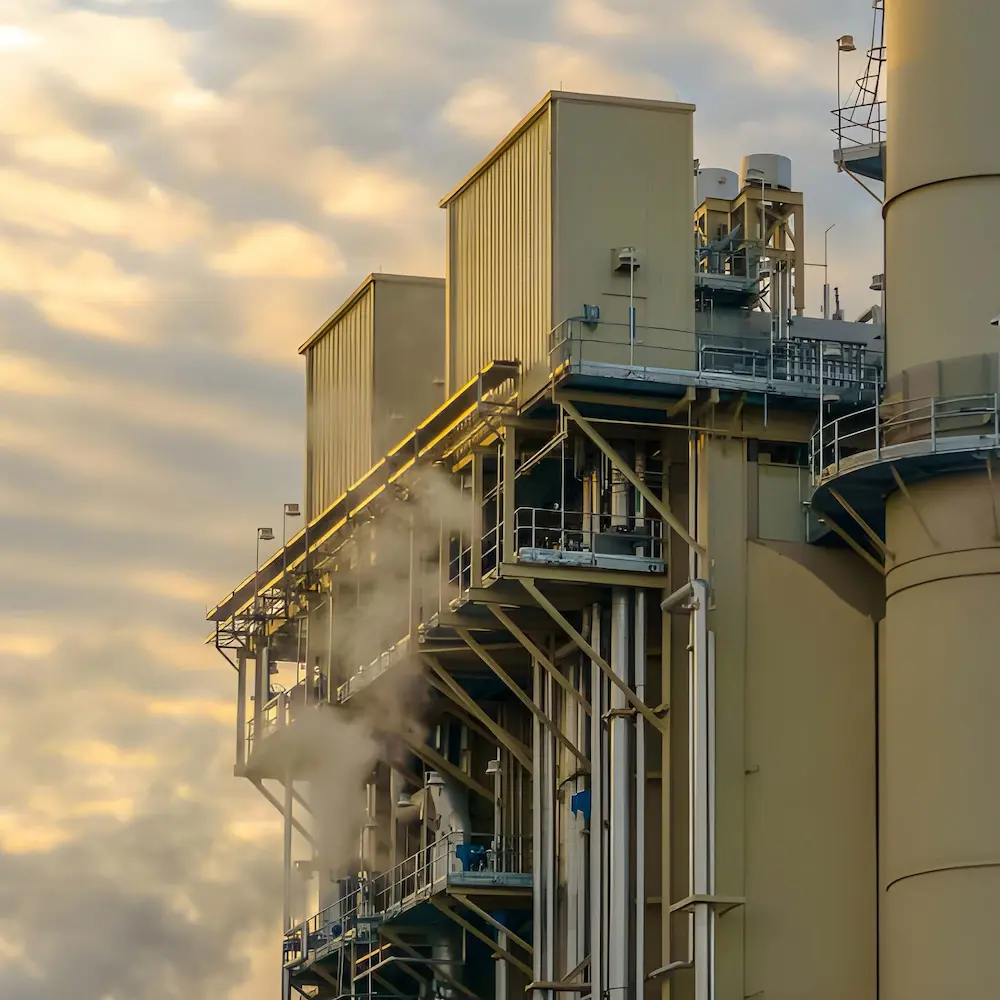
Where Valves Work in Power Generation Systems
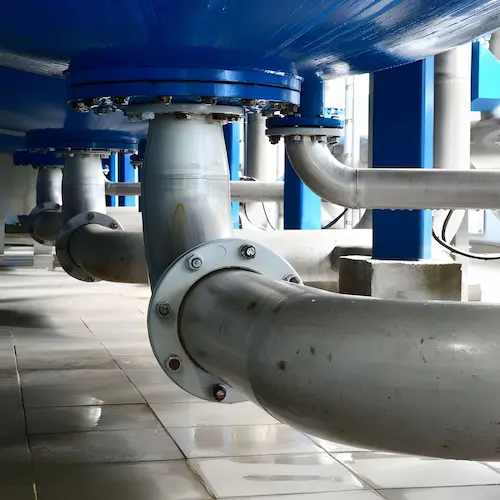
Condensate Extraction & Return
Condensate lines between the condenser, pumps and feedwater heaters need defined isolation and regulation duties. Confirm flow, pressure differential, temperature and end connection.
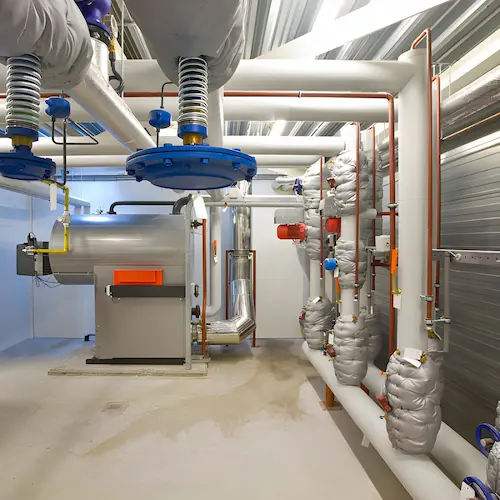
Boiler Feedwater & Pump Recirculation
Feedwater and minimum-flow recirculation duties require review of minimum, normal and maximum flow, inlet and outlet pressure, temperature, and startup or recirculation operating conditions.
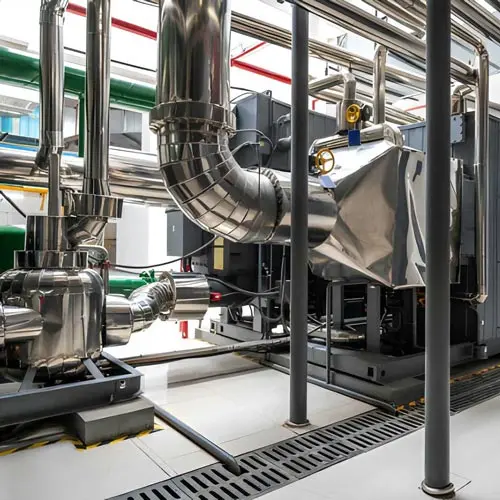
Main Steam & Reheat Lines
Main steam and reheat pipework call for isolation duties reviewed against design pressure and temperature, thermal cycling, pressure class, end connection and the applicable project specification.
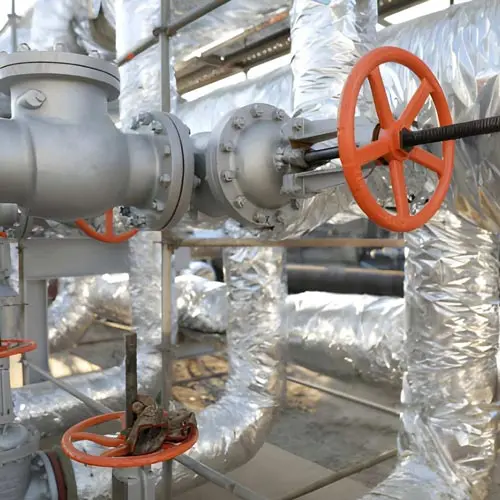
Turbine Bypass & Attemperation
Bypass and attemperation systems involve changing steam conditions and control duties. Provide the pressure drop, temperature range, flow range, control requirement and operating scenario for review.
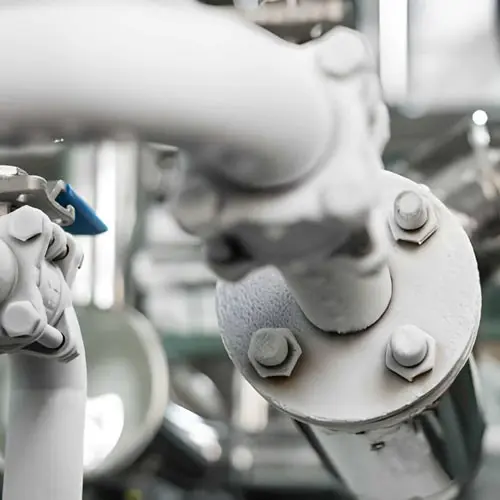
Cooling Water & Condenser Circuits
Cooling-water isolation and flow-control duties depend on water source, suspended solids, corrosion conditions, line size, operating pressure and required actuation arrangement.
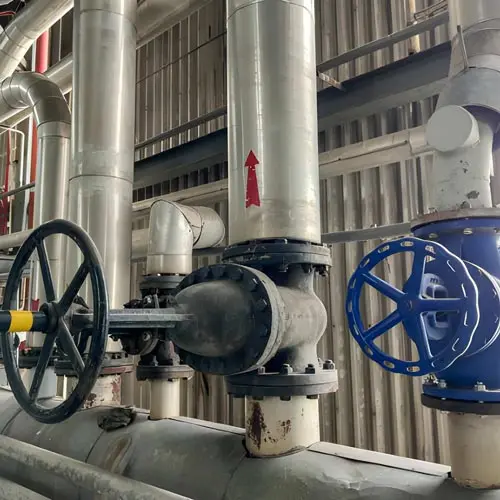
Boiler / HRSG Vents, Drains & Blowdown
Vents, drains and blowdown lines should be assessed for flashing, pressure reduction, water chemistry, total dissolved solids and operating cycle before valve configuration is confirmed.
Power Generation Valve Selection Starts With Service Conditions
Steam Pressure, Temperature & Thermal Cycling
Main steam, reheat and auxiliary steam duties should be assessed beyond nominal pressure class. Design and operating conditions can differ during startup, shutdown and load changes.
Include This In Your Enquiry ···
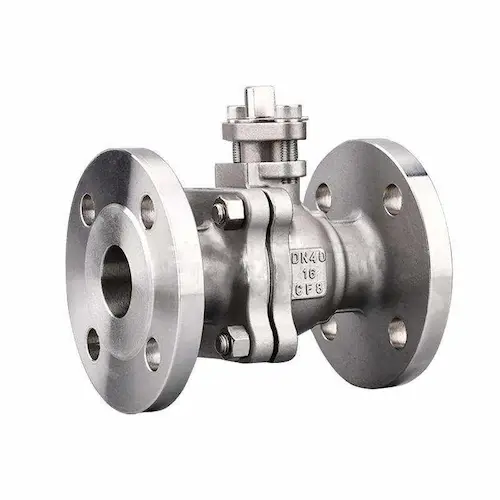
High Differential Pressure, Cavitation & Flashing
Feedwater, drain and blowdown duties may involve a substantial pressure drop. The service fluid and downstream pressure determine whether flashing or cavitation needs to be considered.
Include This In Your Enquiry ···
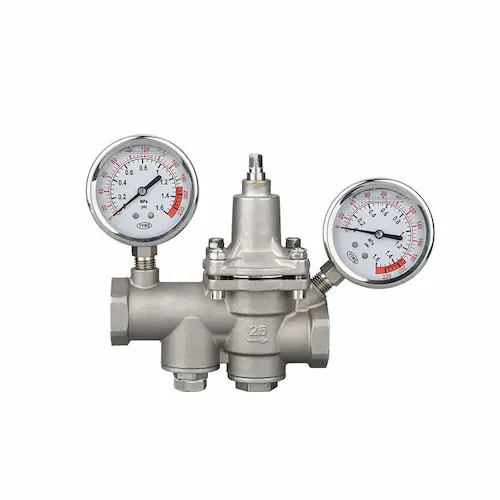
Pump Trips, Reverse Flow & Water Hammer
A pump trip can change flow direction quickly. Check-valve selection depends on pump behaviour, line velocity, installation position and the system response required after a trip.
Include This In Your Enquiry ···
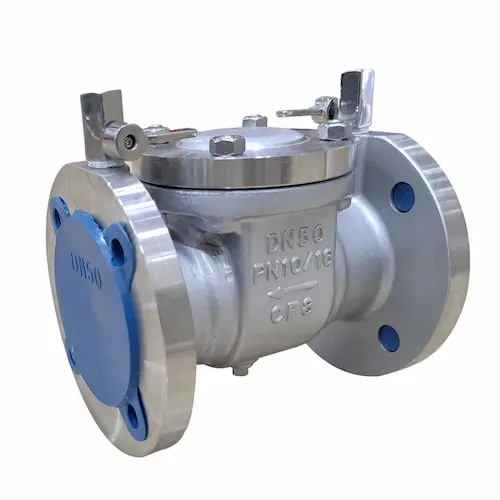
Water Chemistry, TDS & Suspended Solids
Cooling water, condensate, feedwater and boiler water have different chemistry and cleanliness conditions. Water source, total dissolved solids and suspended solids should be confirmed before material review.
Include This In Your Enquiry ···
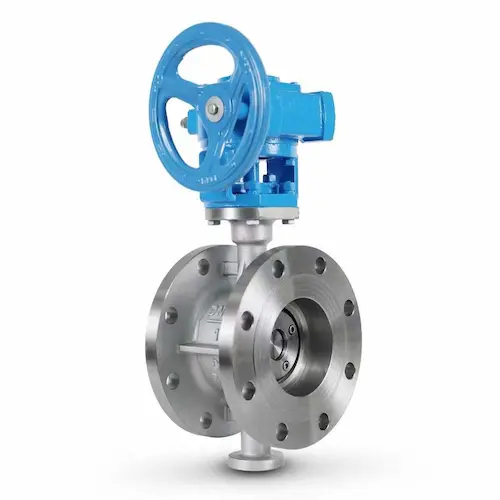
Valve Selection by Power Plant Duty
These mappings identify a starting valve category, not a final selection. Confirm the process data, operating duty and project specification before valve configuration is confirmed.
-
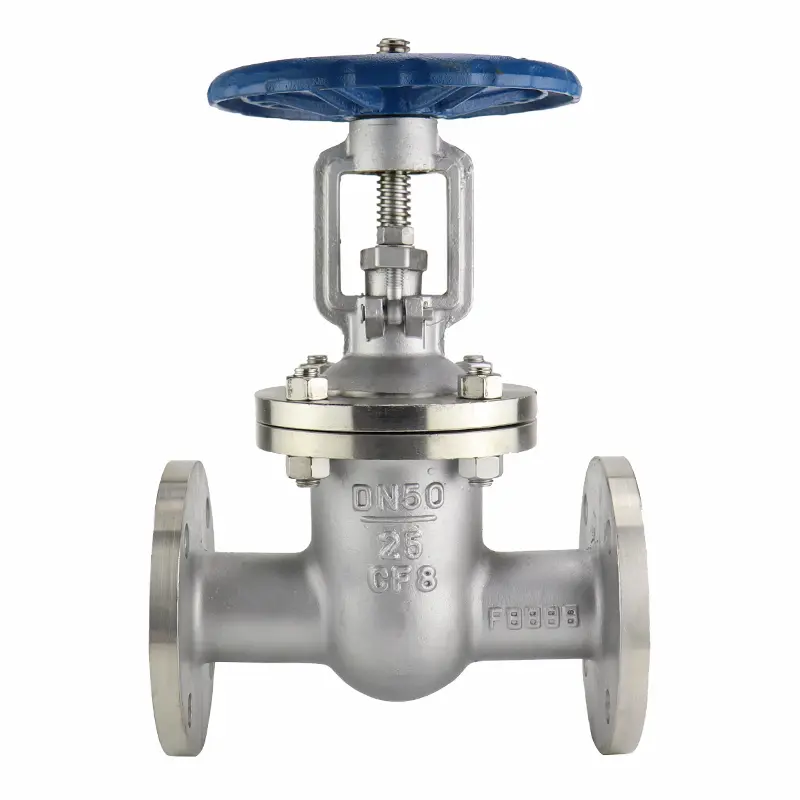
Isolation Steam DutyBoiler & Steam Isolation
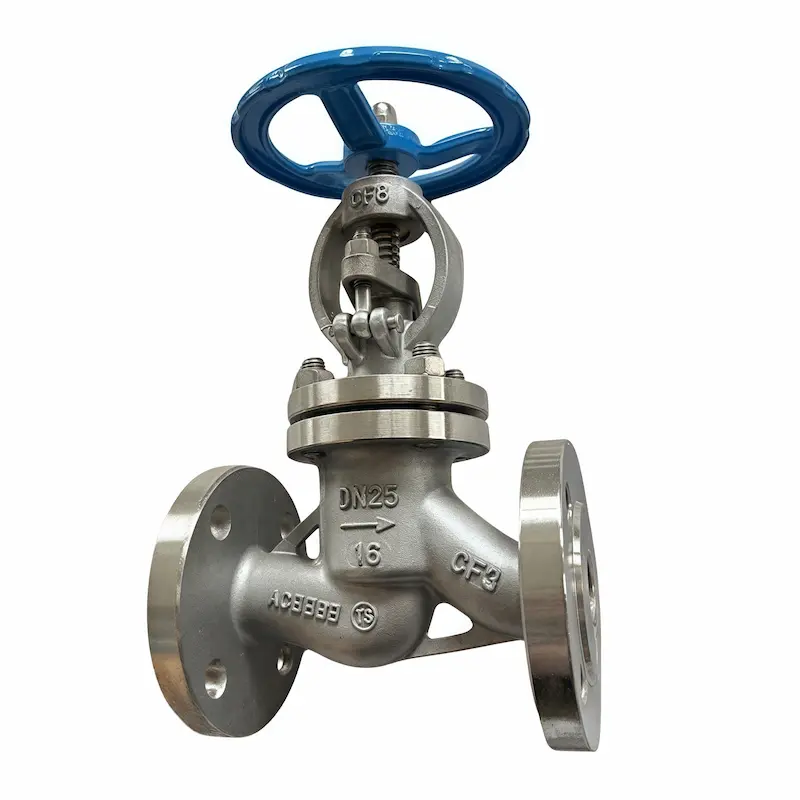
Primary categories: Gate Valves / Globe Valves
Confirm design and operating pressure-temperature conditions, line size, pressure class, end connection and required shut-off duty.
-
Regulation Pressure DropFeedwater, Condensate & Drain Regulation
Primary categories: Globe Valves / Project-Specified Control Valve
Confirm minimum, normal and maximum flow, inlet and outlet conditions, pressure drop, leakage requirement and actuation requirement.
-
Isolation Cooling WaterCooling-Water Isolation
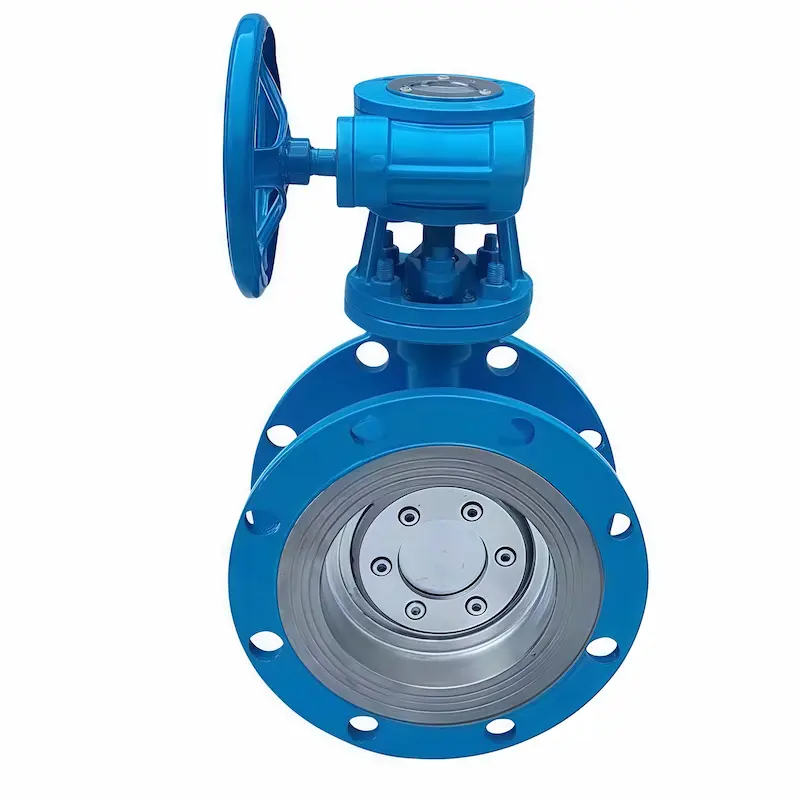
Primary categories: Butterfly Valves / Gate Valves
Confirm water source, suspended solids, corrosion conditions, pipe size, operating pressure, end connection and actuation arrangement.
-
Non-Return Pump ProtectionPump & Reverse-Flow Protection
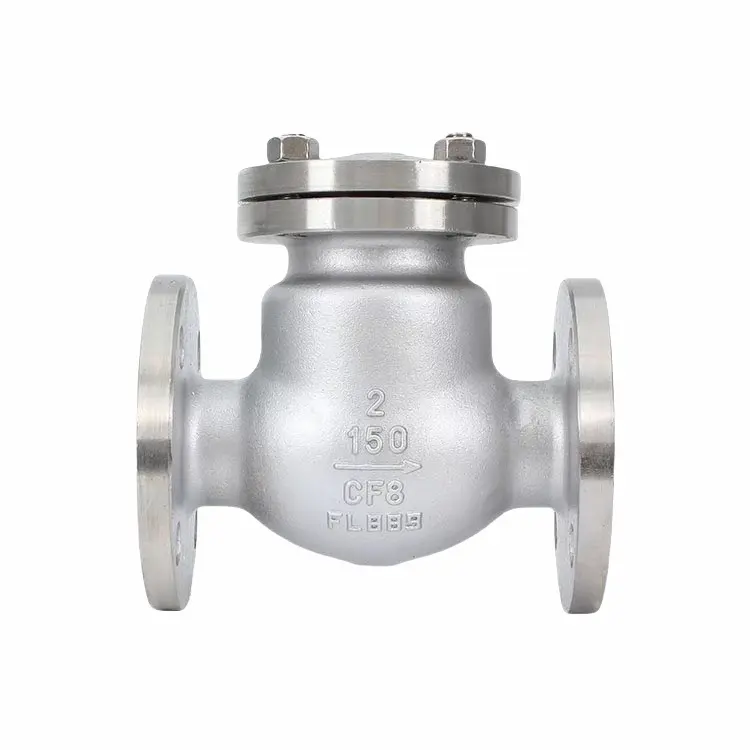
Primary category: Check Valves
Confirm pump type, duty point, trip scenario, line velocity, flow direction, installation orientation and the required system response.
Valve Manufacturing, Testing & Technical Support
Industrial Valve Manufacturing For Power & Steam Systems
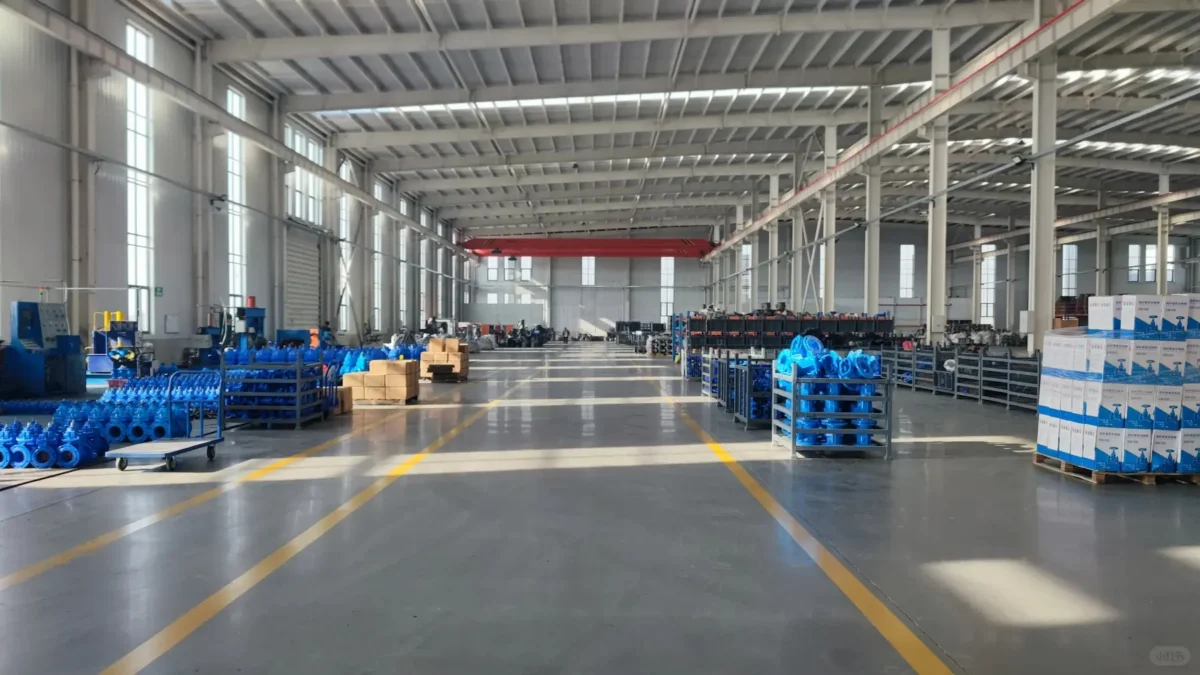
zpvevlave is an industrial valve manufacturer supporting waterworks, process-pipeline and power-generation projects. Our product range covers butterfly, ball, gate, globe, check and hydraulic control valve categories.
Each confirmed valve configuration connects service conditions, material requirements, inspection criteria and technical records. zpvevlave supports EPC contractors, distributors and procurement teams with product selection, technical information and quotation support based on confirmed project requirements.
Valve Configuration
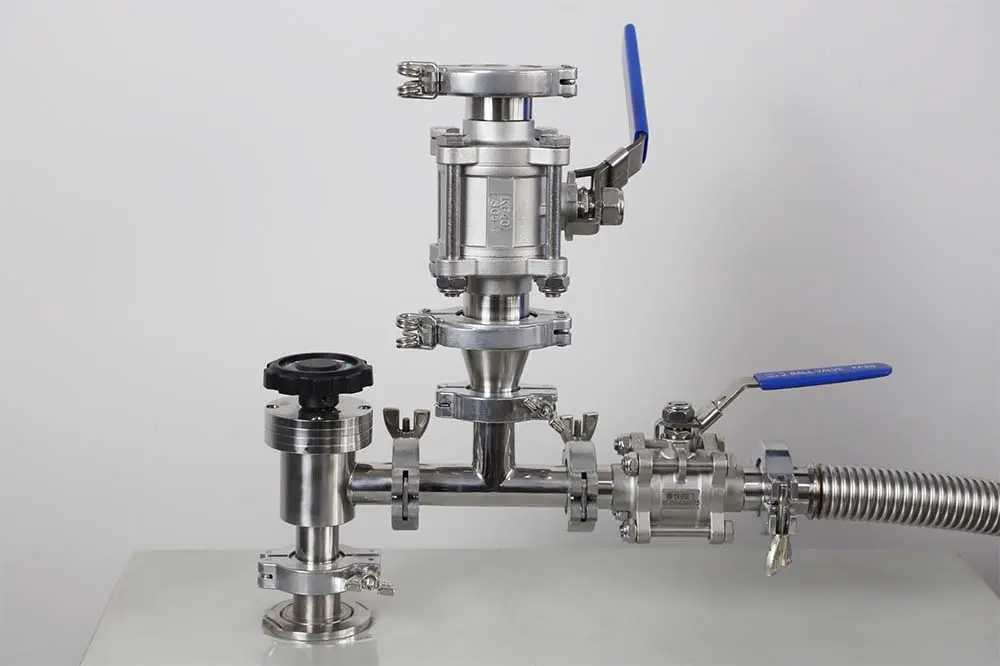
Valve type, material, connection and actuation reviewed against the confirmed steam, feedwater or cooling-water duty.
Inspection & Testing
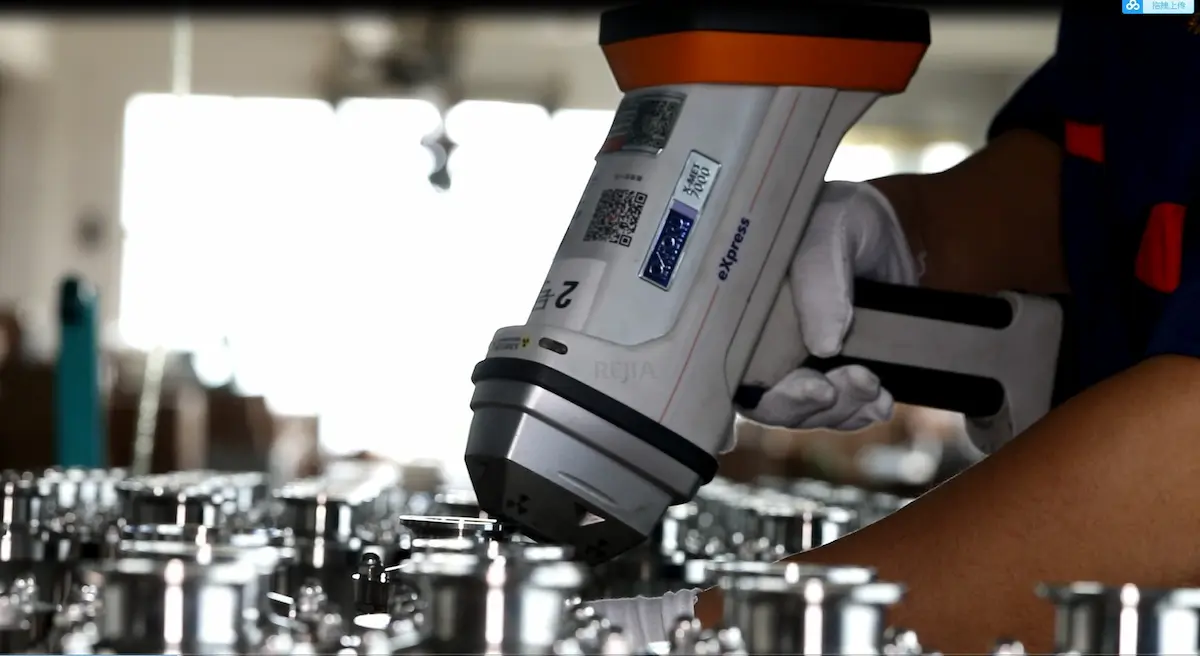
Material, dimensional, assembly and pressure-test requirements coordinated with the confirmed valve configuration.
Valve Product Range
Butterfly, ball, gate, globe, check and hydraulic control valve categories for waterworks, power and industrial pipeline duties.
Project Support
Technical information, product selection and quotation support for EPC, distributor and procurement teams.
01 What information should I send for a power plant valve quotation?
Start with the valve datasheet, P&ID, line list or valve schedule if available. Also provide the medium, design and operating pressure-temperature conditions, line size, pressure class, end connection, required quantity and applicable standard. For regulation duties, include minimum, normal and maximum flow plus inlet and outlet conditions. For actuated valves, include the power supply, control signal, fail position and required documents.
02 Can one boiler feedwater control valve cover startup and full-load operation?
It depends on the required operating range. Startup flow can be much lower than full-load flow, so a valve selected only for maximum capacity may spend too much time near a low opening, while a valve sized only for low flow may restrict full-load operation. Submit the minimum, normal and maximum flow cases together with inlet and outlet pressure-temperature conditions for configuration review.
03 Why do boiler feedwater control valves suffer cavitation damage?
In a high-pressure liquid pressure-reduction duty, local pressure inside the valve can fall below the liquid vapour pressure. Vapour bubbles then form and collapse as pressure recovers downstream, which can create noise, vibration and damage to internal surfaces. If vapour remains after the valve, the duty is flashing rather than cavitation. The inlet and outlet conditions, temperature, flow range and pressure drop are therefore essential selection inputs.
04 Why is boiler blowdown severe for valve seats and internals?
Boiler-water blowdown reduces pressure across the valve and may create flashing. The water can also contain elevated total dissolved solids and suspended matter. Combined with repeated operation, these conditions can increase velocity, erosion and wear at seats and internal flow paths. State whether the valve is for continuous or intermittent blowdown, together with the pressure-temperature conditions and available water-chemistry information.
05 Does a higher pressure class alone make a valve suitable for main steam?
No. Pressure class is only one part of the review. Main-steam suitability also depends on the confirmed design temperature, material requirements at temperature, thermal cycling, end connection, shut-off duty, leakage requirement and the applicable project specification. Quote the complete pressure-temperature service condition rather than pressure class alone.
06 How should a check valve be selected for a feedwater or cooling-water pump?
Do not select by nominal size alone. A pump trip can cause rapid flow reversal, and the valve response depends on the pump duty point, system curve, line velocity, pipe arrangement, installation orientation and medium condition. Provide the pump type, operating flow, working pressure, trip scenario and available installation information when requesting a check-valve review.
07 What should I provide for cooling-water material and seat selection?
Identify the water source and provide available chemistry information, including chlorides where relevant, suspended solids, treatment chemicals and operating temperature. Fresh water, brackish water, seawater and reclaimed water can create different corrosion and fouling considerations. Also confirm the line size, operating pressure, isolation or control duty, and the required leakage level.
08 Which documents and actuator details should be agreed before ordering?
Confirm the required datasheet, drawing approval process, material information, inspection and test requirements, marking, packing and document scope before the order is released. For actuated valves, agree the actuator type, power supply, control signal, duty cycle, fail position, manual override and any site-specific electrical or hazardous-area requirements that apply to the project.
Request a quote
Request a Valve Quotation
Send us the medium, size and pressure for your project. Our engineers reply with a valve recommendation, a datasheet and a quotation.
- Quote within 24 hours for standard items, three working days for custom specifications
- Factory-direct pricing, with no trading company margin
- Non-standard sizes, materials and end connections accepted
- Third-party inspection welcome before shipment
Prefer email or WhatsApp? lucas@zpvevlave.com · +86 182 0323 5561